COP30 - summary of this year's climate summit
November 25, 2025
In this article, Henrik Juhlin, CEO of ZeroMission, summarizes the key insights and outcomes of this year's climate summit, COP30. What actions are missing to meet the challenges of the climate crisis? Read his reflections and assessment of the importance of the summit for global climate work.
So how did the most important conference of the year - COP30 - go? You've probably seen headlines about disappointed climate ministers from the EU, while the oil countries are once again rubbing their hands after a successful negotiation for them with a really weak climate agreement as a result. An agreement that does not even mention phasing out fossil fuels or stopping deforestation. It can only be said that this year's COP was a big disappointment from a climate perspective.
Expectations for the COP are high every year, while the delivery of what has actually been decided in recent years has left a certain void. It is clear that it is both difficult and challenging to get all the countries of the world, with fundamentally different circumstances and challenges, to sign up to the same agreement. But the science remains crystal clear on what we need to achieve, as Johan Rockström summarizes well below:
"We need to be as close as possible to absolute zero fossil fuel emissions by 2040, at the latest by 2045. This means globally no new investments in fossil fuels, the removal of all fossil fuel subsidies and a global plan on how to equitably phase in renewable and low-carbon sources and rapidly phase out fossil fuels. Financing from rich countries to developing countries is crucial."
During this year's COP, it has been particularly clear that several oil countries understand that their "deal" is threatened if the world phases out fossil fuels. Their tactic has therefore been to stand completely on the sidelines in negotiations, pressuring and threatening those who questioned them. The challenge is that our global prosperity and future are at stake. After this year's COP, it is clear that the forum is not capable of making the decisions and progress needed to reach the scientific climate goals. Something new is needed, where the countries that want to and have the potential to lead the necessary transition can do so.
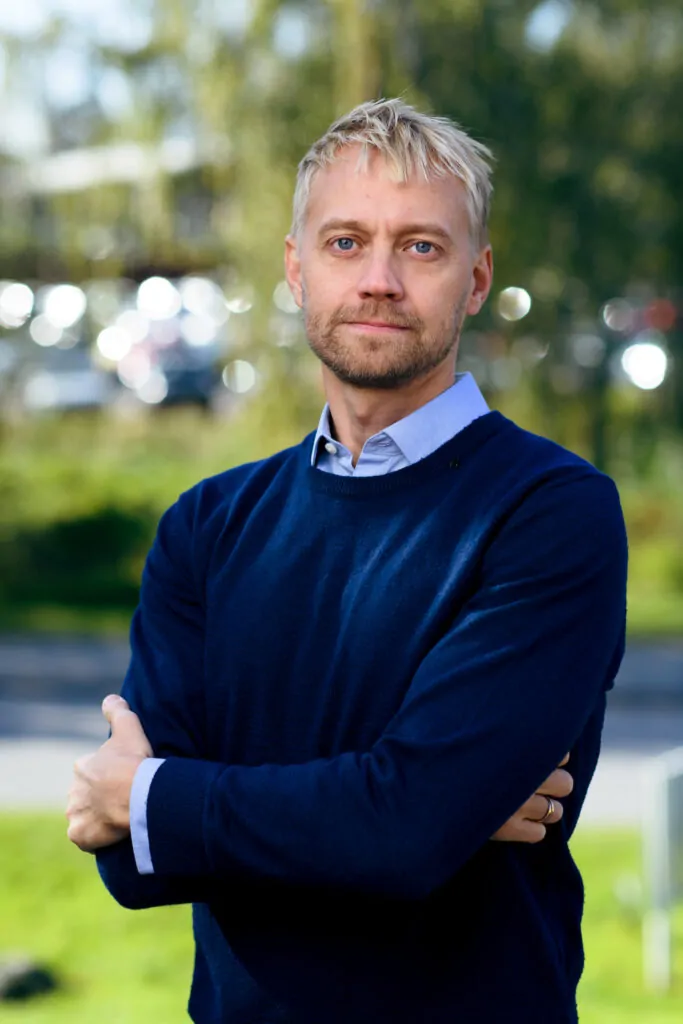
Henrik Juhlin, CEO of ZeroMission, thinks it is unfortunate that oil lobbyists are at the COP with the intention of interfering in negotiations.
Article 6 of the Paris Agreement
We at ZeroMission followed the negotiations for the regulated carbon market between countries, the so-called Article 6.2 and Article 6.4, very closely. Before the meeting, we hoped for clearer rules and examples of projects and transactions to show the way to this so important mechanism for achieving climate goals. One of the most important aspects we hoped would be decided is how to ensure the quality and climate benefit of the carbon credits used. But here too, despite many long discussions, no progress was made.
It is still not clear which credits will be allowed, who will approve them, and who will regulate trading. We are left to continue testing the waters with the incomplete framework agreed at COP29, which still contains gaps. The voluntary market has made great strides in recent years around quality and reliability - something we would have liked to see better used in the negotiations.
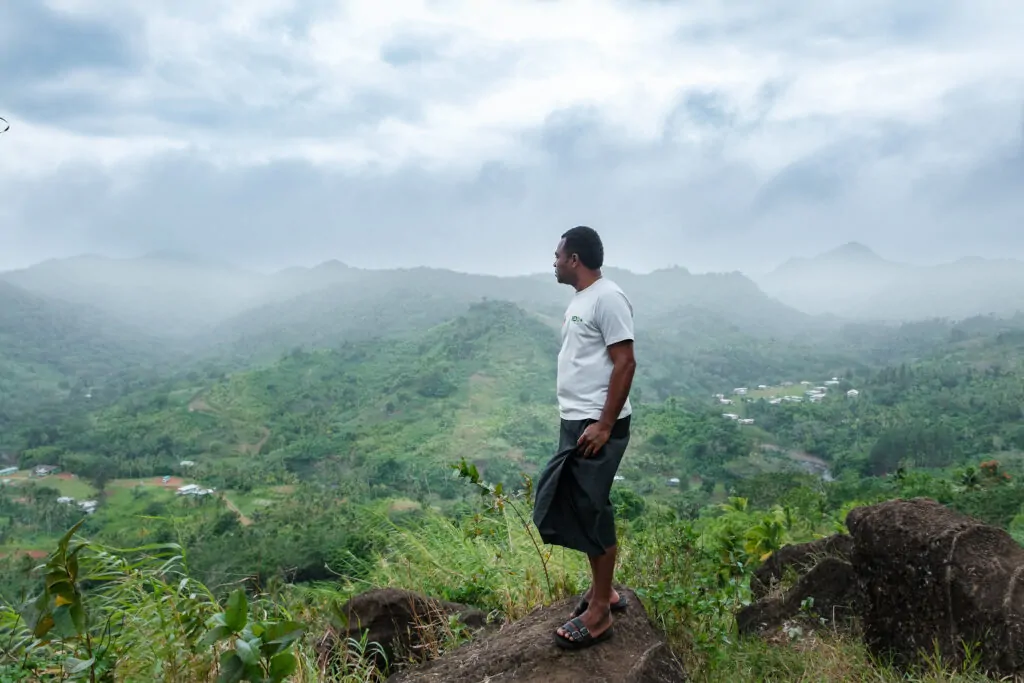
Ranger Jerry Lotawa at the Drawa project in Fiji, one of the climate projects ZeroMission is working on. Photo: Rob Rickman
Were there any bright spots during the climate summit?
Yes, we can still find some hope. Despite more oil lobbyists at the conference, it is still an important time and place where science, business and politics come together to discuss the climate crisis.
- Ahead of COP30, all countries were asked to submit their Nationally Determined Contributions (NDCs) on how to reach the climate goals. The majority of countries submitted their plans, which can be seen as a major achievement.
- It was decided to provide a large (tripled) support for poor countries' climate adaptation until 2035, which is of course positive and necessary.
- In the discussions, it was repeated again and again that we have solutions to the climate crisis, we know what needs to be done.
While a tripling of support for poor countries' climate adaptation is good, it shifts the focus from treating the already costly symptoms of the climate crisis to curing the disease. And the fact remains - it is those with much of the power and money who are deepest in oil dependency.
It is time to realize that the COP is not the way forward for global climate action. Something new is needed where those countries and companies that realize the seriousness and are willing to work without the influence of the oil countries take matters into their own hands. We cannot afford to wait for the oil countries' threats and nonsense without solutions, and the conditions exist to move forward without them. More people understand this and the President of COP30 was clear that separate roadmaps will be developed, which will include wording on phasing out fossil fuels and stopping deforestation.
Hope in the business world
In the weeks before COP30, I participated in a roundtable with the ICC - International Chamber of Commerce - on the theme of Sweden's interests and what Swedish companies would like to happen during the COP.
It was so incredibly inspiring to hear our climate ambassador Mattias Fumerie, who very clearly and lucidly emphasized that the hope of 1.5 degrees is not extinguished. The room was filled with companies such as Hexagon, Ericsson, Scania, H&M and others who all signed that Sweden must not back down on the climate ambitions we have. ALL were united in the understanding that what is good for the climate is also good for Sweden and our competitiveness in the world. Sweden has companies with products and services that can take us towards the climate goal.
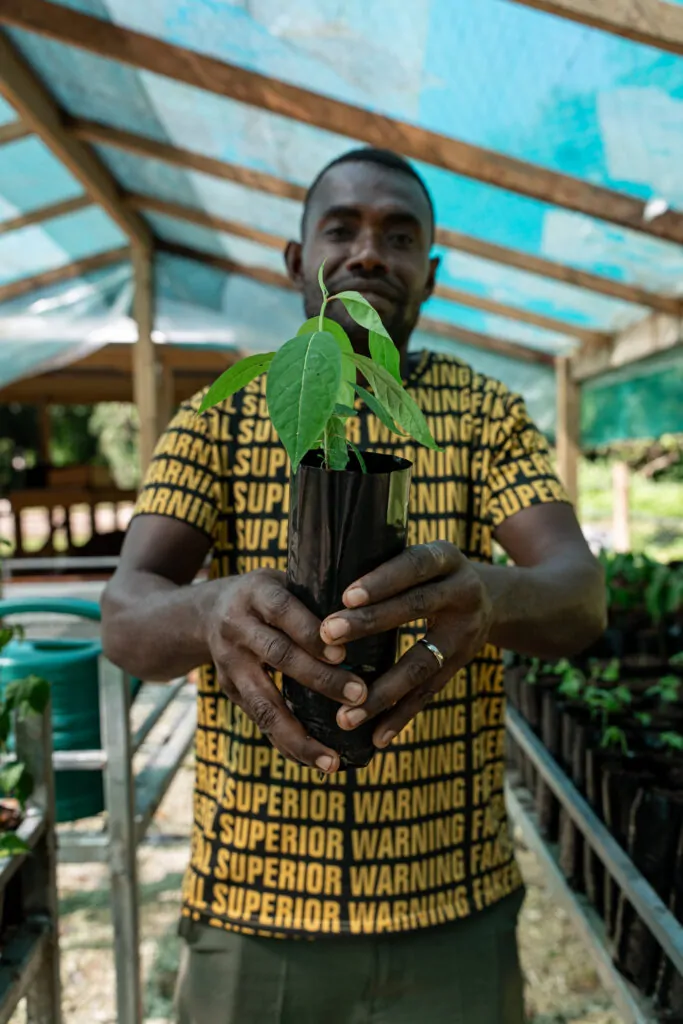
Riman Ser holding a cuttings that will be planted in the Loru project in Vanuatu. You can read more about the project here. Photo: Damian Mobbs
When you fly, fill up your car with gasoline or order cheap plastic toys online, you put money in the pockets of oil-producing countries. We need to understand our impact and how we can take back control of our future. Our dependence on fossil fuels must be phased out!
At ZeroMission , we can help you and your company with solutions that lead your company to savings, resilience and climate improvements.
Contact us to find out how.