The history of carbon offsetting
November 4, 2020
Carbon offsetting as we know it today has existed since the late 1980s. From a non-transparent trade between two parties, it has evolved into a mature market. Thanks to annual reports from Ecosystem Marketplace, ZeroMission is able to present a concise summary of the history of carbon offsetting.
The foundations of today's carbon offset system began as early as the last millennium. In the 1980s, trading started through some not very transparent deals between environmental organizations and companies with a strong interest in environmental issues. A decade later, two international agreements were signed that would have an impact on the future.
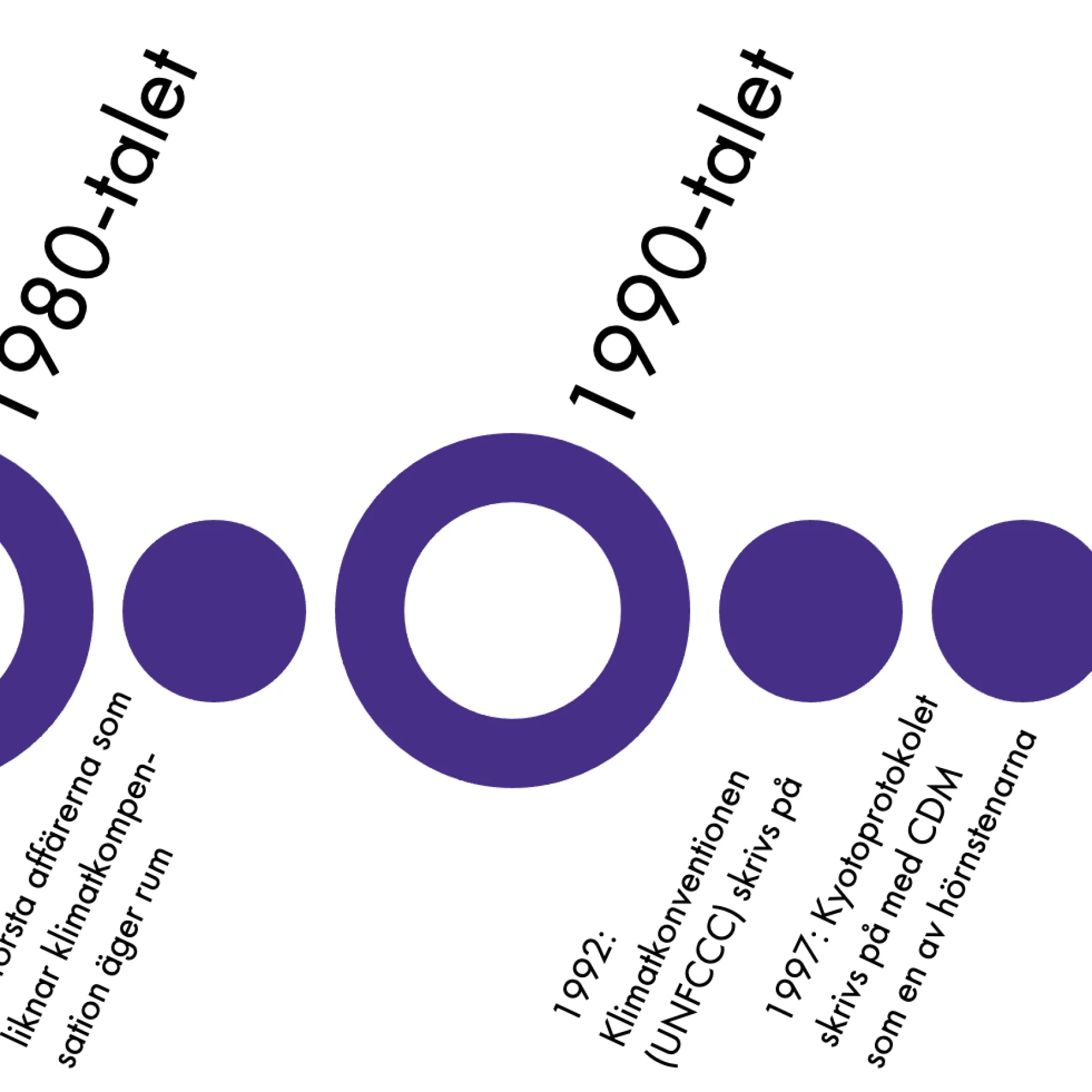
The History of Carbon Offsetting: A Timeline
The carbon offset market is growing
In 2003, when the United States withdrew from the Kyoto Protocol, the Chicago Climate Exchange (CCX) was established. It became the world's first large-scale platform for trading voluntary carbon offsets. Two years later, the EU launched its Emissions Trading Scheme (EU ETS). Following these two events, the market for voluntary offsets took off and in 2006, Ecosystem Marketplace began producing its annual report. Incidentally, that was the same year that ZeroMission was founded and became one of the 60 intermediaries.
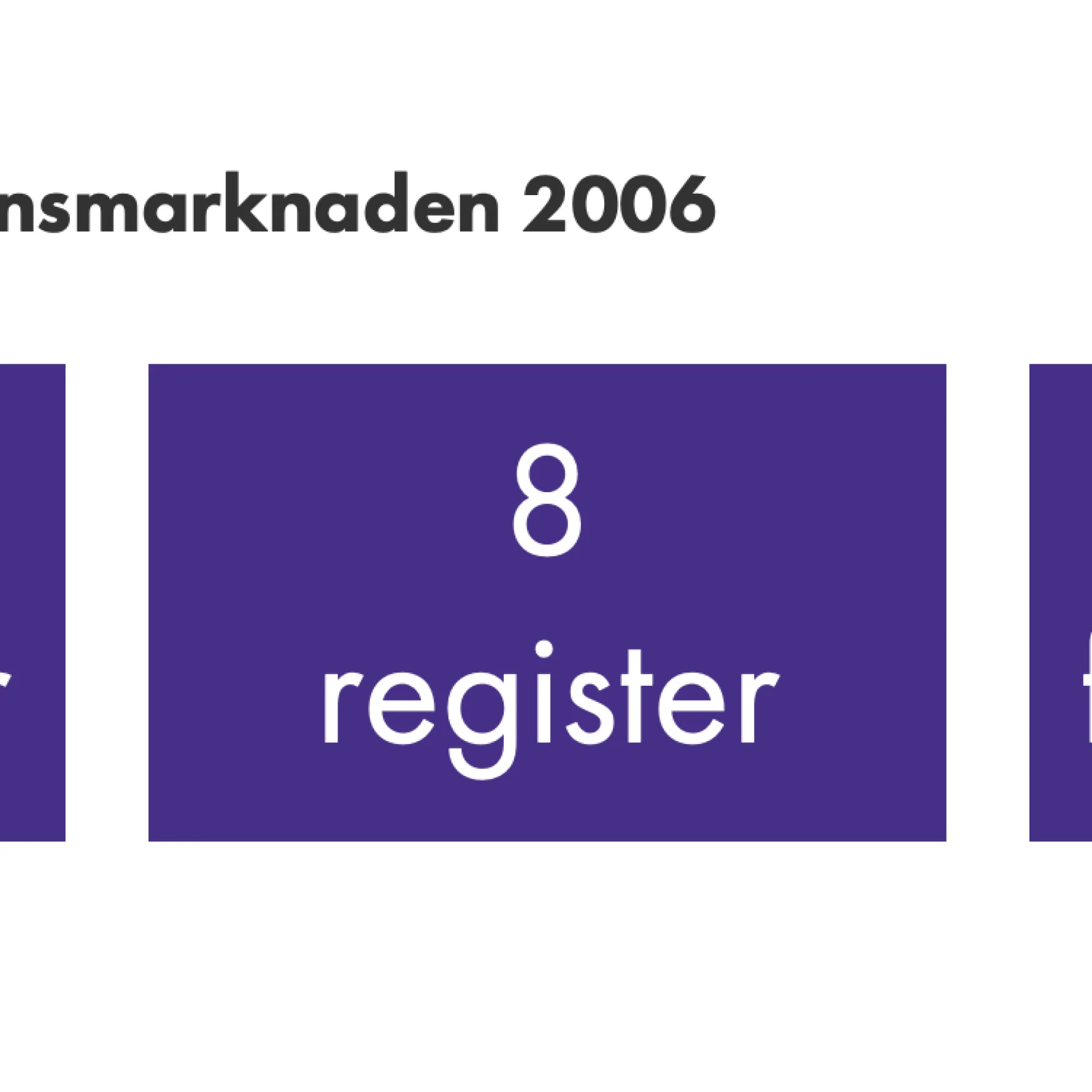
The market for carbon offsets
Carbon offsetting from 2006 onwards
When trading of offsets started, the United States was both the largest buyer and the largest supplier of voluntary offsets. One third of the credits were traded on the CCX, with the remainder traded on one of the other independent exchanges. Project types were evenly split between land use, renewable energy, and industrial gases. Eventually, efficient stoves were also launched as offsets. To bring order to the industry, ICROA developed a code of best practice.
In the 2010s, the market developed further. In particular, there has been an increase in interest in natural climate solutions, along with interest in projects that have a positive social impact. These are the types of projects that are in ZeroMission's portfolio.
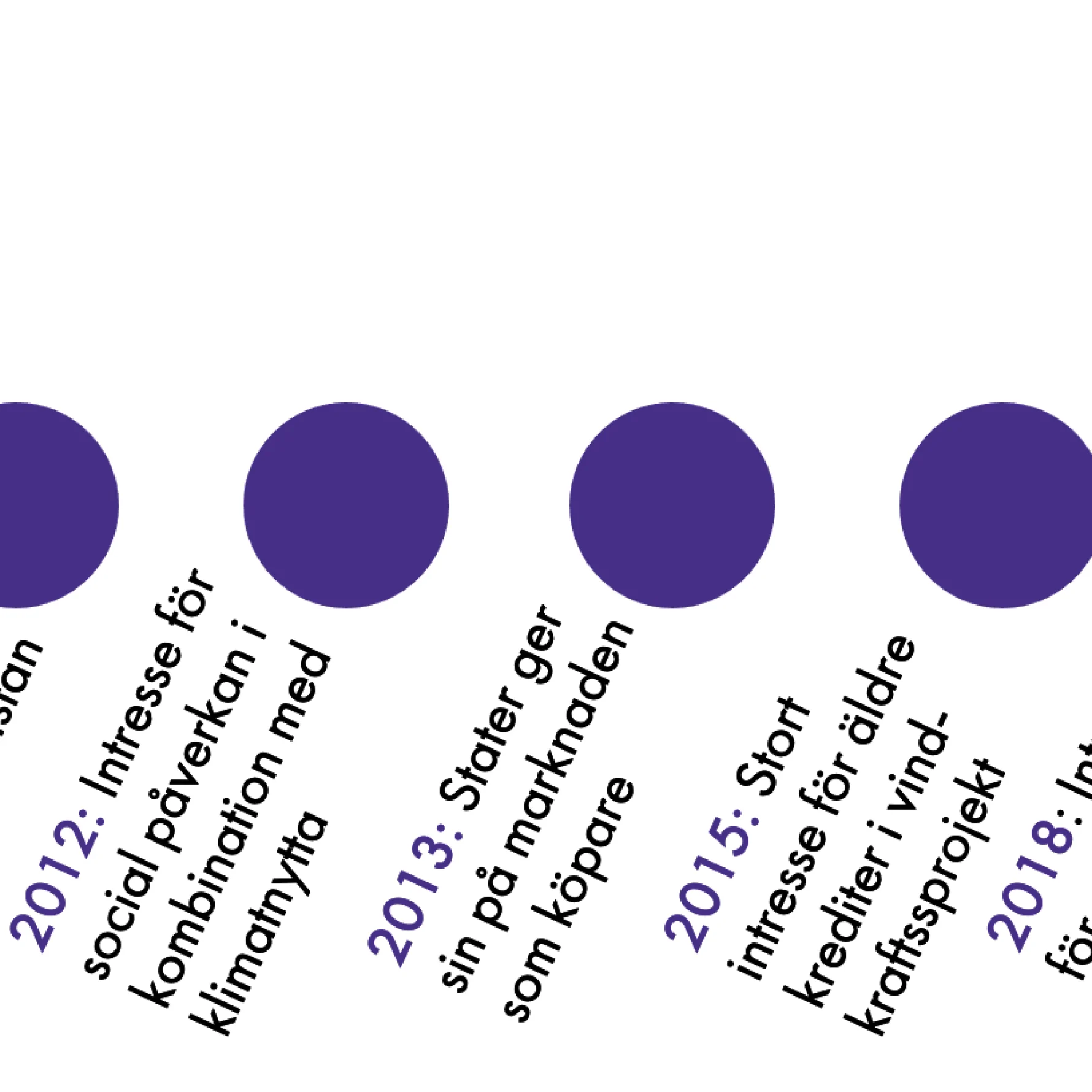
How the carbon offset market has changed
The volume of coal loans varies from year to year
The volume of carbon offsets sold has varied over the years. There have been new standards, financial crisis and varying interest for different reasons. The highest share of credits was sold in 2008. Before the coronavirus hit and became a global pandemic, there was a clear upward trend.
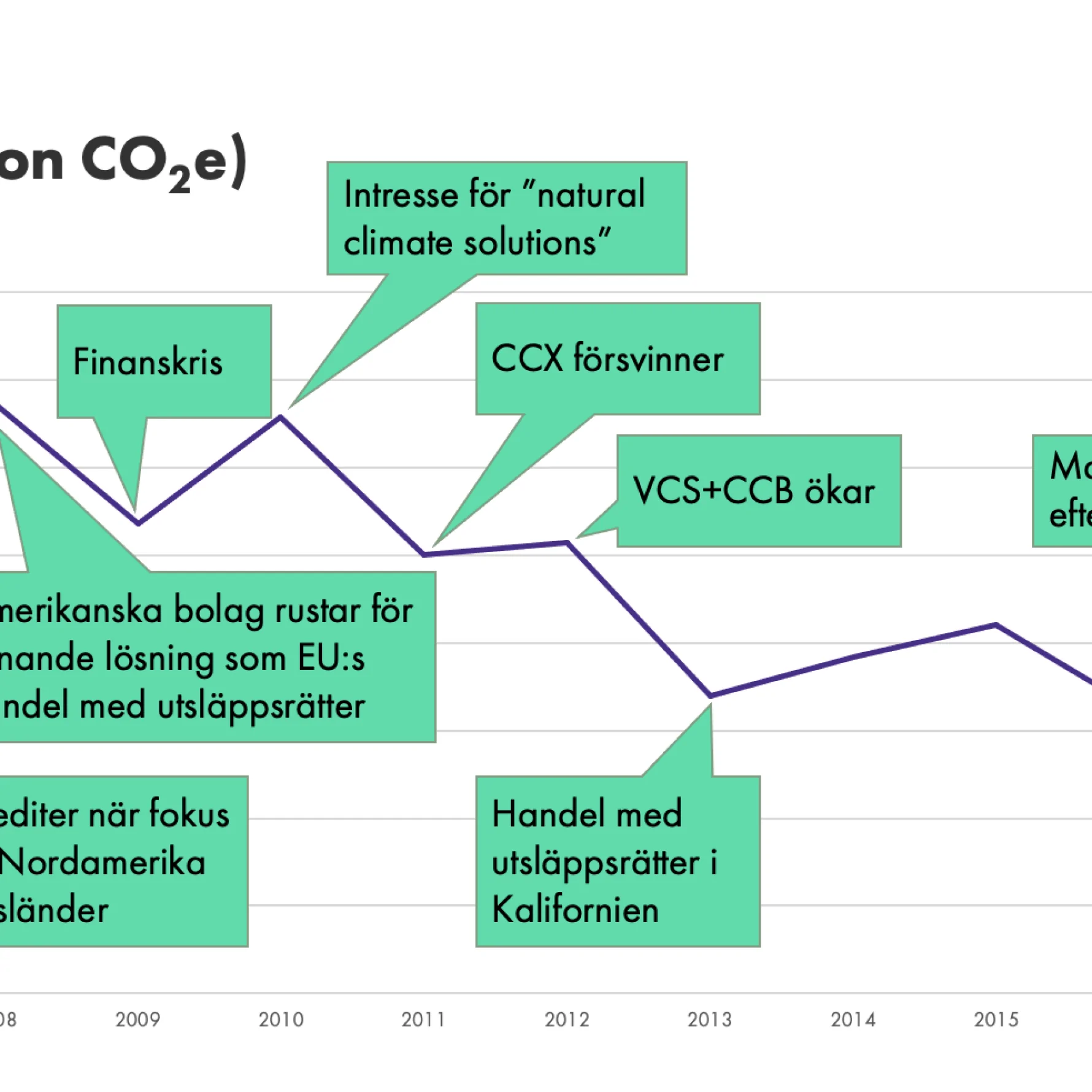
This is the total amount of carbon credits available, which varies over time
The Future of Carbon Offsetting
Now it remains to be seen how the market develops in the future. ZeroMission will continue to sell high-quality carbon offsets to customers who share the philosophy that carbon offsetting is one of several ways to reduce the climate impact of the business.
Note: Since 2024, ZeroMission—like many others in our industry—has started using the term carbon offsetting of “climate compensation.” We believe this term better describes what it’s all about. Read more here.
Glossary of terms
Read about words in the market here
-
CCB - Climate, Community & Biodiversity standard
Identifies projects that both highlight climate change, support the local community with its smallholders and conserve biodiversity. Often co-exists with the VCS and is managed by Verra since November 2014.
-
CCX - Chicago Climate Exchange
Developed as a pilot program for the United States in 2003 after it withdrew from the Kyoto Protocol. It became the world's first large-scale voluntary carbon offset trading platform.
-
CDM - Clean Development Mechanism
A global market for mandatory carbon offsets between countries.
-
EU ETS - EU emissions trading system
The EU Emissions Trading Scheme. A tool to reduce greenhouse gas emissions by allowing those who cannot reduce to buy allowances from those who do not use all theirs. The EU sets the cap on how much greenhouse gases can be emitted.
-
ICROA - International Carbon Reduction and Offset Alliance
ICROA is a non-profit organization consisting of a number of offset credit providers. Plan Vivo, the offset standard closest to ZeroMission heart, is outside ICROA.
-
The Kyoto Protocol
An international agreement to act on climate change.
-
REDD - Reducing Emissions from Deforestation and forest Degradation
Carbon offset projects that aim to preserve existing forests and thus prevent carbon emissions.
-
UNFCCC - United Nations Framework Convention on Climate Change
The United Nations Framework Convention on Climate Change (UNFCCC) was signed by almost all the countries of the world at the 1992 conference in Rio de Janeiro. Its objective is to "stabilize greenhouse gas concentrations in the atmosphere at a level that would prevent dangerous anthropogenic interference with the climate system".
-
VCS - Verified Carbon Standard
VCS originally stood for The Voluntary Carbon Standard, the carbon offset standard with the most certified projects in the world. The standard covers 15 different categories of projects, from energy to land use. ZeroMission has a few VCS certified projects in its portfolio.