Warning: Trying to access array offset on false in zeromission.php online 5
“Will the trees remain standing?” and other questions about Plan Vivo carbon offsets
November 21, 2019
A couple of weeks ago, ZeroMission organized a breakfast seminar on the theme "Carbon offsetting through tree planting? How it works!
The seminar was unique as we were invited by both our partner and project developer Taking Root and our customer Arvid Nordquist who, together with us at ZeroMission, represents three actors in the value chain for climate compensation through Plan Vivo. With the help of Kahlil Baker and Will Sheldon from Taking Root, we got to go behind the scenes of the CommuniTree Carbon Program project in Nicaragua - which Arvid Nordquist has been carbon offsetting since 2011.
Since the interest was great and the time was short, we chose to both film the presentations and ask all participants to send in the questions that could not be answered during the breakfast. Here we share both the video and Kahlil and Will's answers to some of the interesting questions that came up, both during and after the seminar. Enjoy!
Carbon credits certified by Plan Vivo climate benefits as well as social benefits for the smallholder farmers who participate
Carbon offsetting that yields positive side benefits
1. How do I know the trees won't be cut down later? How can we ensure the long-term carbon benefit?
We can never be sure that any solution will last forever. Fossil fuels left in the ground today can always be burnt tomorrow. Long-term carbon storage lies in people and the choices they make. Our approach, following Plan Vivo's community reforestation model, creates impacts for the long run because it is designed such that growing trees is more valuable than less sustainable alternatives.
The Plan Vivo model for natural climate solutions has a 25-year track record of success, longer than any other carbon standard. On a project-level, we spread organizations' investments over thousands of farms and we plant more than we sell so that we can guarantee that even if some individual farms fail, the overall program succeeds. Furthermore, all Plan Vivo carbon offsets are backed up through a risk buffer, like an insurance policy, that spreads risk across all projects across the world.
2. The contracts are written on 10 years, but the contract with the land lasts for 25. What do the smallholders say about that?
Asking why the payment horizon is shorter than the project horizon is a bit like asking why an investor expects the enterprises she invests in to last longer than the timeframe of her investments. If it didn't create long-term value, it wouldn't be worth the investment.
Our reforestation model invests in communities' own ambitions in ways that enrich people's livelihoods in the short, medium and long run. This is done by growing and protecting trees that create opportunities through forest-based enterprises that last at least 25 years. These investments include growing trees in agroforestry systems that produce goods that farmers can sell like coffee, fruit, timber, fuel, and tourism. But these require shorter term investments. This is why we provide capacity building and financial incentives for up to 10 years to catalyse longer term investments which create value for farmers.
It's important to keep in mind that the financial incentives that we provide only cover a portion of the costs. Farmers also invest their time, their land and sometimes even their own money because they believe in the benefits and value of what they are doing.
3. What happens when the monitor period ends?
Our contractual obligations for the Plan Vivo carbon standard lasts for 10 years but there is no end to our monitoring. For us, monitoring is how we take inventory of the forests that we grow, which is necessary to efficiently manage a successful smallholder forest enterprise. This is similar to how a coffee exporter keeps track of how much coffee they have to sell. For as long as they are in business, they monitor their inventory.
Thus, we monitor our farms on an ongoing basis. We do this through our technology platform, FARM-TRACE, which combines mobile phone observations from field visits with satellite imagery and machine learning, automating monitoring across all our farms and ensuring the long-term impacts of the project.
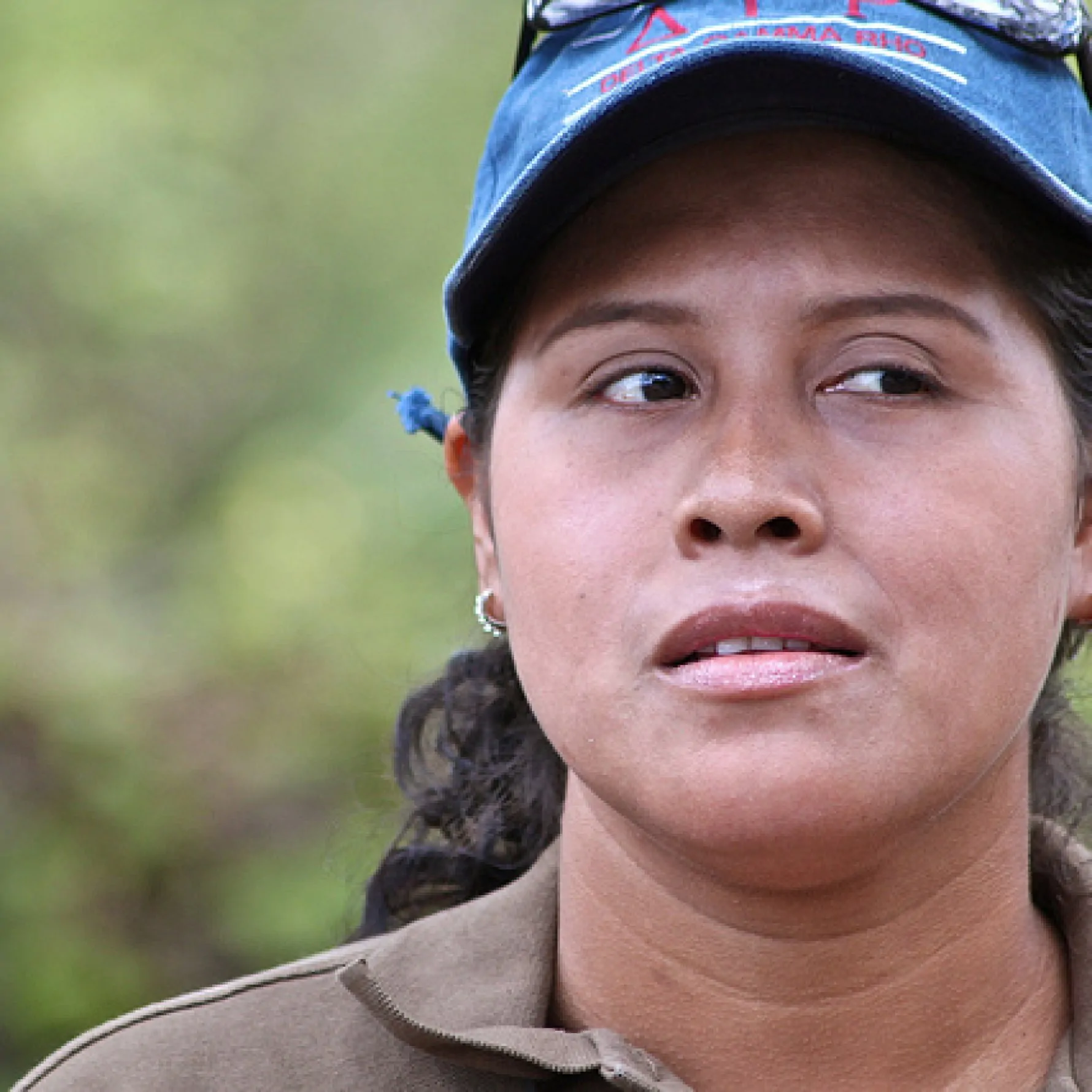
Elsa is one of the local employees of Taking Root and is an important part of the project's monitoring and development in Nicaragua.
4. It takes time for the trees to sequester carbon, can you really claim that you have offset your emissions now?
Offsetting your emissions through Plan Vivo means that you have made a commitment to reducing your emissions while funding carbon negative technologies. It may take time for trees to grow, but it is much better to have the guarantee that you are directly funding long-term carbon sequestration as opposed to paying for something that was already there (i.e. it likely would have happened without your investment in carbon offsets). As the proverb goes: the best time to plant a tree was twenty years ago. The second-best time is now. Remember, we cannot tackle climate change just by polluting less. We also need to take carbon out of the air. Growing trees is the best proven technology available to us.
It is also worth highlighting that many of the impacts of the project are felt immediately beyond the trees themselves and the carbon sequestered, for example through seed gathering and tree planting which creates thousands of local jobs in the community and through the additional income provided to farmers.
5. what do the farmers / landowners get from the Plan Vivo projects (education, money)? How long do they get it?
Plan Vivo projects are long-term investments into thousands of farmers small forest enterprises through the sale of marketable crops like wood and coffee that creates ongoing value for them, their families, and their communities. Beyond the added revenue, these forest-based enterprises are much more resilient to the effects of climate change. Not only do the trees provide a new and diversified source of income to existing farming activities, they are also much more resistant to floods and droughts caused by climate change. This means that if crops fail, the trees continue to provide value. The trees also provide local climate benefits to the farm including crop protection from extreme weather in the form of water retention, shade and the prevention of soil erosion.
The shorter-term investments that we provide to farmers include a combination of financial payments, training, materials and market access to help them succeed. Let's break this down.
Financial payments: As a Plan Vivo project, we give at least 60% of the revenue received from carbon credits directly into the hands of farmers. This is provided in the form of outcome-based payments over ten years. For example, farmers receive a payment once they have planted their trees.
Training: We provide workshops and one-on-one education for farmers through our technical team in Nicaragua. This includes advice on what forestry system to use and how to manage the trees as they grow to create a healthy forest.
Materials: We create local tree nurseries to provide farmers with different varieties of indigenous tree species ready for them to plant and whatever materials they need to succeed. Sometimes this is fencing to keep the cattle out and sometimes these are tools needed to work more effectively.
Market access: We ensure the forests provide additional income and create sustainable livelihoods for farmers by creating forest enterprises. This includes helping farmers sell firewood locally, creating high value woodcrafts from forest thinnings and helping farmers sell their forest crops such as coffee.
One of the reasons we are a Plan Vivo project is because of its focus on community benefits and ensuring projects are built around the needs of the people who own, live and work on the land.
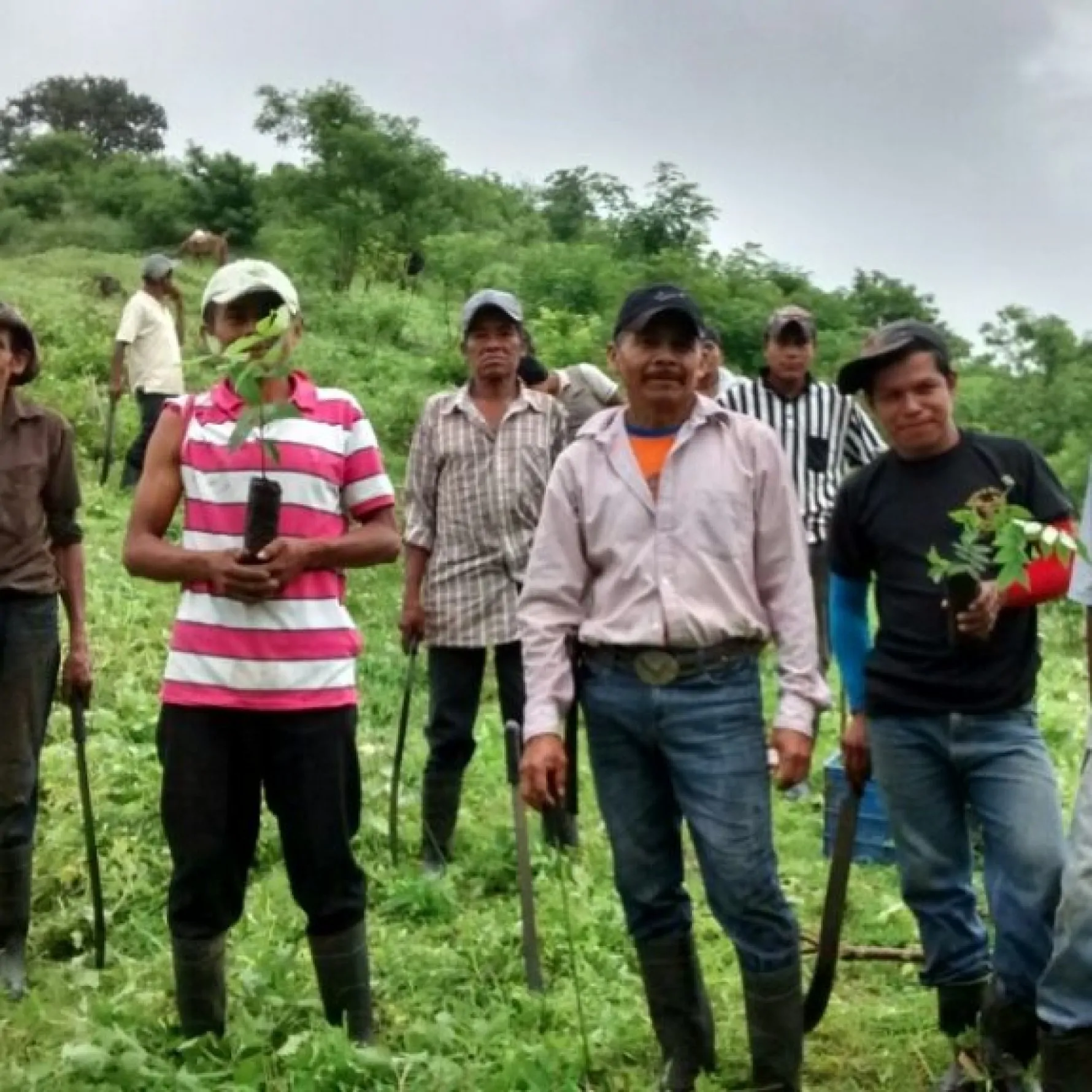
This picture was taken when the project reached a milestone of planting 1 million trees!
6 Can you offset black carbon with green carbon? What is your view?
Absolutely not. A carbon offset is not equivalent to polluting less. It is a commitment to reducing emissions within your own supply chain while funding natural climate solutions that remove carbon out of the air. We need to stop emitting black carbon and increase green carbon.
7 Is it just that "we" in the rich part of the world take up "their" (poor peoples') natural resources and land for many years in order to offset our emissions?
Climate change is almost entirely caused by industrialized countries but impacts the world's most vulnerable communities the most. We have a responsibility to help these communities build resilience to climate change. For the farmers we work with, trees are not a burden but a way to improve their wellbeing. It just so happens those same trees are also a solution for climate change.
Plan Vivo projects are directly aligned with communities' own long-term development plans that improve livelihoods. Rather than placing a burden on the poor, you are helping people fulfill their own ambitions.
8. What are your major challenges as a project developer?
Our biggest challenge is matching companies' demand for emission reductions and farmers supply of emission reductions. As an organization with integrity and as a requirement of the Plan Vivo standard, we cannot promise funding to farmers without already having commitments from buyers. This means that we need to go to a lot of different communities and say "hey, who wants to reforest some of their land conditional on funding being available". Then once funding is confirmed, we can officially bring all the farmers on board. It's a balancing act on both sides.
We are now trying to work towards longer term commitments from organizations so that we can have a longer planning horizon.
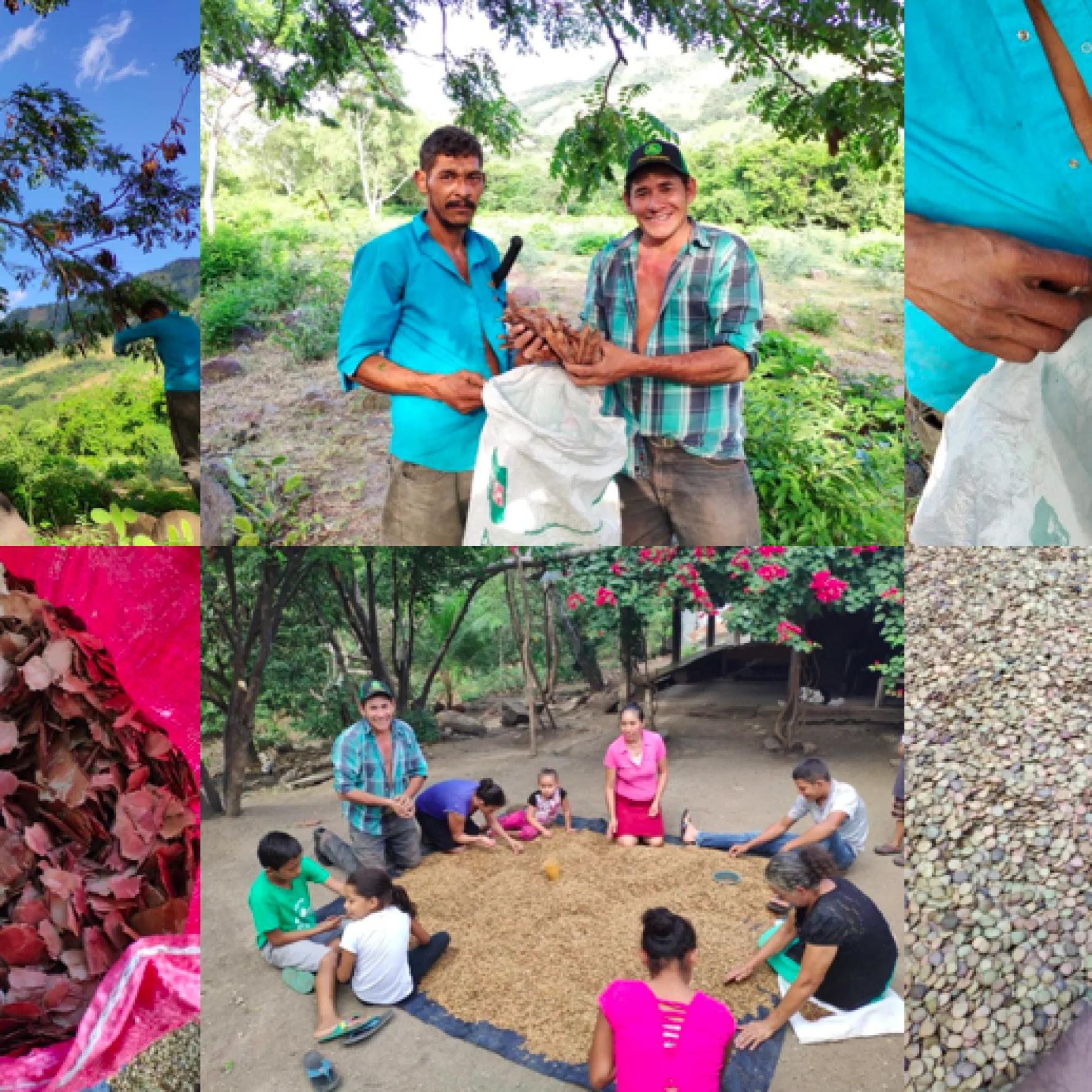
Carbon offsetting provides both socioeconomic benefits and climate benefits
Carbon Offsetting with Many Benefits
Collecting seeds for MAX's upcoming tree planting in Nicaragua that will generate credits in 2020. Pictures taken 25 Nov 2018 and has since grown!
Many thanks to all of you who asked questions and to Kahlil Baker and Will Sheldon who took the time to answer!
Note: Since 2024, ZeroMission—like many others in our industry—has started using the term carbon offsetting of “climate compensation.” We believe this term better describes what it’s all about. Read more here.