Mangroves - carbon sequestration with positive ripple effects
April 19, 2021
Despite their great potential as an important carbon sink, mangrove forests are under threat around the world as coastal strips are exploited and the trees cut down for firewood and fuel. ZeroMission is working on two projects to conserve and replant mangrove forests in southern Kenya, and in our seminar last week we had the opportunity to dig deep into the mud to find out more about these strange aquatic forests.
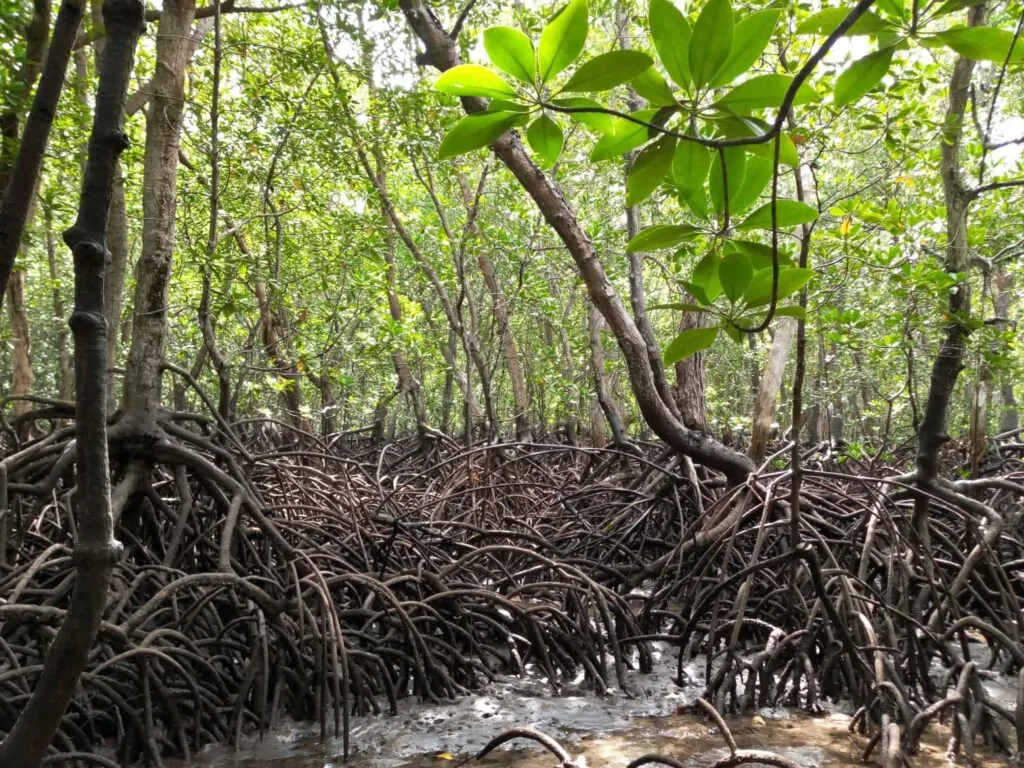
Unlike terrestrial trees, mangroves stand with their feet in water and deep mud. To maximize carbon sequestration, it is an optimal solution because the leaves and branches of the trees are embedded in the sediments of the seabed as they fall. A leaf on the ground releases carbon dioxide. But a leaf from the mangrove trees is instead embedded in the seabed and the carbon dioxide is therefore not released. Once underground, the carbon is stored permanently. According to Professor Mark Huxham of Edinburgh Napier University, who works on the mangrove projects, mangrove forests make up only 0.76% of the total mass of trees on Earth, but they store as much as 30% of all the carbon sequestered. There is over 50 times more carbon per hectare in mangrove forests compared to normal rainforests.
In addition to being optimal carbon sinks, mangrove forests also provide shelter and are known to be nurseries for hundreds of fish, reptiles and mammals. But mangroves also have another important role to play. They act as a natural barrier between the sea and villages near the coast, protecting them from sea level rise and flooding. Mangrove forests have the ability to develop new roots higher up the trunk when water levels rise, making them a self-adjusting mechanism to protect the coast.
In ZeroMission's two mangrove projects in Kenya, Mikoko Pamoja and Vanga blue Forest, thousands of trees are planted every year while preserving existing mangrove forests. Although it is illegal to cut down mangrove trees in Kenya, illegal deforestation does occur. The projects have therefore played a crucial role in ensuring that mangroves remain standing. To ensure that the need for wood for firewood and building materials is met, the projects plant other trees that can be used for these purposes.
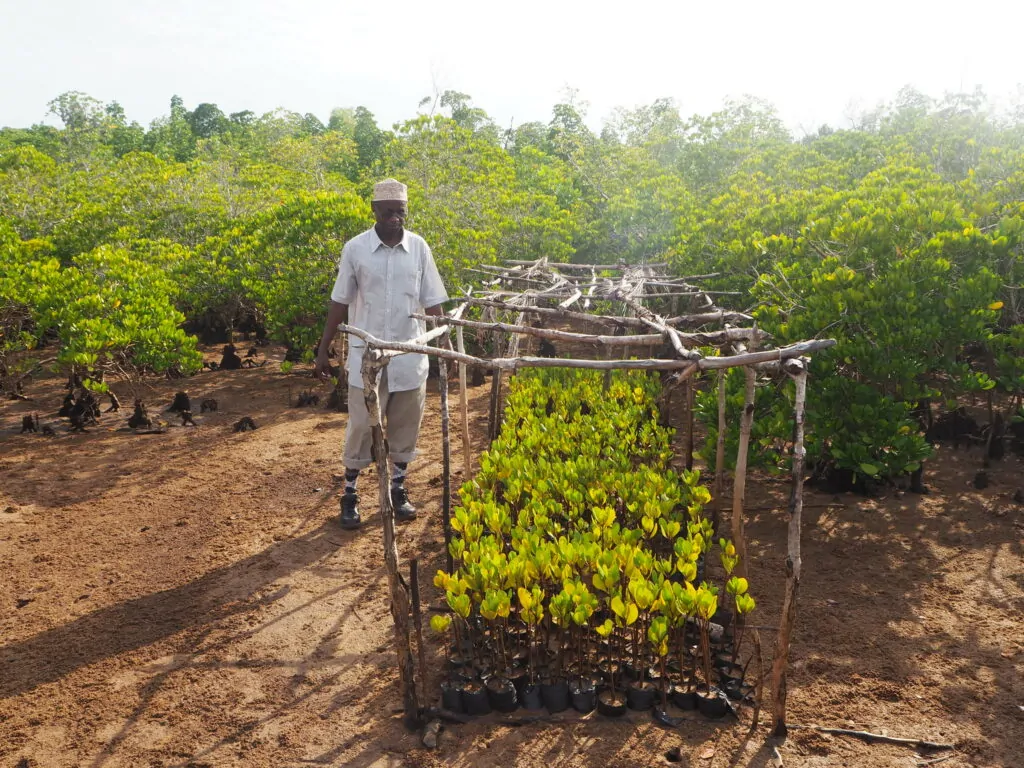
Mangrove seedlings ready to be planted in the mud.
The proceeds from the sale of carbon offset credits not only enable the protection and reforestation of mangrove forests. It also helps strengthen communities and create local jobs.
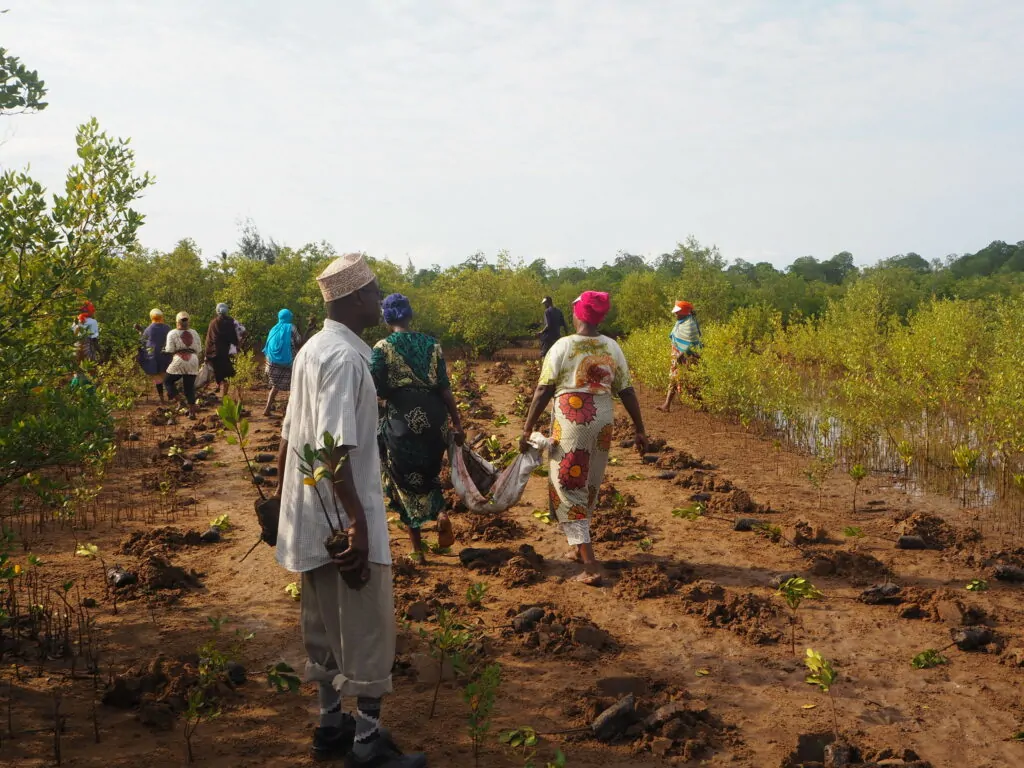
Time to plant.
Watch the recorded seminar on our website and feel free to read an article in Dagens Nyheter about mangrove forests.