Chef Magazine – Sustainable Leadership Driving the Green Transition
Chef magazine is Sweden’s largest leadership magazine. Every month, the magazine reaches over 110,000 readers across the country, with the primary aim of empowering managers in their leadership roles. But producing and distributing a print magazine naturally has an impact on the climate.
To address this issue, the magazine Chef is funding climate projects focused on nature-based climate solutions. We spoke with Editor-in-Chief Calle Fleur to learn more.

Calle Fleur, editor-in-chief of Chef magazine and CEO of Chefakademin.
What led you to start providing carbon offset?
Partly because sustainability is important to our group—we are owned by the management association Ledarna, which takes a very proactive approach to sustainability. But above all, because we are working to develop leadership in Sweden, sustainability is a natural next step. Managers bear a great deal of responsibility, as it is often up to them to drive the green transition forward.
For many years, Chef magazine has been a driving force in issues related to sustainability from a broader perspective—not least social sustainability. Since we, as a magazine, help shape how managers think and act, we must also reduce our own carbon footprint. We must practice what we preach; it’s a matter of credibility. That’s why we actively seek ways to reduce the magazine’s environmental impact.
Can you give an example of measures that have had a significant impact?
One decision that has had a significant impact is that we chose to relocate our printing operations to Sweden in order to reduce our carbon footprint. We have long used Eco-certified and FSC-/Svanen-labeled paper, but that only indicates that the paper itself is sustainably produced. By bringing production back home, we optimize transportation and thereby reduce the climate impact of distribution.
We also partner with a printing company in Katrineholm, which in turn engages in carbon offsetting, and we are actively working with our transport providers to further reduce our environmental impact. For example, by requiring fossil-free transportation.
Despite all this, we don’t quite make it all the way; there is still a carbon footprint associated with the delivery of the newspaper. It is to offset this footprint that we purchase the corresponding amount of carbon credits.
A print newspaper always has a negative impact on the climate, but we also know that our product empowers Swedish managers. Our vision, which we share with our owner Ledarna, is that everyone should have a good manager. Good managers take the climate transition seriously—that’s why the newspaper is needed. If we can also work to minimize our environmental impact, that feels even better.
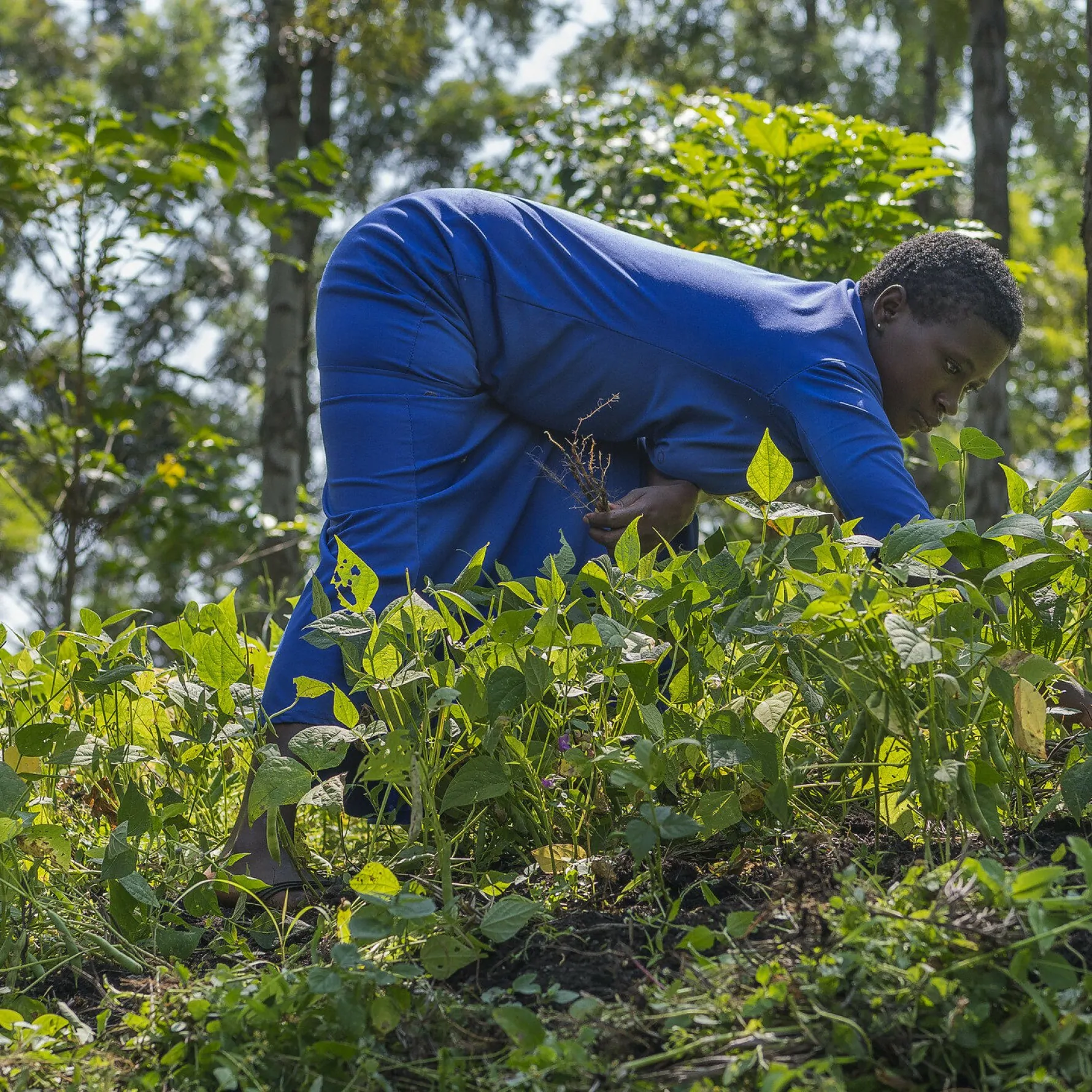
"Cutting down trees to produce paper is, of course, a rather age-old idea, and books and newspapers are still around because we humans clearly have a great need for them. That’s why it feels good to support a project that plants trees," says Calle Fleur, editor-in-chief of Chef magazine.
What benefits does carbon offset provide?
This has led to a sense of pride within the company, to say the least. In surveys where we gauge employees’ perceptions of their work situation, we have seen that enthusiasm for issues such as the environment and sustainability has grown since we actively put sustainability efforts on the agenda.
As mentioned, there is also an aspect of reassurance and credibility to this. If a reader asks how we manage the magazine’s environmental impact, we can point to our efforts to reduce our carbon footprint, in partnership with ZeroMission a trusted organization.
What advice would you give to other players in the media industry who want to start climate-financing?
The magazine industry has long faced tough economic times, with many publishers forced to make significant cost-cutting measures. There is a widespread perception that sustainability and climate initiatives are expensive. But the fact is that we have actually achieved cost savings through our efforts to move toward net-zero, by putting suppliers out to bid and setting clear requirements.
Simply by discussing the issue with suppliers, you can often make significant progress. I feel that there’s a perception that sustainability can’t be reconciled with business, but in our case, it’s actually been quite the opposite.
I also want to convey the message that working with sustainability is fun! My advice to others is to enlist the help of a trusted partner to assist with analysis and follow-up over time. It’s rewarding to track the results of our work, and once the ball gets rolling, it creates a snowball effect that just keeps gaining momentum on its own.
How did you choose the Trees for Global Benefit climate project for your carbon offsetting?
Cutting down trees to make paper is, of course, a pretty ancient idea, and books and newspapers are still around because we humans clearly have a great need for them. That’s why it feels good to support a project that plants trees. There’s a sense of circularity to it that I like.