Sustainable pastures in Mongolia – a nature-based climate solution
April 24, 2026
Climate change affects both people and ecosystems. At the same time, there are solutions that not only reduce emissions but also strengthen nature’s own ability to sequester carbon. One example of this is the Pastures, Conservation and Climate Action (PCCA) climate project in Mongolia.
Nature-based climate solutions – climate projects
The project focuses on improving the use of grazing lands through more sustainable management. As grazing pressure decreases and animal movement patterns are planned more effectively, the landscape is given the opportunity to recover, which in turn increases carbon storage in the soil. This recovery also helps strengthen biodiversity, as evidenced by increased sightings of wild species such as argali (Mongolian goat), ibex, and gazelles in the project areas.
Verified climate solutions with measurable results through Plan Vivo
PCCA is a so-called ex-post project, which means that carbon credits are only issued after actual results have been achieved. Since its launch in 2015, the project has generated over 180,000 tons of carbon credits, and in the past year alone, over 21,000 tons of CO₂ were issued. The impacts build up gradually over time, making the project long-term in nature. The project is certified by Plan Vivo — a standard that has existed in the voluntary market for the purchase of carbon credits since 1997.
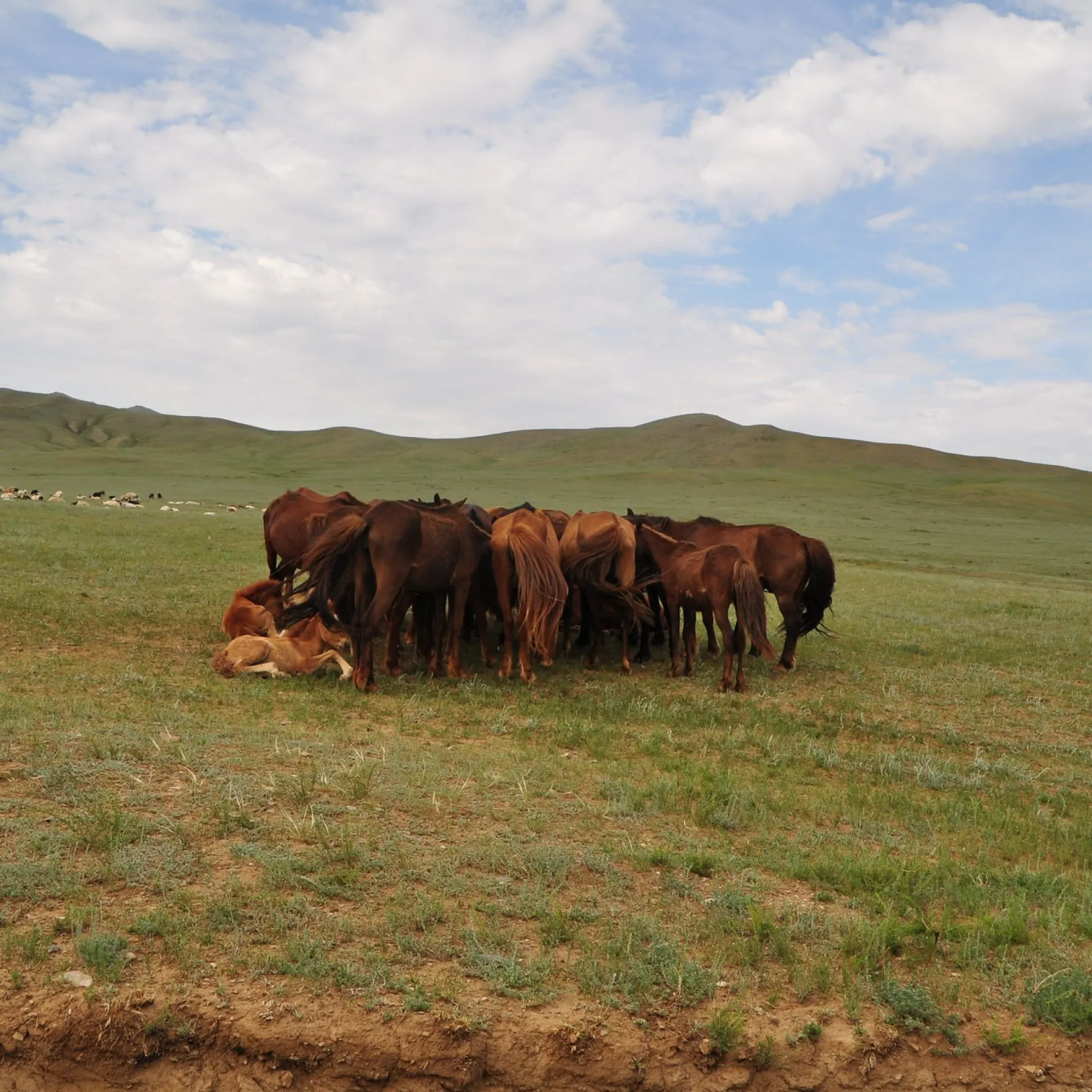
When grazing pressure decreases and the animals’ movement patterns are planned more effectively, the landscape has the opportunity to recover, which in turn increases carbon storage in the soil. An example of effective nature-based climate solutions.
carbon offsetting climate solutions that strengthen local communities
The project is being carried out in collaboration with nomadic herding households in Mongolia who depend on livestock for their livelihoods. These communities are particularly vulnerable to changes in climate and the environment. At the same time, the increase in livestock numbers over the past few decades has led to increased pressure on the land and deteriorating soil health.
The project therefore aims to strike a balance between ecological sustainability and economic security. Through training, financial incentives, and support for alternative sources of income, participants are encouraged to reduce their livestock numbers and instead focus on quality and diversified livelihood options. A large portion of the revenue from carbon credits—approximately 70 percent—goes directly to the participating households.
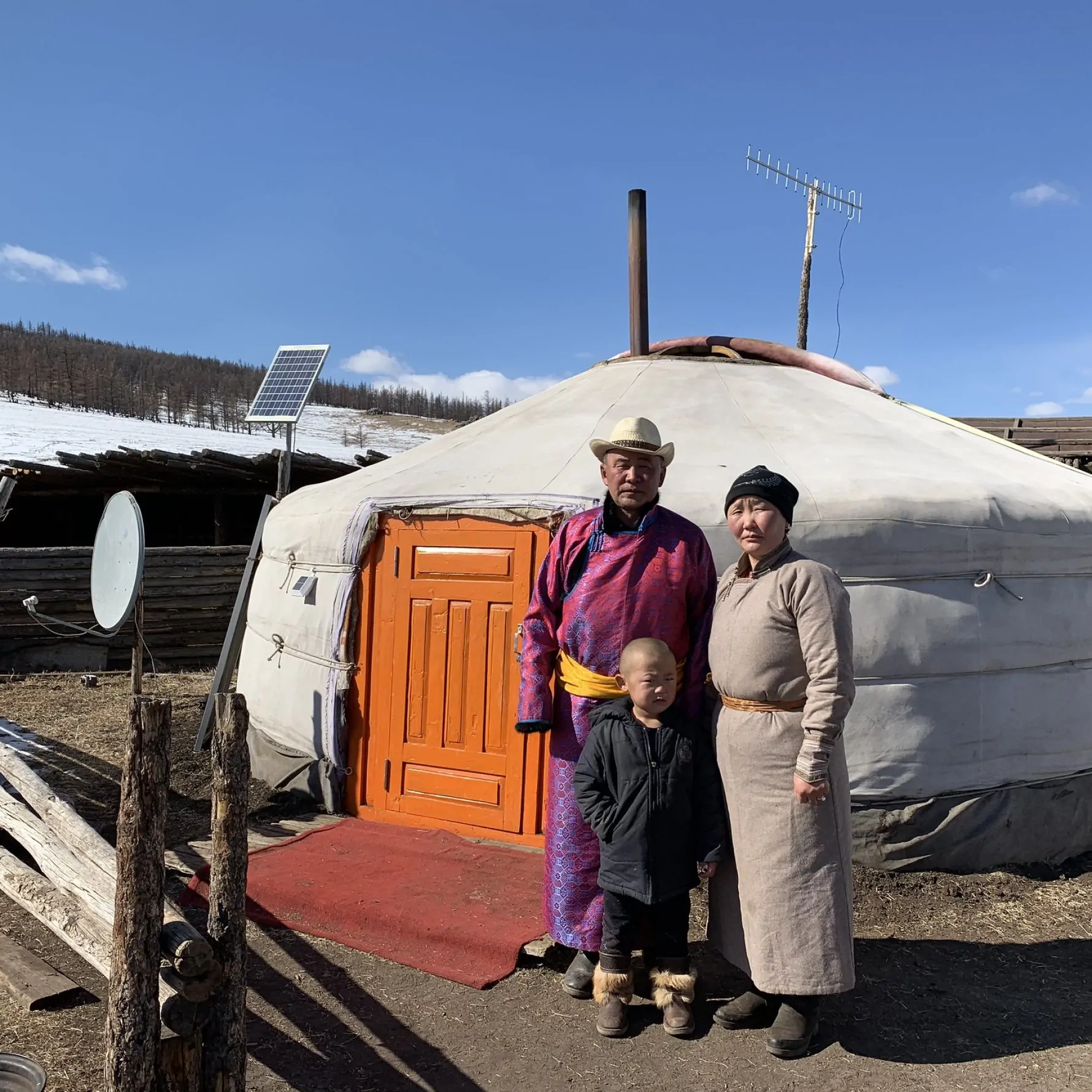
Climate projects that benefit local communities, nature, and the climate—a central aspect of all Plan Vivo climate projects.
ZeroMission nature-based solutions for a sustainable climate
In summary, the PCCA demonstrates how nature-based solutions can help address climate challenges while strengthening local communities and promoting biodiversity.
Please contact us if you would like to learn more about the project.