Climate compensation

Why ZeroMission the term "climate compensation" with " carbon offsetting"

Here is the term that has replaced "carbon offsetting"

For a long time, saying that a company “offsets its emissions” was a popular phrase in corporate sustainability communications. Since 2024, ZeroMission—like other players in our industry—has instead begun referring to the practice as carbon offsetting a term we feel better describes what it’s actually about.

Why is the term "carbon offset" disappearing?

The shift away from the term “carbon offsetting” is partly due to upcoming EU regulations governing what companies are allowed to claim under green labeling. But over the years, the term “climate compensation” has also taken on negative connotations, as it is sometimes associated with “buying one’s way out” of actually addressing one’s climate impact.

The term “climate compensation” has also never been a perfect translation of the English “carbon offsetting.” carbon offsetting a better term in that context as well.

Criticism of climate compensation has grown over the years as reviews have questioned the actual impact of several large climate projects—especially those lacking a social focus, and which typically cost just a few dollars per carbon credit.
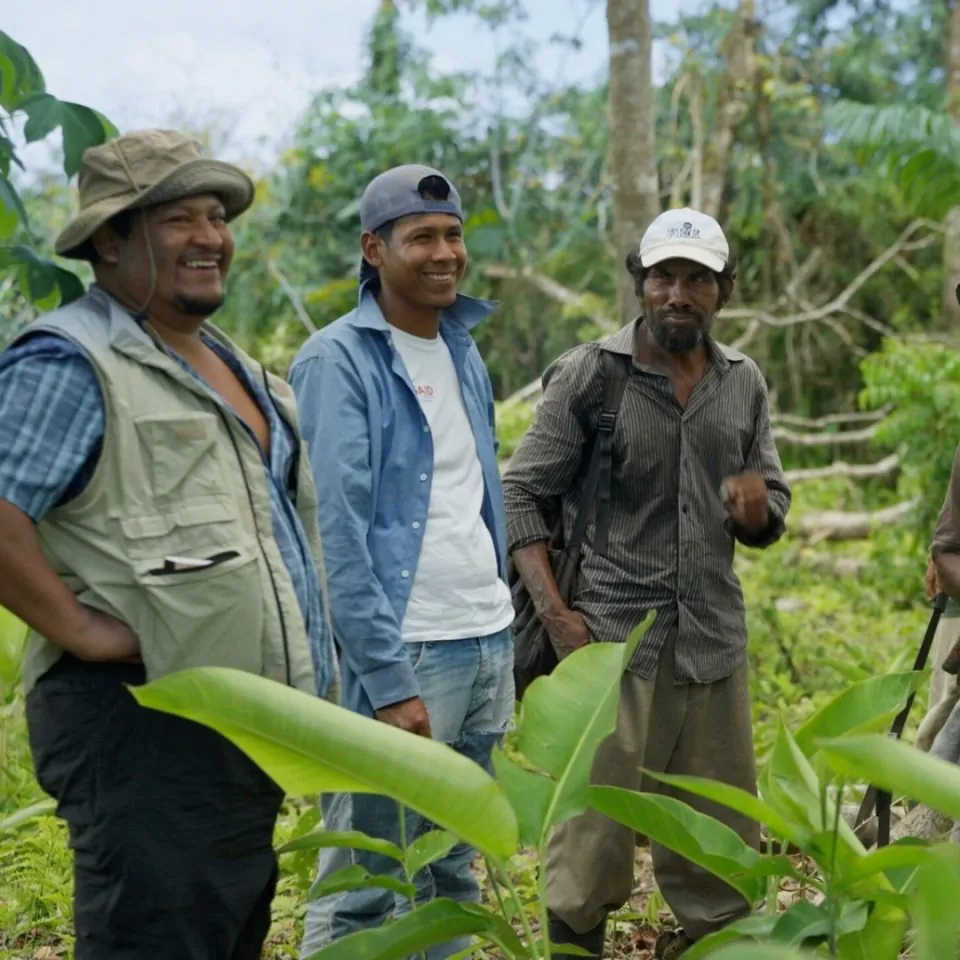
A group of men standing in tall grass and laughing in Honduras.

Why has carbon offsetting been criticized?

Our view is that critics of carbon offsetting fail to recognize that the meaning of the concept has actually evolved over time. Today, no sustainability manager believes that purchasing carbon credits alone absolves them of responsibility for their own emissions. There are also reports showing that those who purchase carbon credits are also working more actively to reduce their own emissions. To condemn the entire voluntary market for carbon credits based on low-cost options is like condemning the entire apparel industry based on what the cheapest fast-fashion retailers produce. There are serious, long-term sustainable, and high-quality alternatives—which are, in fact, absolutely essential. Just as with most other products, the cheaper and more price-driven the carbon credits you buy, the greater the risk that the climate benefits will not materialize.

carbon offsetting a clearer concept

At ZeroMission, we are now talking about our customers financing various types of climate projects—initiatives that provide added value for the climate, while also placing biodiversity and the socioeconomic situation of smallholder farmers at the center.

The shift in terminology reflects a broader strategic shift: carbon credits are not a free pass, but rather part of a package where calculating and reducing one’s own emissions always comes first.

A man walking through tall grass in Honduras, Paskaia.

What is carbon offsetting?

The UN Intergovernmental Panel on Climate Change (IPCC) is clear: climate goals cannot be achieved through reduced emissions alone. We also need to actively remove carbon dioxide from the atmosphere. That is why climate compensation—known today as carbon offsetting—is an important tool for companies, organizations, and governments to achieve their climate goals. A simple comparison makes it clear: imagine that carbon dioxide—just like plastic, paper, or metal—is a form of waste that ends up in the atmosphere. Supporting climate projects through carbon offsetting a way to manage this waste instead of letting it remain in the atmosphere.

Quality is the key to successful carbon offsetting

We primarily work with carbon credits certified under Plan Vivo, which is based on a robust buffer system. In tree-planting projects, for example, more trees are planted than are sold as credits, creating a buffer stock to address unforeseen events such as forest fires or drought.
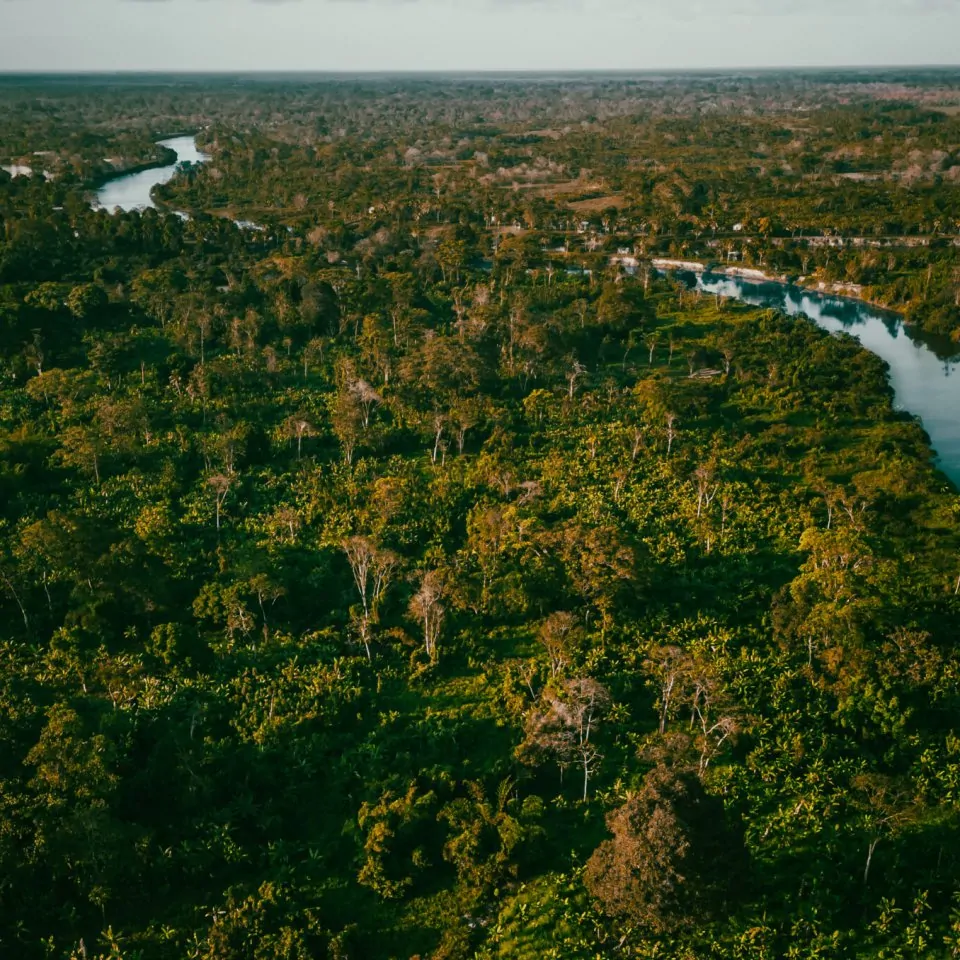
View of the forest and river from the Paskaia project

carbon offsetting many benefits

Another aspect that is increasingly being highlighted is the so-called co-benefits of these projects—the social and ecological benefits that come with high-quality projects. In addition to sequestering carbon dioxide, they can help strengthen local communities, protect biodiversity, and improve living conditions. When projects are done right, the benefits are threefold: the climate, the environment, and people all benefit at the same time.

We help you pick up the pace

Contact us for an informal meeting on how to calculate, reduce or take responsibility for your emissions through the purchase of carbon credits.

Latest News

Sign up for our newsletter.

Cookie settings
zeromission logo

We use cookies to give you the best possible user experience.

Necessary cookies

Necessary cookies are mainly used to ensure that the website functions as intended, both technically and visually. As these cookies are strictly necessary for the website to function, you cannot refuse them without affecting the functioning of the website.

Third party cookies

Our website may use third-party cookies from external service providers to improve functionality and analyze traffic. These cookies collect information to help us understand how the website is used. These cookies are set by third parties and may be used to track your activity across multiple websites.