Reduce your organization’s environmental impact – here’s how
April 8, 2026
After a grueling period of intensive climate calculations, many companies have completed their sustainability reports. As a sustainability manager, how can you take your work to the next level? A first step is to calculate your impact, but the focus of your work must still be on reducing emissions. So where do you start? In this article, we’ll give you some tips to help you along the way.
1. Measure your climate impact according to the Greenhouse Gas Protocol
Before we look at reducing emissions, it’s helpful to analyze your most recent calculation to identify areas for improvement and refinement. Make sure you’ve included as many relevant categories as possible across the Greenhouse Gas Protocol’s three scopes, and strive to avoid assumptions and generalizations as much as possible. Only once you have actual data can you establish a credible reduction plan.
2. Set climate goals in line with scientific evidence
To develop an effective plan for reducing your emissions, you should set climate targets aligned with scientific evidence. Verified targets not only provide a credible foundation for your communications—provided you actually reduce your emissions—but also offer clear guidelines for your work. By relying on initiatives such as Science Based Targets the Carbon Transition Plan, you avoid setting arbitrary, vague goals and gain powerful arguments to drive your changes internally.
ZeroMission one of the few companies with certified expertise on hand to help you join Science Based Targets have your targets verified and approved.
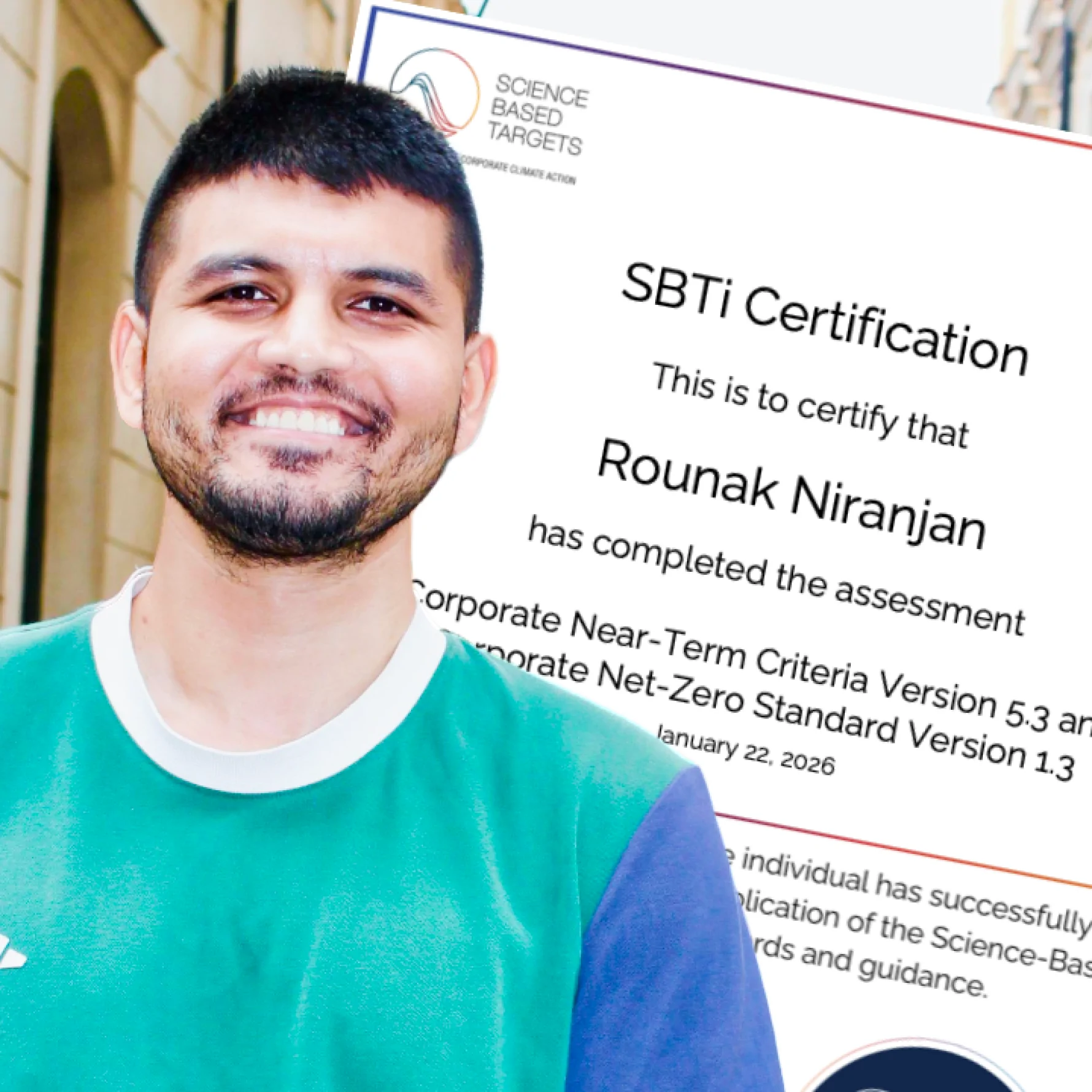
Now that ZeroMission’s climate strategist, Rounak Niranjan, has completed the SBTi Certified Expert program, we are one of the few companies offering certified expert assistance in setting science-based climate targets in accordance with Science Based Targets.
3. Improve energy efficiency and reduce emissions from electricity consumption
Most organizations can achieve reductions in energy-related emissions. This can be done, for example, by renegotiating supplier contracts, replacing vehicles in your passenger car fleet, or purchasing electricity with a guaranteed origin. You can also review the energy performance of your buildings and replace fossil fuel-based heating systems with fossil-free alternatives.
4. Work with suppliers to reduce your environmental impact
Ironically, the largest sources of your emissions are often beyond your direct control. By setting requirements for suppliers during procurement, optimizing transportation, choosing rail over air for freight, and investing in circular products and services, your organization can significantly reduce its climate impact.

By improving your organization’s energy efficiency—for example, by purchasing certified renewable electricity, switching electricity providers, optimizing building operations, or switching to electric vehicles—you can significantly reduce emissions.
5. Get the whole organization on board!
Even though leadership has a crucial role to play in launching sustainability initiatives, your organization won’t get very far if employees aren’t on board. That’s why it’s important to foster internal engagement, keep staff informed of progress, and identify and encourage new ideas and initiatives.
In summary – reduce your carbon footprint
Reducing emissions can be difficult, and the circumstances vary from one organization to another. It also often becomes more challenging over time, as the last remaining emissions are the hardest to tackle. We recommend carbon offsetting as a way to address the climate impact your organization is causing right now, while continuing to reduce emissions.
Everything points to sustainability becoming less about goodwill and regulatory compliance and more about long-term survival. The sooner you ensure that your company has a clear transition plan, the more relevant you will be in the future.
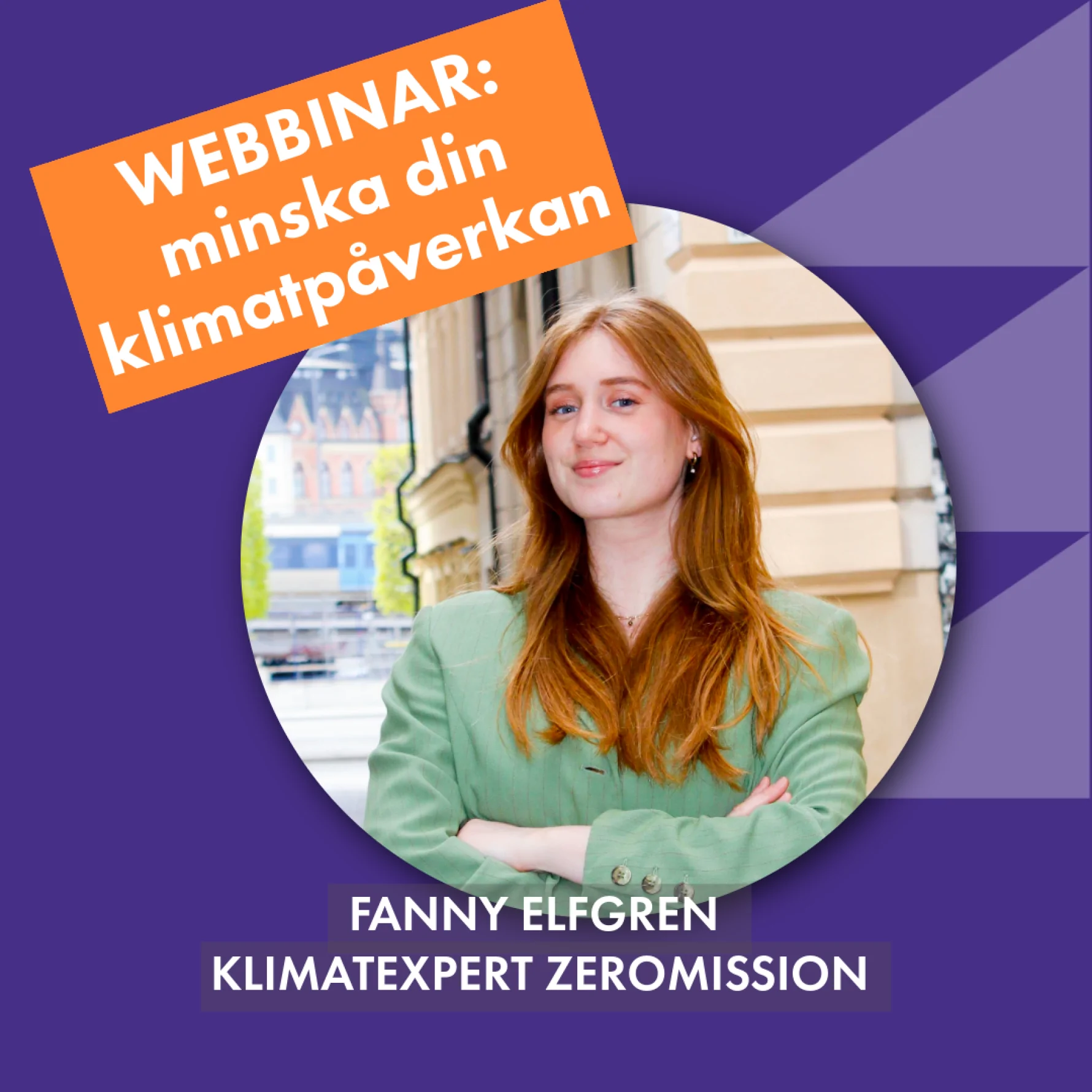
Reducing emissions can be difficult. That’s why we’re hosting a webinar on April 17 for anyone interested, with the aim of informing and inspiring. We look forward to seeing you there!
Webinar on Reducing Climate Impact
Want to learn more? Join us for our upcoming webinar on April 17, featuring representatives from Diab Rejlers, as we take a closer look at how companies can balance sustainability with economic growth.