Following the warning signals from the IPCC last spring, so-called negative emissions technologies (NETs) have received considerable international attention. It is clear that we must not only reduce our emissions, but also capture and manage the carbon we have already emitted. Biochar is one of the negative emission technologies that will become increasingly important to meet the 1.5°C climate target.
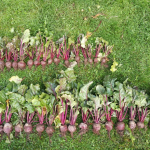
Last week, ZeroMission visitedStockholm Vatten & Avfall(SVOA), where they are working on just that. In their biochar pilot plant in Högdalen, they create biochar from garden waste, both from municipal and private gardens. Since 2014, SVOA has been working to scale up biochar production for use in state plantations around Stockholm, giving new life to trees and green spaces. The biochar is also available to the public and can be collected in exchange for garden waste. As for the increase in yield, let the beets in the picture speak for themselves!
Biochar has great potential, not only as a soil improver but also as a carbon sink. Högdalen's production, which is currently relatively small, annually captures the equivalent of emissions from 700 cars (about 900 tCO2). The energy created during the process, where biomass is carbonized in an oxygen-poor environment, is currently used as renewable heat for 80 apartments. As the plant sequesters more carbon than it emits, the net emission is negative and the climate benefit is positive.
The initiative has gained international attention, winning Bloomberg's Mayors Challenge for its vision of biochar as a sustainable soil amendment and carbon sink. Since winning the competition, it has received visitors from all over the world interested in implementing similar projects in their cities.
We are now at a stage where we cannot just wait for new innovations to solve the problems. Biochar is an example of how the old adage of returning energy and nutrients to nature can be used to solve the global problems we face.