Regenerative agriculture in Europe - Verra
The Regenerative Agriculture project, based on the RegenAgri framework, supports farmers across Europe in their transition to regenerative agriculture. By improving soil health and storing carbon, the project delivers verified climate benefits while creating new income opportunities for farmers.
Background to the report
Agriculture in Europe has long relied on intensive production systems that deplete soils and are a major source of greenhouse gas emissions. While many farmers recognize the need for change, they need to manage economic risks and lack tools to measure and capitalize on the climate value of their inputs.
This project, developed by Agreena, mitigates these risks by enabling the sale of carbon credits to finance changes in farming practices across Europe. Through the project, Agreena has created a direct link between farmers and businesses through the purchase of high quality carbon credits.
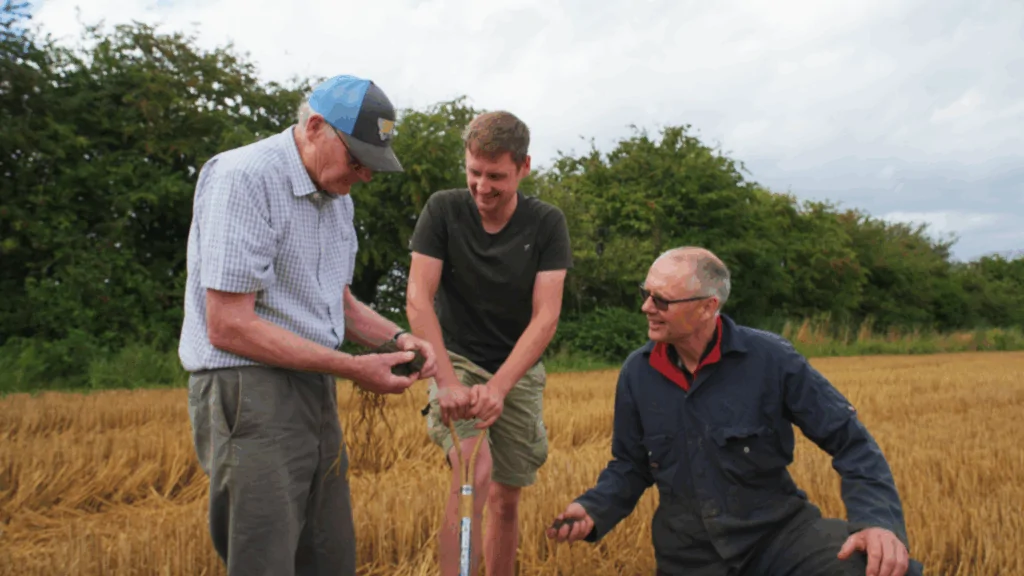
Reduced tillage, more cover crops, varied crop rotations and improved nutrient management are all climate-improving measures.
About the “
” Project
In this project, farmers enter into multi-year agreements that reward them for adopting practices that reduce climate impact, such as reduced tillage, increased use of cover crops, varied crop rotations, and improved nutrient management. The project offers financial incentives and agronomic support to lower the barriers to transition and create long-term stability.
To ensure credibility, the project uses advanced digital monitoring that combines satellite data, AI models, soil sampling and historical farm-level data to measure carbon uptake. The results are verified according to the Verra standard, making the project the first large-scale initiative in Europe to achieve this type of certification. Millions of tons of reductions in emissions and carbon sequestration have already been generated, with benefits going directly back to farmers - while strengthening soil resilience, biodiversity and water retention capacity.
Unique characteristic
The project is the first European project in the voluntary carbon credit market to be registered and verified according to the VERRA international standard, setting a new standard for agricultural climate projects. It shows how conventional agriculture can be transformed into a contributing climate solution - while strengthening farmers' livelihoods across Europe.
The project contributes to the following objectives