Biogas in India – Gold Standard
The Biogas in India project leads to emission reductions through reduced burning of firewood and kerosene, avoided methane gas emissions from the utilization of livestock manure, and reduced deforestation and pressure on threatened forest areas.
Background information
Traditionally in the state of Karnataka in southern India, household energy needs for cooking are met by wood and kerosene. The inefficient stoves commonly used have a thermal efficiency of only 8-10%, which means that large amounts of fuel are required to cook a meal.
As incomes in the area are low, many households are unable to invest in cleaner and more efficient energy sources, resulting in a continued reliance on firewood from the already heavily logged forests. This contributes to deforestation and biodiversity loss in the area. At the same time, the daily collection of firewood is a heavy burden, especially for women and children, who are often responsible for collecting fuel for the household.
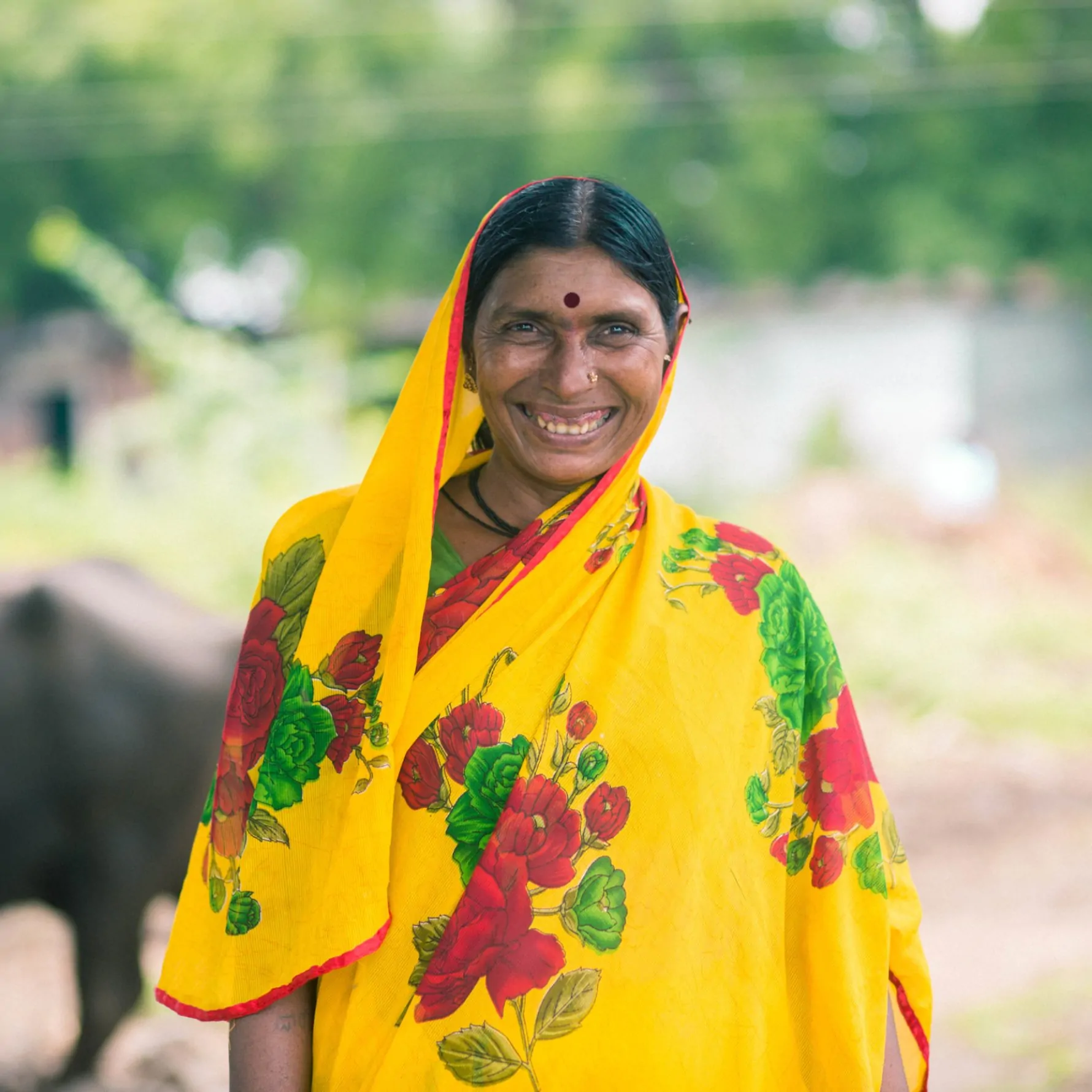
People who use indoor wood-burning stoves are widely affected by health problems related to air pollution. The smoke produced during combustion causes eye irritation, breathing difficulties and in some cases life-threatening diseases. Globally, indoor air pollution is one of the leading causes of premature death.
People who use indoor wood-burning stoves are widely affected by health problems related to air pollution. The smoke produced during combustion causes eye irritation, breathing difficulties and in some cases life-threatening diseases. Globally, indoor air pollution is one of the leading causes of premature death.
About the Project
To address these challenges, the project is installing small-scale biogas plants in households that have access to livestock. The plants are fed with animal manure and kitchen wastewater and produce methane gas that can be used for cooking and water purification. This eliminates the need for firewood and kerosene.
The residual product of the process is a high-quality, organic fertilizer that has been shown to increase crop yields by up to 50%, boosting food security and reducing the need for chemical fertilizers. The project started in 2014 and has shown clear impacts on sustainable development.
Unique feature
In addition to improving health and reducing pressure on forests, the project frees up time for women and children to pursue studies or other income-generating activities. The project contributes to as many as 10 of the UN Sustainable Development Goals.
The project contributes to the following objectives