Efficient cookstoves with loan groups Kenya - Gold Standard
Indoor air pollution from wood-burning stoves is one of the main causes of premature deaths worldwide. With an efficient stove, less wood is needed, which reduces smoke and is good for the environment and the climate as the need for wood is reduced. Offering efficient stoves with loan groups allows households to invest in cleaner technologies even without access to cash, strengthening health, economy and gender equality.
Background information
According to WHO statistics, as much as half of the world's population still cooks over open fires, often in poorly ventilated areas. Rural Kenya is no exception. Traditional wood-burning stoves are still widely used, leading to both health problems and increased deforestation. The constant need for firewood leads to the felling of many trees, exacerbating climate change and weakening ecosystems.
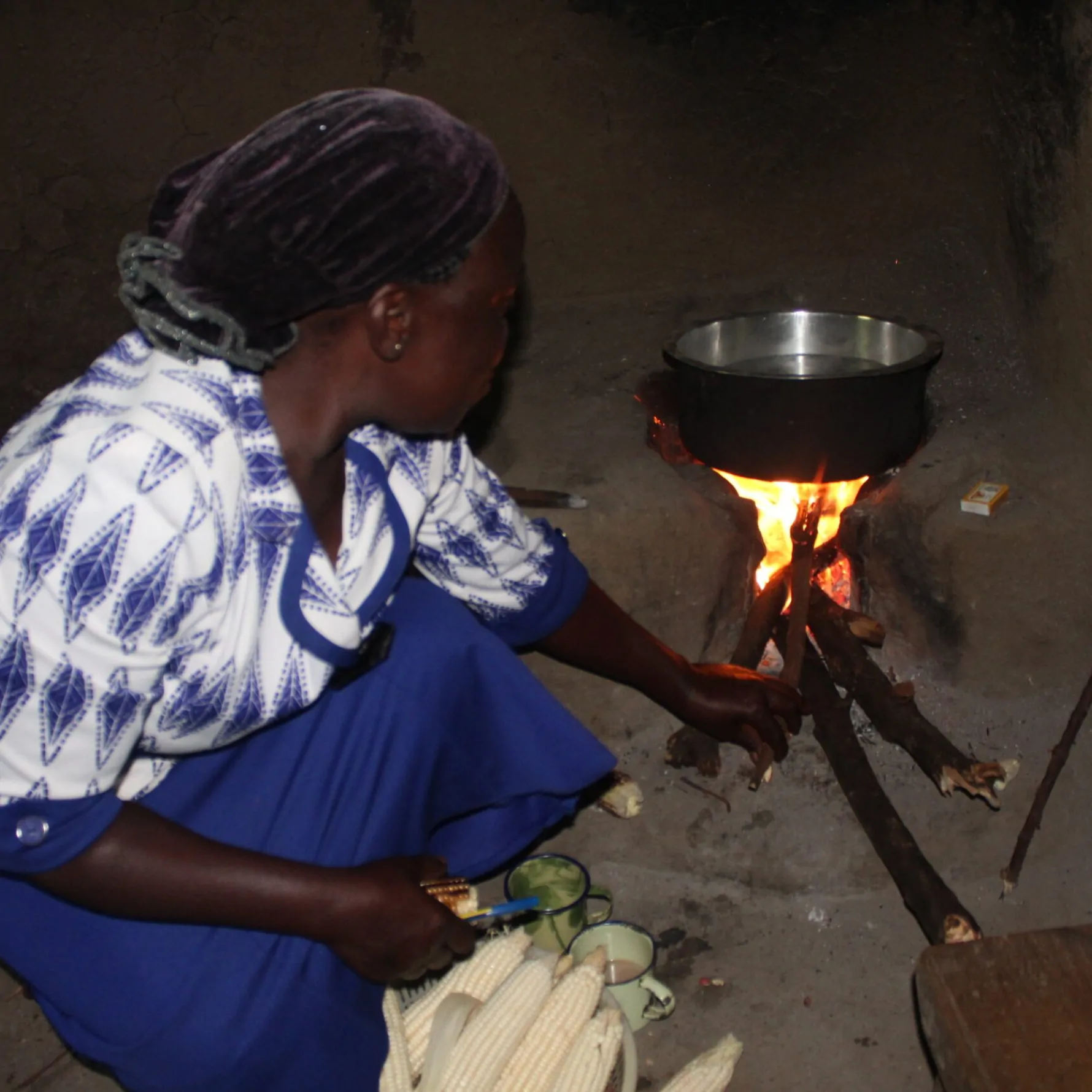
An efficient stove requires less firewood, which reduces both indoor smoke and the pressure on forests. This leads to improved health, reduced carbon dioxide emissions, and a more sustainable use of natural resources. An efficient stove requires up to 50% less fuel than traditional stoves and is manufactured by local artisans using locally available materials, which also creates jobs in the region.
About the Project
This project started in 2011 and aims to address these problems by installing efficient stoves in families. With an efficient stove, less wood is needed, reducing both indoor smoke and pressure on forests. This leads to improved health, reduced carbon emissions and more sustainable use of natural resources. An efficient stove requires up to 50% less fuel than traditional stoves and is made by local artisans using locally available materials, also creating employment in the region. So far, over 160 permanent jobs have been created through the project.
Unique feature
The project also has a strong social component. Thanks to a micro-loan scheme, households are able to invest in efficient stoves. Capital for the purchase of the subsidized stoves is provided through savings and loan groups run mainly by women. These groups strengthen women's economic independence and position in society. The loan groups are particularly important because rural residents often do not have access to regular banking services or credit. The project thus contributes to better health, reduced environmental impact, strengthened gender equality and increased economic security - all at the same time.
The project contributes to the following objectives