REDD+ Khasi Hills, India – Plan Vivo
Khasi Hills is one of the very first REDD+ projects in Asia and the first of its kind in India. It aims to protect an area of 27,000 hectares of forest and involves people from 86 different villages. The project is coordinated by the local organization Synjuk Mawphlang Welfare Society, which ensures that the project's goals are met in a fair and effective manner.
Background information
Rapid deforestation in this part of India not only threatens the climate through the large amount of carbon dioxide released when the trees are cut down and the land destroyed. It also affects water flows, soil fertility and thus people's long-term livelihoods. Local waterways are drying up or becoming polluted, and biodiversity is declining as habitats are lost.
The project
Many communities that depend on forests for their food, medicine and wood supply are directly affected. The project therefore aims not only to combat deforestation, but also to restore ecosystems and create new livelihoods through sustainable forestry and management. Protecting and restoring forests benefits the climate, nature and local people.
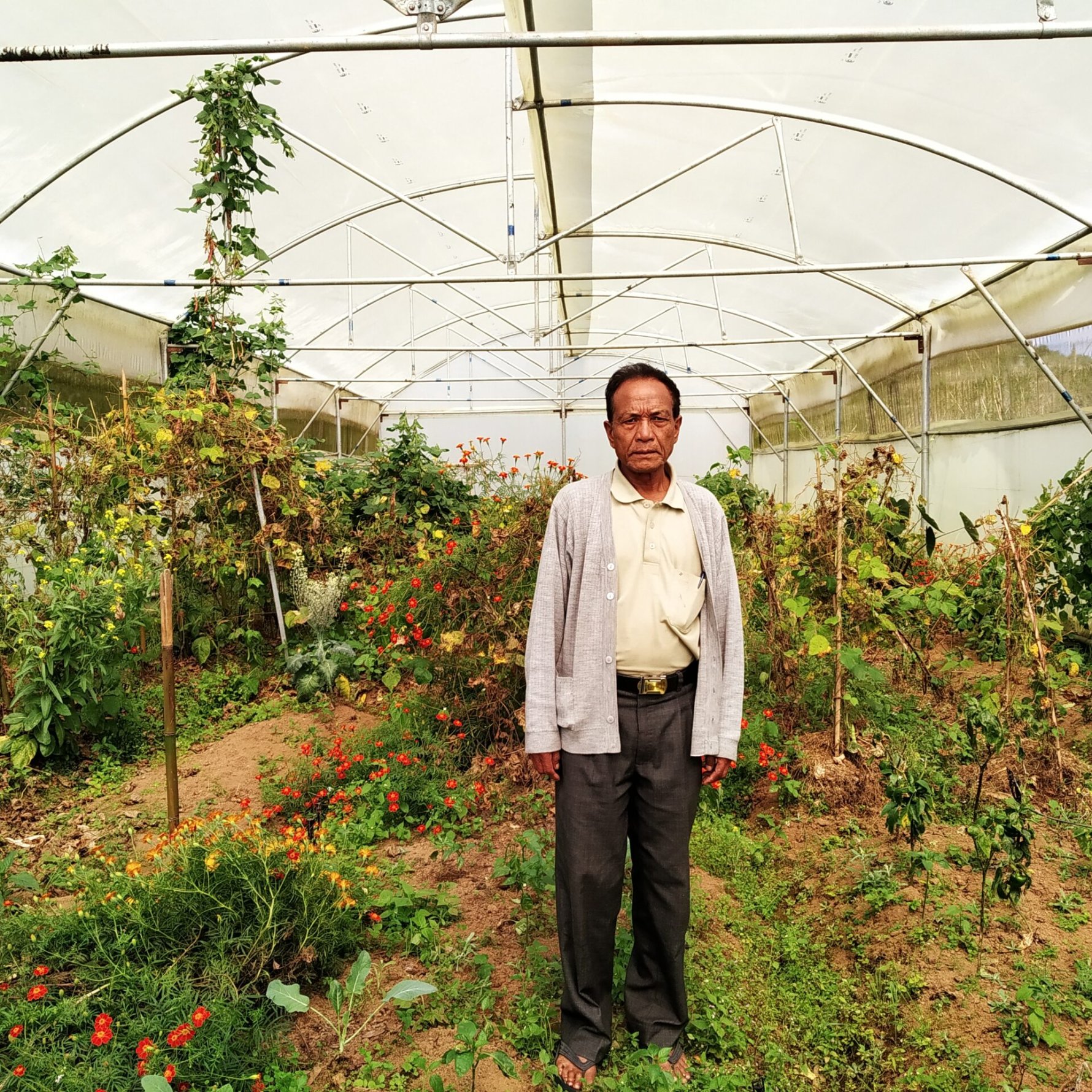
The project is based on local participation and traditional knowledge, making it particularly powerful in creating long-term commitment. Residents are directly involved in monitoring, management and planning, and many have received training in sustainable forest management.
As in all Plan Vivo, at least 60% of the revenue from the sale of carbon credits goes directly to local project participants, strengthening both the economic and ecological resilience of the area.
Unique feature
The Khasi Hills are located in the district of Khasi in the state of Meghalaya in north-eastern India. The area is known for its unique nature and extreme rainfall, and the forest is often referred to as a 'cloud forest' due to the humid climate and high altitudes. It is one of the rainiest areas in the world, making it particularly vulnerable to environmental change.
The project contributes to the following objectives
Watch a movie about the REDD+ Khasi Hills project