REDD Yaeda-Eyasi Landscape Project, Tanzania - Plan Vivo
In this Plan Vivo project, the Yaeda-Eyasi Landscape REDD Project in Tanzania, forest is conserved in collaboration with two different tribes – the Hadza tribe, a hunter-gatherer people, and the Datoga tribe, a pastoral community. The Hadza people have likely lived off and with nature in the same place for over 50,000 years.
Background information
Over the past 50 years, the Hadza hunter-gatherers, along with the Datoga pastoralists, have lost more than 90% of their traditional lands. This has happened as outsider tribes and communities have claimed land for cattle ranching, agriculture and settlement. The Hadza people have probably lived in harmony with nature in the area for over 50,000 years, and their traditional way of life is entirely dependent on the availability of intact forest and savannah environments. Today, there are only around 1,200 Hadzabe left living according to their traditions, making the protection of their habitat and cultural heritage even more important.
About the Project
To counter the rapid loss of forests and traditional lands, the REDD Yaeda-Eyasi project was launched in 2010 in northern Tanzania. Today, the project covers over 110,000 hectares of forest and savannah and aims to protect the environment by working closely with local communities. By strengthening land rights and creating incentives for conservation, the project has succeeded in significantly reducing deforestation in the area. An important part of the work is to train and employ so-called Village Game Scouts, local forest guards who patrol the area to counteract illegal logging and poaching. Thanks to their efforts, wildlife has started to return to the area, including the endangered Masai giraffe.
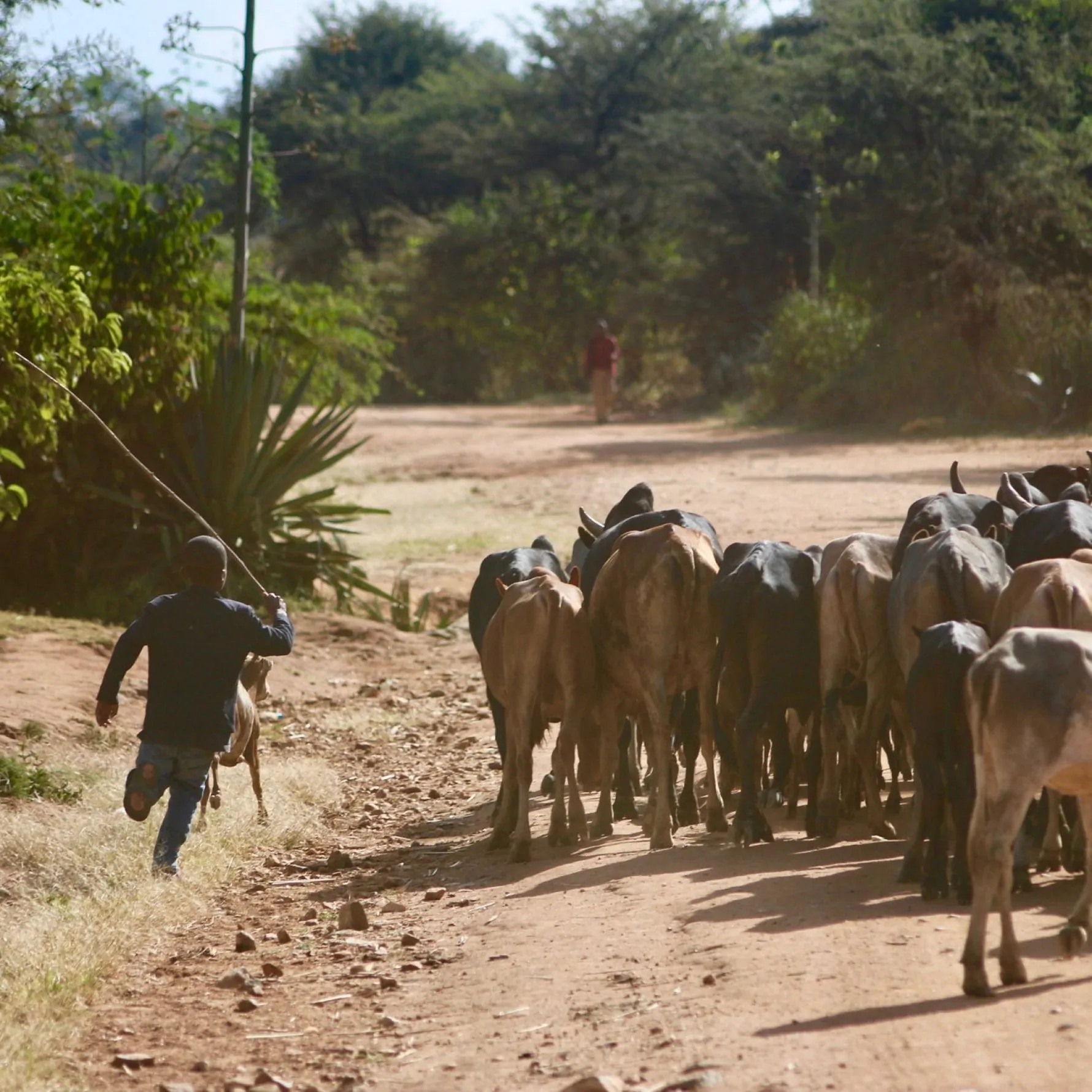
By strengthening land rights and creating incentives for conservation, deforestation in the area has been significantly reduced. An important part of this effort is training and hiring so-called Village Game Scouts—local forest rangers who patrol the area to combat illegal logging and poaching.
Unique feature
The project is financed through the sale of carbon credits. The proceeds enable salaries to be paid to patrolling forest guards, but also contribute to wider community benefits. The funds have been used to renovate schools, improve access to healthcare and implement other local development initiatives. Decisions on how to spend the money are made collectively and democratically by the villagers each year. As with all Plan Vivo, at least 60% of the proceeds go directly to local project participants.
The project contributes to the following objectives