Trees for Global Benefits, Uganda – Plan Vivo
Uganda is a country rich in natural resources. However, due to agricultural expansion, charcoal demand and poverty, forests are under widespread deforestation pressure. The main objective of the Trees for Global Benefits project is to improve the situation of farmers through sustainable and climate-resilient agriculture with a focus on tree planting.
Background information
Trees for Global Benefits is a Plan Vivo project that started in 2003 with the aim of addressing these challenges in an integrated and sustainable way. Working directly with small-scale farmers across Uganda, the project aims to reduce pressure on national parks and forest reserves, while sequestering carbon through tree planting. The project also has a clear focus on improving the living standards of participating households by increasing and diversifying their income. At the same time, the project also aims to strengthen the resilience and adaptive capacity of smallholder farmers to climate change.
About the Project
The project is run by Ecotrusta local environmental organization with long experience in combining climate action with social development. Today, over 40,000 smallholders are involved in the project, and it is growing steadily as more people see the benefits. An important part of the work is to strengthen the ability of smallholders to adapt to climate change through long-term climate-adapted agriculture. In several areas, the GALS (Gender Action Learning Systems) method is used to promote gender equality and empower women. In addition, the Multilane Highway model is used, where local communities jointly map their visions for the future and identify common goals and challenges.
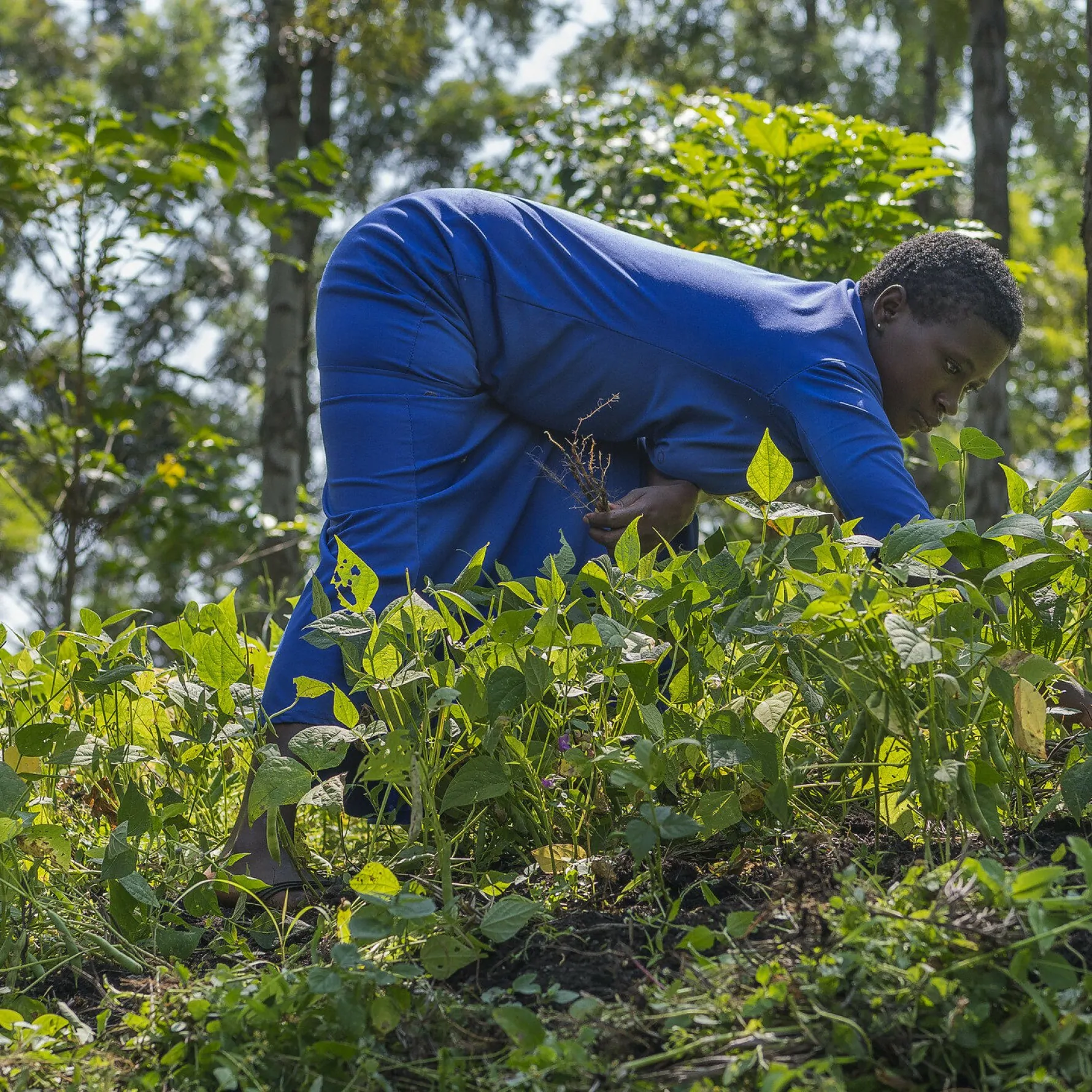
Through agroforestry—a form of agriculture in which native trees are planted alongside cash crops—the project contributes to increased food security, access to firewood, improved soil quality, and more stable incomes.
Unique feature
Through agroforestry - the practice of planting indigenous trees alongside cash crops - the project contributes to increased food security, access to firewood, improved soil quality and more stable incomes. Since its inception, over 27,000 hectares of land have been included and more than USD 6 million has been disbursed to participants. As with all Plan Vivo, at least 60% of the proceeds go directly to smallholder farmers.
The project contributes to the following objectives