Guaranteed climate benefits – what happens if the forest burns down
May 7, 2026
We are sometimes asked what happens if unforeseen events occur in the climate projects from which we sell carbon credits. That is a perfectly reasonable question to ask. What happens to the climate benefits if war breaks out, if the trees are cut down again, or if forest fires start raging? Is the money invested in carbon credits really worth the investment—or is there a risk that the climate benefits will go up in smoke?
Guaranteed climate benefits through carbon offsetting
The short answer is: you can rest assured. As for the long answer, we can elaborate on it and explain how one of the world’s oldest and most credible standards for nature-based climate solutions has built this answer into the framework from the very beginning.
What is a carbon credit?
A carbon credit represents one ton of carbon dioxide that has either been sequestered from the atmosphere—for example, through tree planting or forest conservation—or avoided through sustainable technology. For every ton of verified climate benefit, a credit is issued, which can then be purchased by companies seeking to offset the emissions they have not yet managed to eliminate.
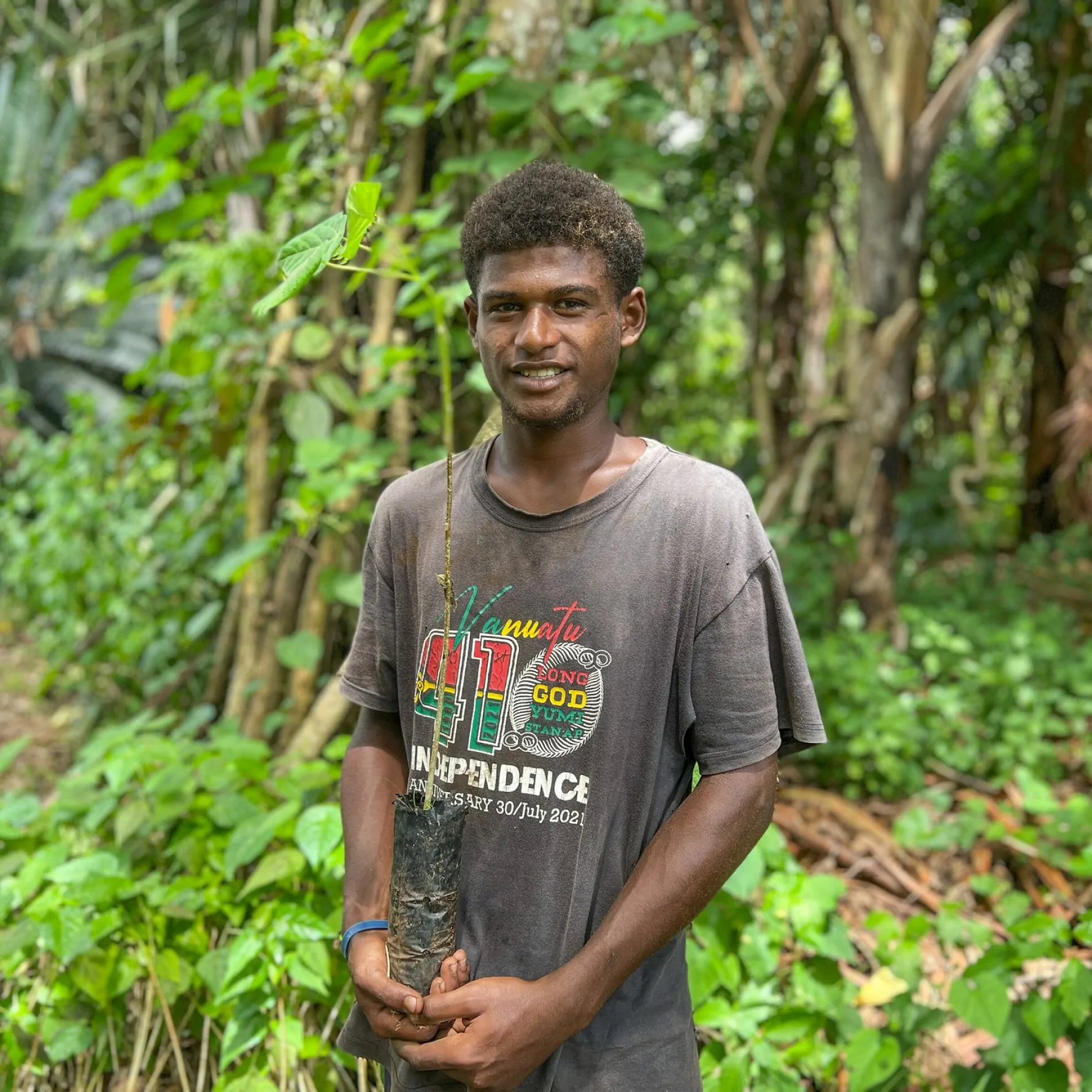
Junior Ranger Rocco at the Plan Vivo Loru Forest project in Nakau. The climate project protects large areas of forest that would otherwise be at risk of being cut down. Photo: Diana Wrangham,Plan Vivo
What role does the standard play in carbon offsetting?
But not all carbon credits are created equal. The quality of a credit is directly linked to the standard that certifies the project behind it. It is the standard that determines how carefully the climate benefits are measured, verified, and—crucially—how they are protected if something unexpected happens.
Since ZeroMission in 2006, we have primarily chosen to work with climate projects certified by Plan Vivo —and that’s no coincidence.
Plan Vivo: a standard built on sustainability
Plan Vivo in 1997 and is one of the leading standards for nature-based climate solutions. Projects certified under Plan Vivo a wide range of issues, from forest conservation and reforestation to sustainable agriculture—and they are designed to generate real, measurable climate benefits that endure over time, with a focus on local smallholders.
One of the key principles of Plan Vivo’s standard concerns sustainability. For a carbon credit to have long-term value, the climate benefit it represents must be lasting—not just at the time it is issued, but throughout the credit’s entire lifespan. This is where Plan Vivo’s safety buffer plays a crucial role.
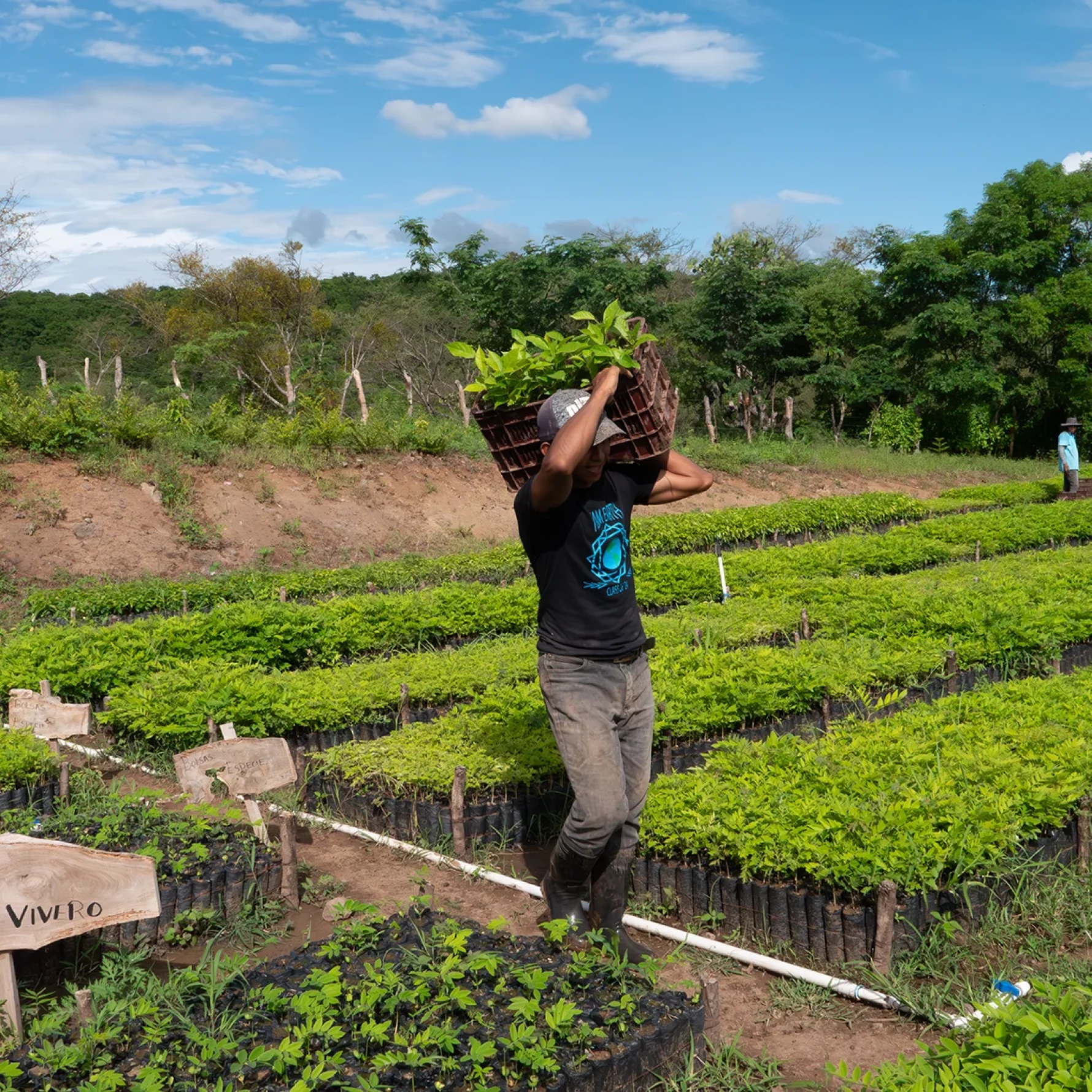
Tree seedlings ready for planting in the Plan Vivo CommuniTree project CommuniTree Nicaragua, a project that creates local jobs and strengthens food security.
Safety net for climate benefits through carbon credits
For every ton of carbon dioxide sequestered in a Plan Vivo project, a portion of the credits is set aside in a shared safety buffer. These credits are never sold—they are reserved exclusively to offset any climate benefits lost due to unforeseen events such as wildfires, storms, political upheavals, or other crises.
This is how much of Plan Vivo's buffer has been used
Since its inception in 1997, Plan Vivo built up a carbon credit reserve that now totals over 2,600,000 credits —a figure that grows with every new project certified and with each passing year. These credits thus correspond to the same amount of CO2 that has been sequestered or prevented from being emitted.
Of Plan Vivo’s entire reserve, it has only been necessary to use it on a single occasion so far, when 10,000 credits were withdrawn to cover a loss in a specific project.
To put that figure into perspective: 2.6 million tons of carbon dioxide is roughly equivalent to the total emissions from Swedish domestic shipping and civil aviation over the course of an entire year—and then some.
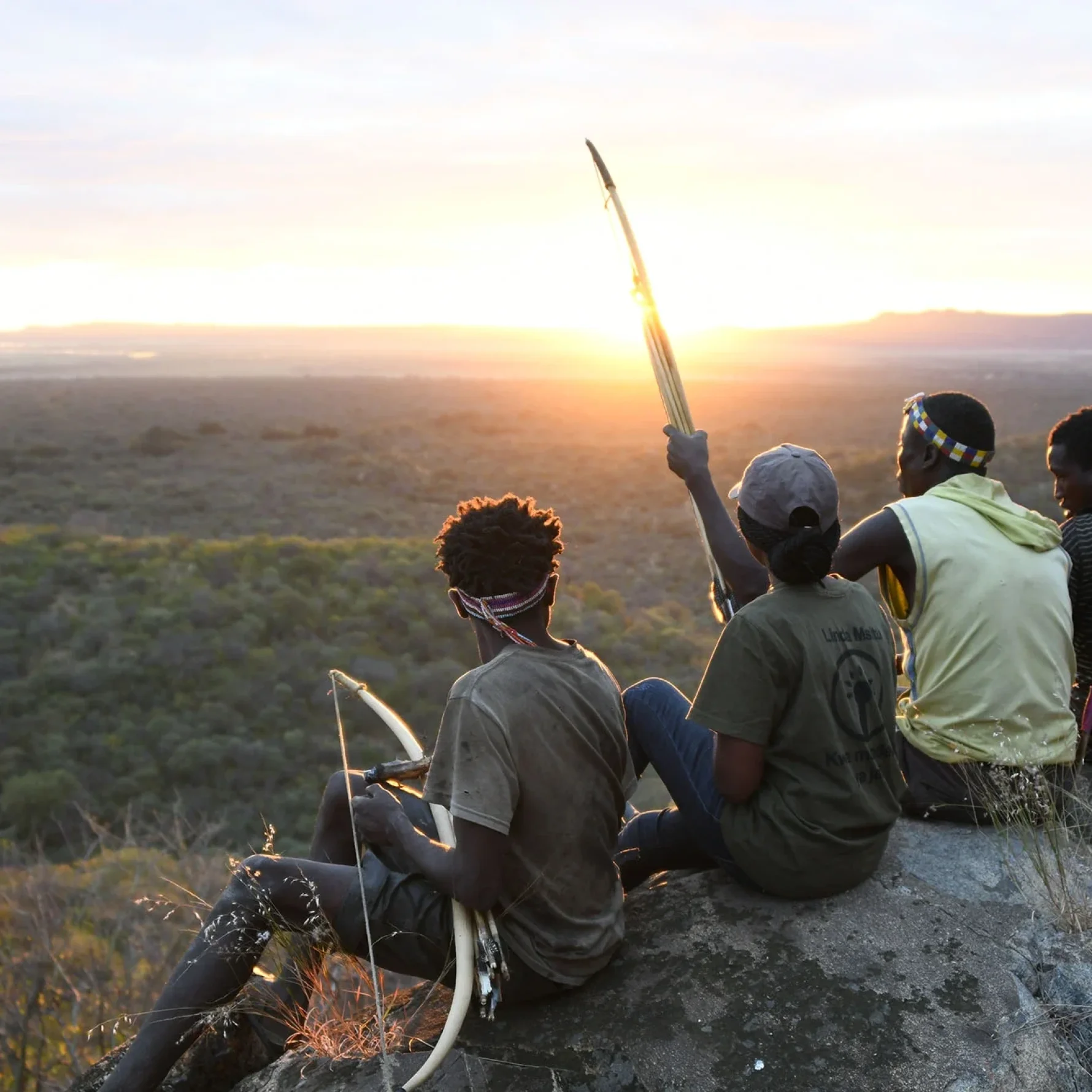
Yaeda Eyasi is a Plan Vivo in Tanzania that, in close collaboration with the Hadzabe indigenous group, protects an area of over 100,000 hectares of forest.
What this means for you as a buyer of carbon credits
As a company that purchases carbon credits from Plan Vivo ZeroMission , this ZeroMission your carbon offsetting protected in a way that few other standards can match. If a project is affected by a natural disaster, a fire, or another unforeseen event, the lost climate benefits are replaced from the buffer—at no extra cost to you and without you having to worry that your funding has gone to waste.
That is what we mean when we talk about high-quality carbon credits: not just a document certifying that a tree has been planted or preserved, but a guarantee that the climate benefits are actually lasting.
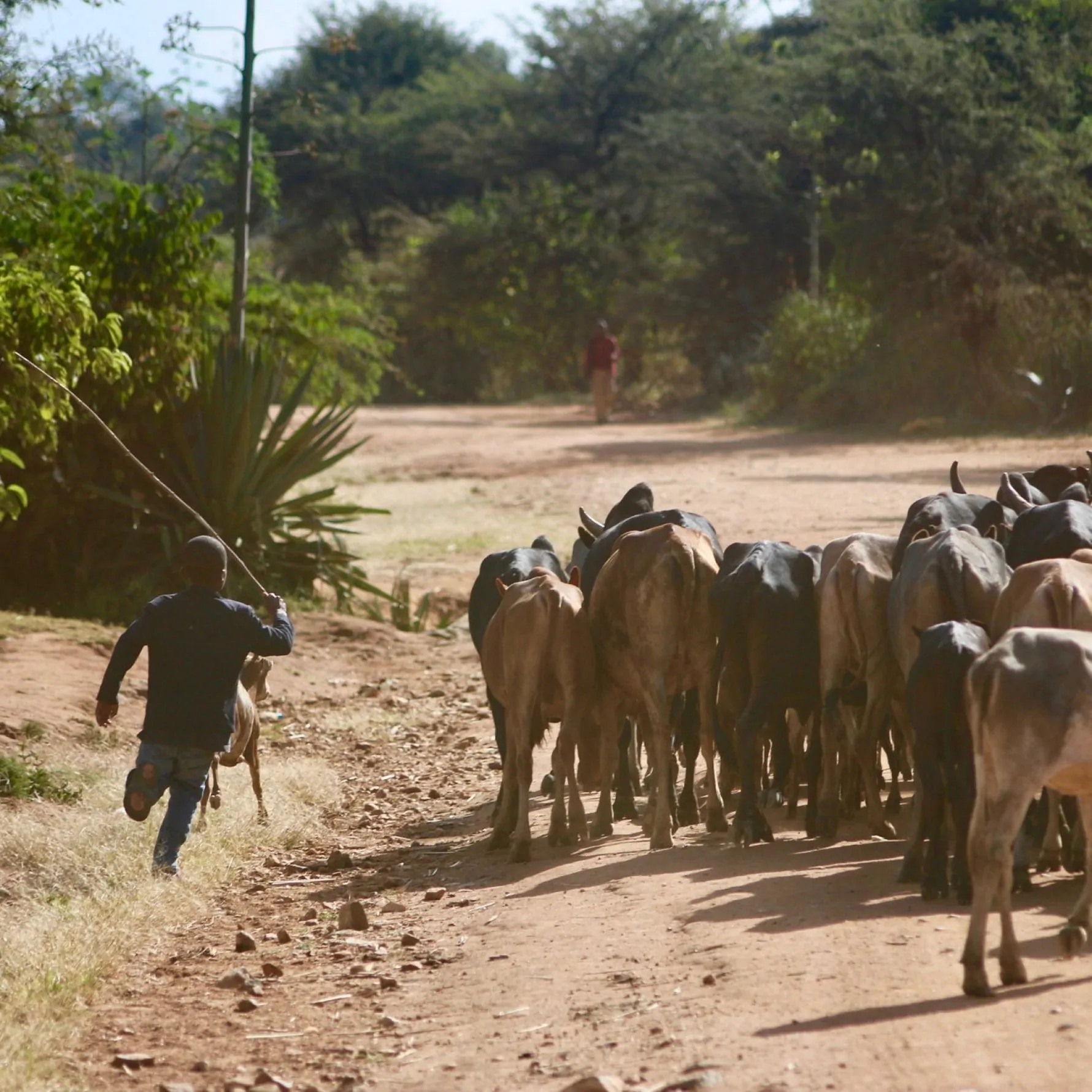
The Yaeda Eyasi project is funded through the sale of carbon credits. The proceeds enable the payment of salaries to forest rangers on patrol, but also contribute to broader social benefits. With the help of these funds, schools have been renovated, access to healthcare has improved, and other local development initiatives have been implemented. Decisions on how the money will be used are made jointly and democratically by the villagers each year. Just as in all Plan Vivo, at least 60% of the revenue goes directly to local project participants.
carbon offsetting part of a serious climate initiative
At ZeroMission , we ZeroMission carbon offsetting credits and carbon offsetting a complement to—never a substitute for—the efforts made to measure and reduce our own emissions. Our core approach is based on three pillars: Measure, Reduce, and Sequester. carbon offsetting the final step, addressing the emissions that cannot yet be eliminated in order to achieve net zero.
But once the decision is made, it’s important to do it right. Choosing certified, verified, and well-managed climate projects—with standards like Plan Vivo is the best way to ensure that every dollar invested actually contributes to the climate benefits it is intended to create.
And what if the worst were to happen? We have a plan for that, too.