Biochar: carbon sink that combines climate benefits with profitable agriculture
February 11, 2026
Biokol has quickly emerged as one of the most promising methods for carbon dioxide capture. By locking carbon in the ground for centuries, the technology offers a concrete path to net-zero targets – while strengthening soil health and creating new business opportunities through carbon credits from the company Biokol.se. Biokol.se is also one of the first companies in the world to be able to show documentation that their carbon remains in the ground for over 1,000 years. This makes their carbon credits unique on the market.
We met Edvard Hamilton, CEO and founder of Biokol.se, at his farm outside Götene. His interest in biochar arose from a need to improve the soil on his family farm, a farm overlooking Lake Vänern that his family has farmed for generations. It soon became clear that there were many advantages to using biochar, and he realized how effective it is to also use the heat generated by the boilers. The solution was to start manufacturing and selling biochar boilers in Sweden under the name Brachio AB.
Climate innovation with biochar from the family farm
We met up with Edvard Hamilton, CEO and founder of the company Biokol.se at his farm outside Götene. His interest in biochar arose from a need to improve the soil on his family farm, a farm overlooking Lake Vänern that his family has farmed for generations. It soon became clear that there were many advantages to using biochar, and he realized how effective it was to also use the heat generated by the boilers. The solution was to start manufacturing and selling biochar boilers in Sweden under the name Brachio AB.
Today, Edvard runs the company Biokol.se together with his wife Sofia and colleague Rickard Olsson, which builds and supplies biochar boilers to Swedish farmers, municipalities, and environmentally conscious companies. The boilers are now available throughout Sweden, and some of them have chosen to be part of the carbon credit market through Biokol.se.
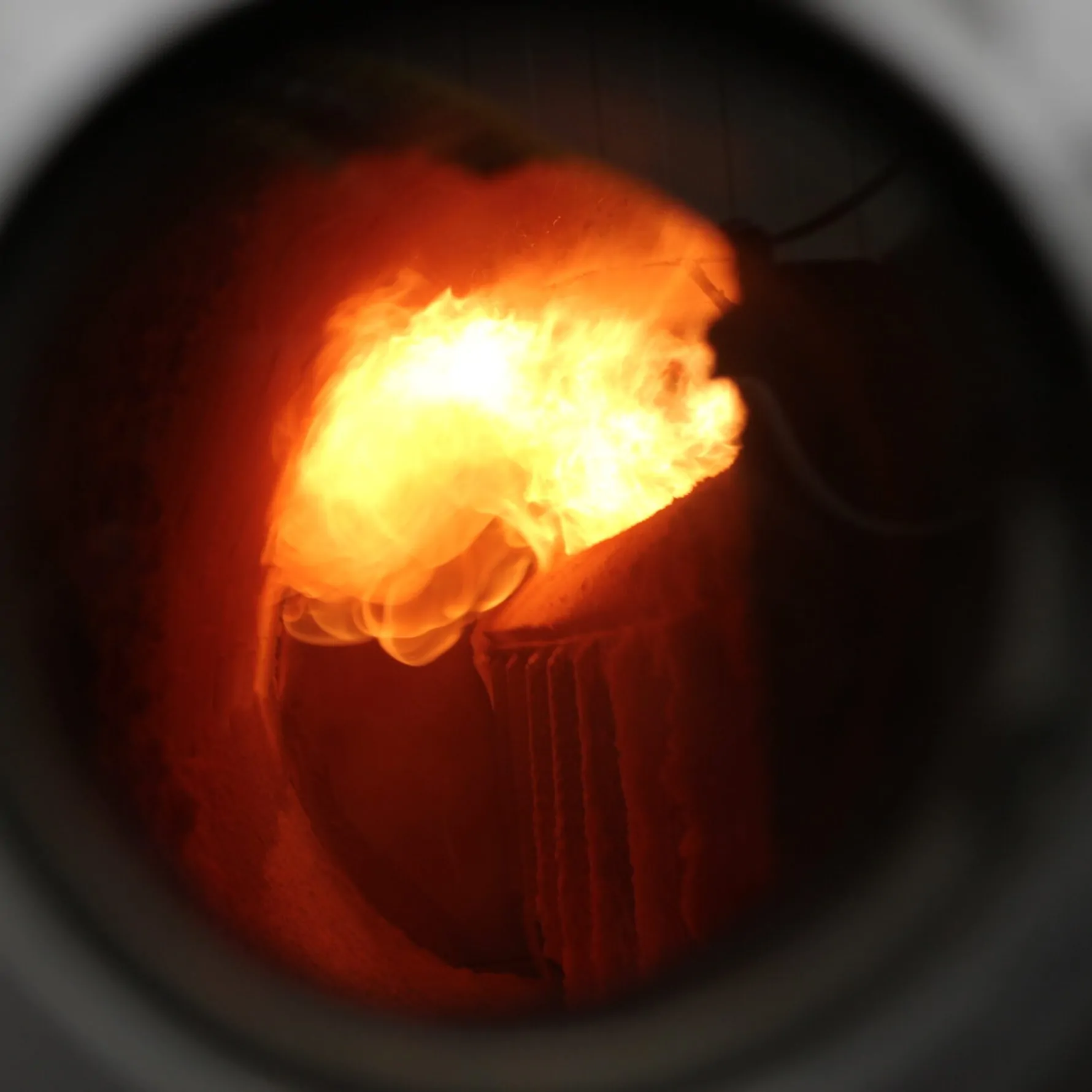
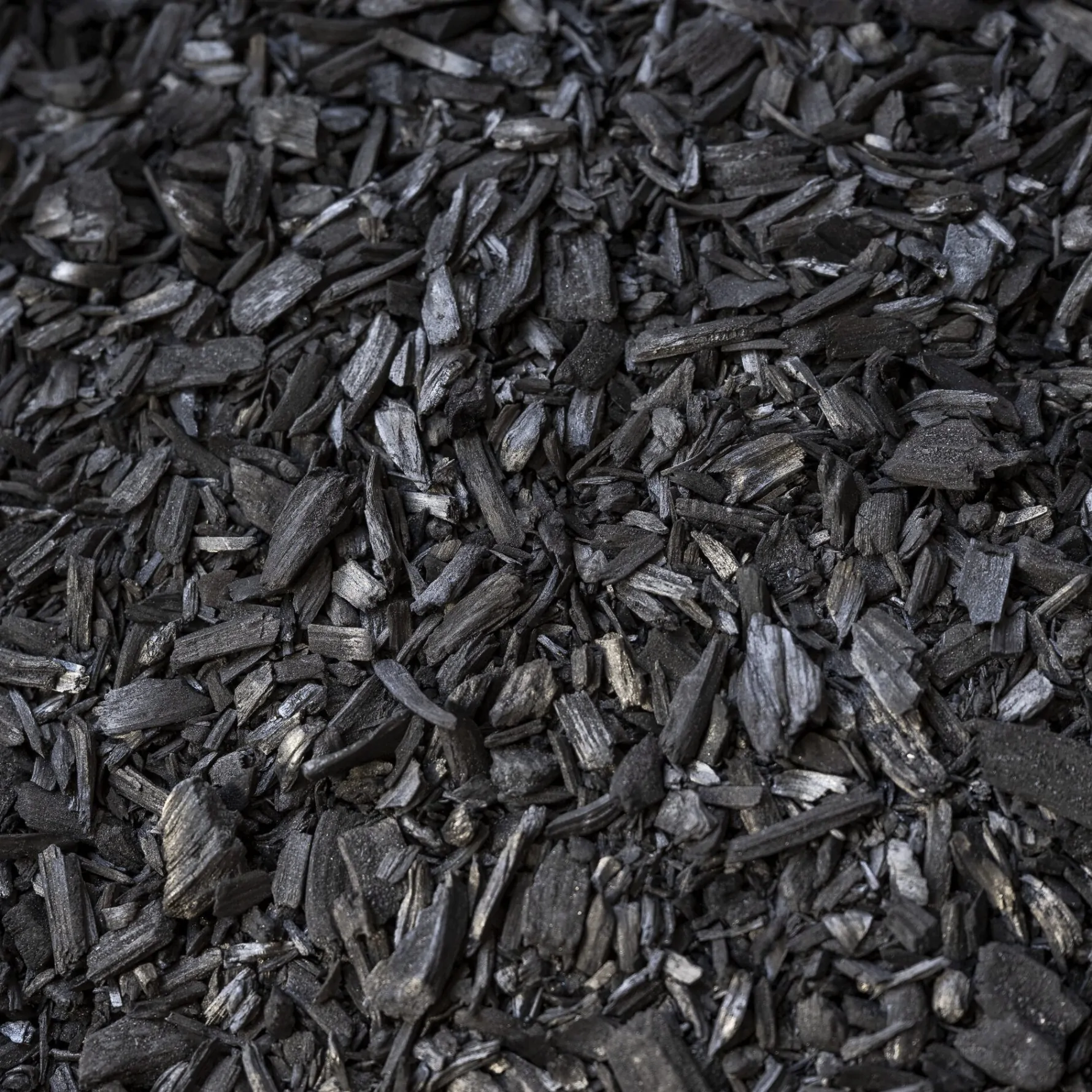
By pyrolyzing the biomass at very high temperatures over a long and consistent period of time, ash is filtered out of the carbon while heavy metals are effectively eliminated. The result is "clean" biochar with an extremely high carbon content.
The market for biochar in Europe has undergone significant expansion in recent years, with the Nordic region unsurprisingly taking the lead. With our forest-rich country and exceptional access to biomass, the Nordic region accounted for a full 31 percent of total European biochar production in 2024, making us a region at the forefront. In the Nordic region, the heat is also needed, which distinguishes biochar production here from other parts of the world where the heat is not utilized.
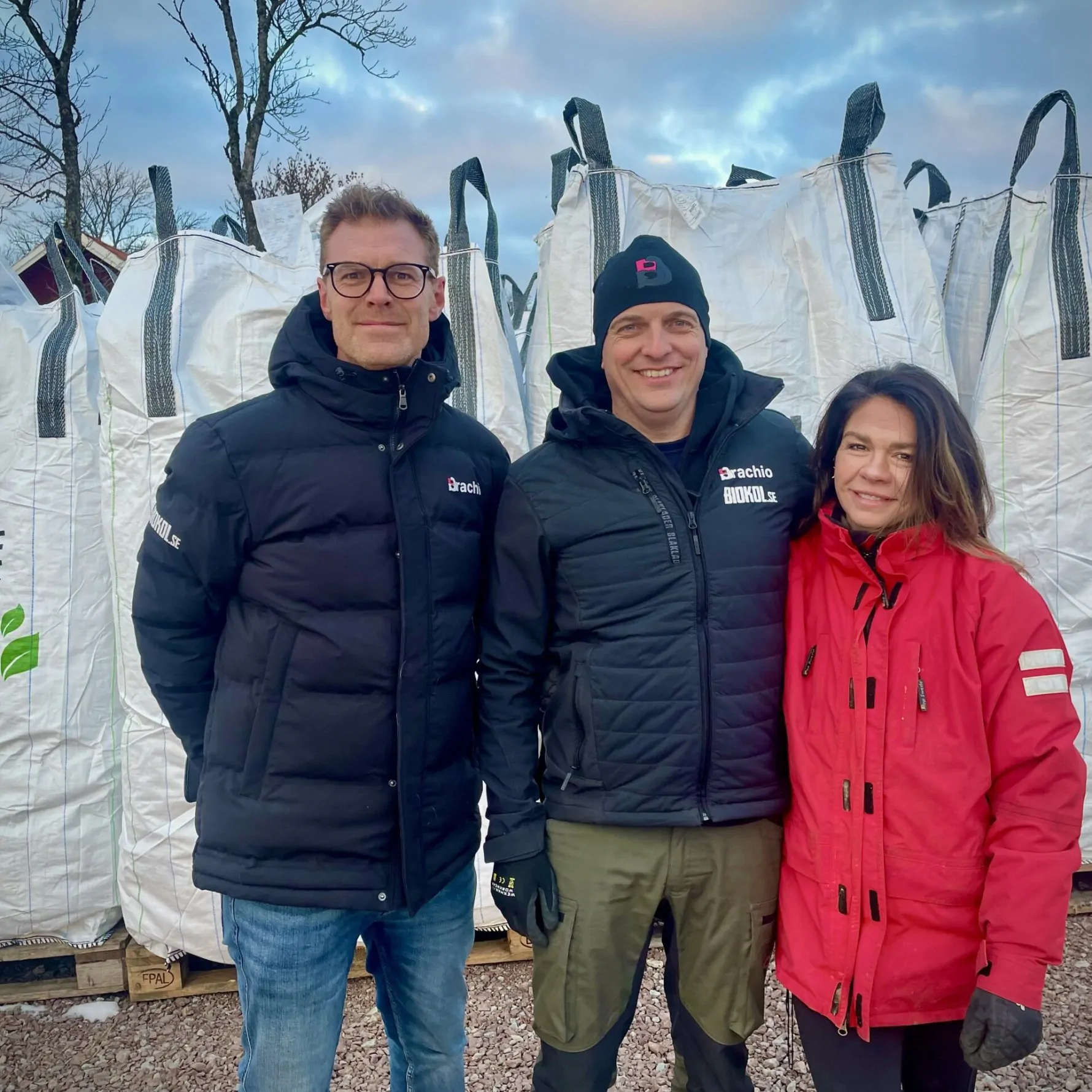
Rickard Olsson, Edvard Hamilton, and Sofia Hamilton. Biokol.se. is one of the first companies in the world to demonstrate that its charcoal remains in the ground for over 1,000 years.
Long-term carbon sink with biochar
Biokol.se supplies biochar and carbon credits of a very high quality. The key lies in the production process and quality assurance. By pyrolyzing (a process in which material is heated without oxygen so that it breaks down without burning) the biomass at very high temperatures over a long and consistent period of time, ash is filtered out of the carbon while heavy metals are effectively eliminated. The result is "clean" biochar with an extremely high carbon content, the quality of which is verified by EBC (European Biochar Certification) certification and advanced reflection tests.
Not all biochar is of the same quality. "Measuring the purity of biochar is similar to evaluating diamonds; just as you examine a gemstone for color and discoloration, tests are used to ensure that the carbon is stable and that storage will be long-term," says Sofia Hamilton at Biokol.se.
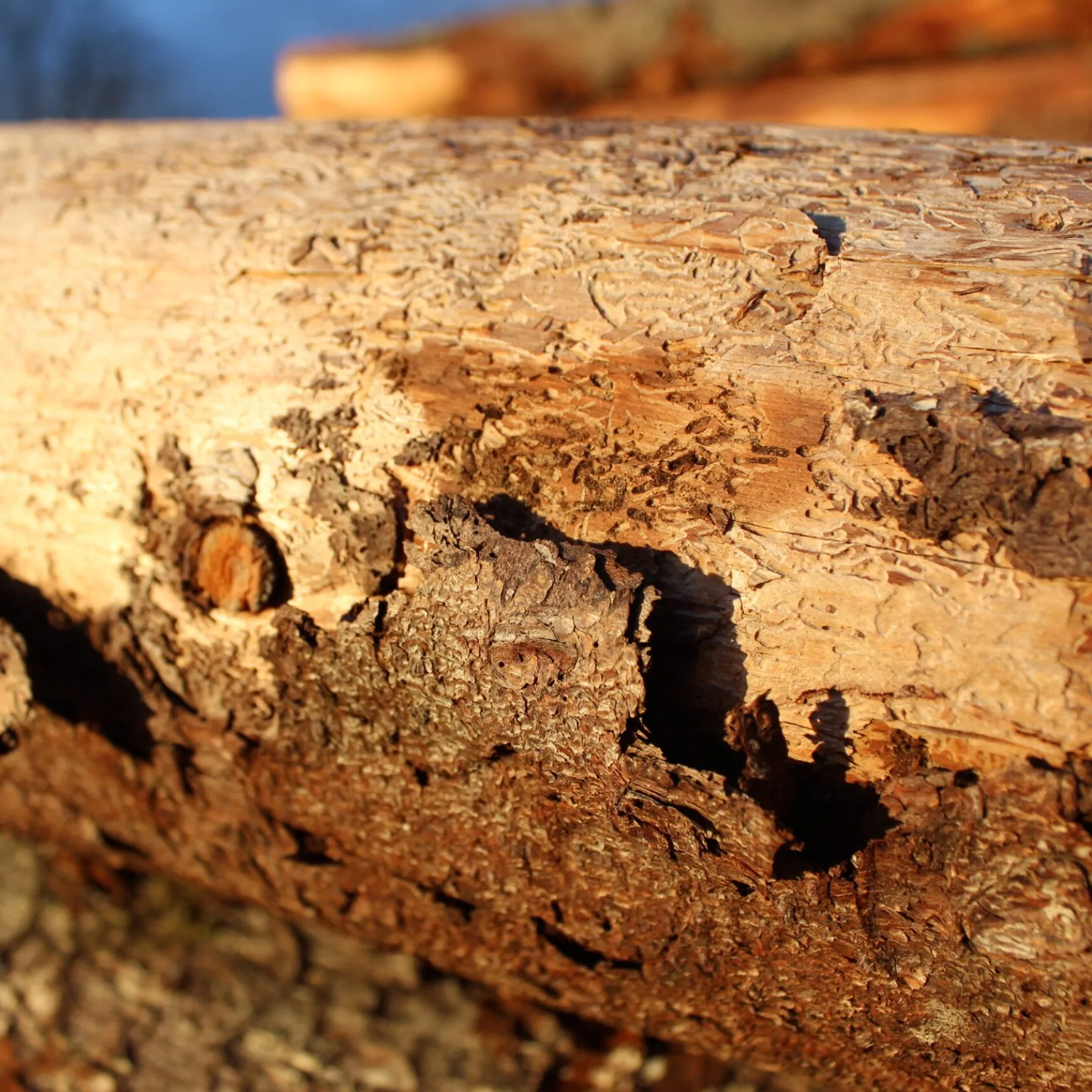
The raw material used in production at Biokol.se comes from FCS-certified forests, the remains of diseased trees affected by various insect or fungal infestations, and forest industry residues. However, biochar can be made from almost any type of biomass.
Uses for biochar
The potential of biochar as a physical product extends beyond carbon storage, as the material has a range of practical applications. In agriculture, it acts as a soil improver, making the soil porous and improving its ability to retain water and nutrients, and in modern urban environments, biochar is widely used in urban gardening projects (e.g., tree planting).
In the construction sector, various experiments are also being conducted with the use of biochar, which is mixed into cement to reduce emissions from production, while at the same time binding carbon in the structures. Today, up to 8-9 percent of cement can consist of biochar without compromising strength.
The UN Intergovernmental Panel on Climate Change (IPCC) highlights biochar as one of the most promising methods for long-term carbon storage on land, thanks to its availability, cost-effectiveness, and durability.
High-quality Swedish coal credits
Although it is possible to produce biochar from almost any type of biomass, Biokol.se focuses on developing a sustainable alternative without residues of impregnation or toxins. The raw materials used in their production come from FCS-certified forests, residues from diseased trees affected by various insect or fungal infestations, and forest industry residues.
The carbon credits generated by Biokol.se are certified by theRainbow standard and are only issuedoncethe biochar has been added to the soil and the climate benefits have been realized. As with ZeroMission's other projects, the standard ensures that the carbon credits truly correspond to the amount of carbon dioxide sequestered, which means that you, as a buyer, can be sure that your carbon offsetting is doing good.
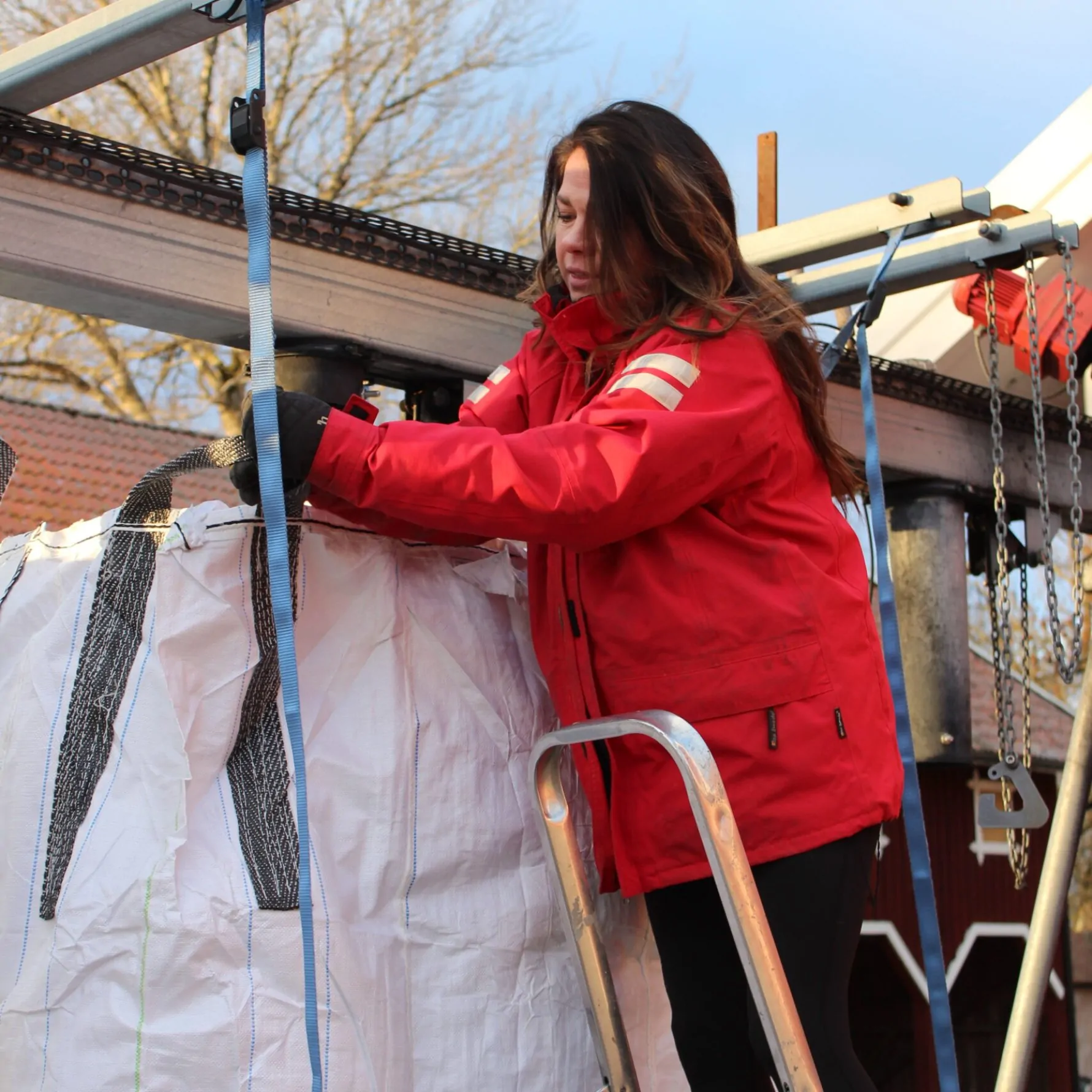
Biochar offers a range of very positive added values, regardless of whether it is used as a product in soil and materials, or whether companies choose to finance climate benefits by purchasing carbon credits.
Added value of biochar in Sweden
Whether used as a product in soil and materials, or if you choose to finance climate benefits by purchasing carbon credits, biochar offers a range of significant added value.
In addition, the UN Intergovernmental Panel on Climate Change (IPCC) highlights biochar as one of the most promising methods for long-term carbon storage on land, thanks to its availability, cost-effectiveness, and durability. At the same time, the use of biochar creates new local synergies, where Swedish producers, landowners, companies, energy companies, and municipalities collaborate in a circular and regional climate benefit.
And the land on Edvard's farm? Yes, it has improved.