Menigo puts a price on its CO2 emissions by purchasing carbon credits
For several years, ZeroMission supplying high-quality carbon credits to Menigo, one of Sweden's leading wholesalers of food, beverages, and kitchen equipment. Read more about their sustainability work and choice of climate projects here.
Menigo is one of Sweden's leading full-service suppliers and wholesalers for the professional food market. They mainly target restaurants, commercial kitchens, schools, and convenience stores, focusing on sustainable dining experiences and the development of Swedish gastronomy.
We spoke with Erika Rapp, Sustainability Manager at Menigo, about their choice of climate projects and what their sustainability work means in practice.
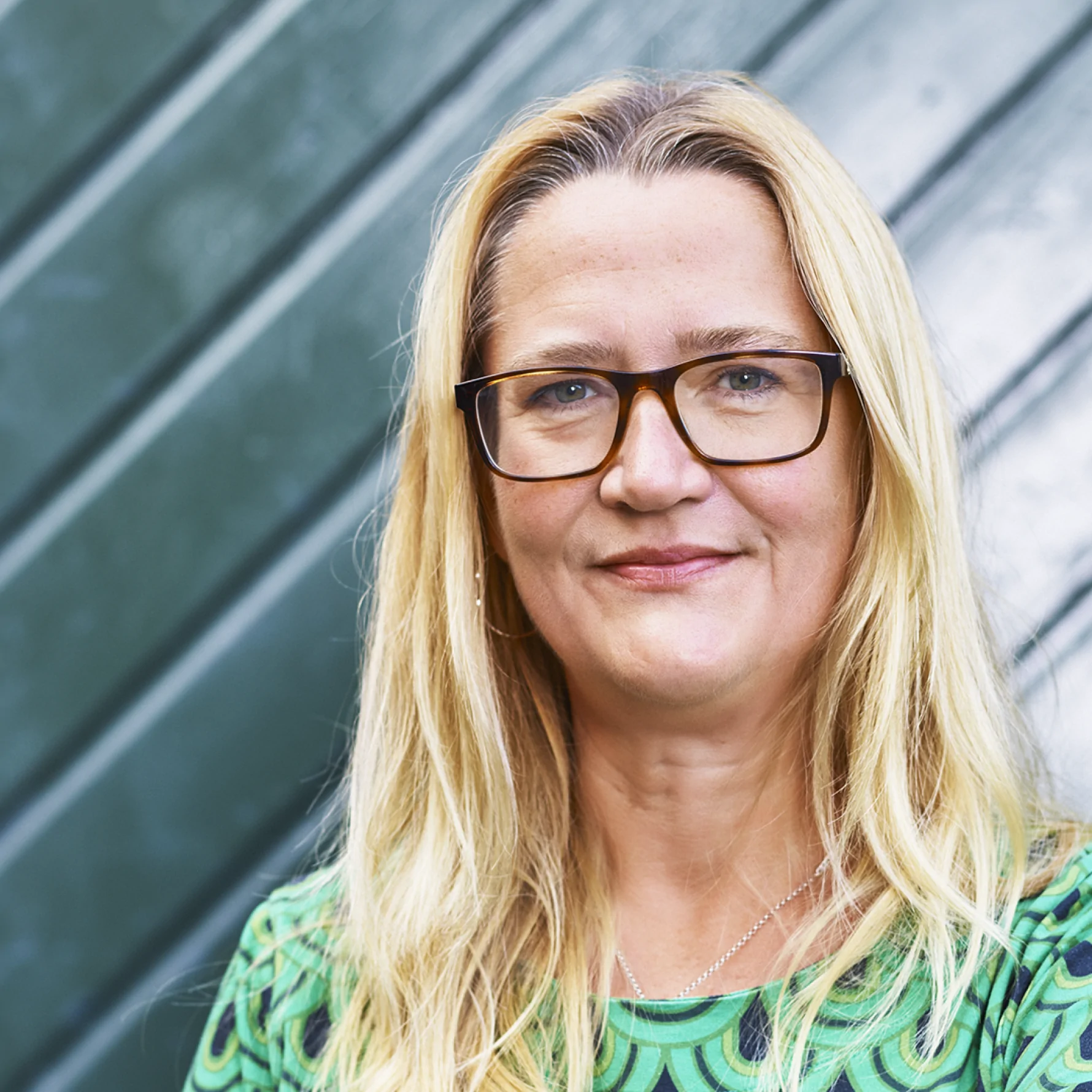
Erika Rapp, Sustainability Manager at Menigo, talks about carbon offsetting and their long-standing collaboration with ZeroMission.
How does Menigo work with sustainability?
In order to make real progress in sustainability work, it must be ongoing at all levels within the company. Strategies and set goals become reality through the daily work and follow-up of our employees. Our sustainability work is divided into three main areas: product, planet, and person. Each "p" is in turn linked to the global goals.
Thanks to our international owners, we also collaborate with colleagues at European and global level. This gives us even greater leverage in what we do.
Why does Menigo choose ZeroMission a partner for its sustainability work?
We are constantly working to reduce our impact throughout the value chain, but we are unable to reduce everything. We have therefore chosen to put a price on our emissions, and the size of our carbon offsetting is calculated and based on the emissions measured in our climate report (scope 1 and 2, as well as parts of scope 3).
Our long-standing collaboration with ZeroMission enabled us to co-finance several projects in different locations. It is important to us that the initiatives are third-party certified and that ZeroMission continuous contact and follow-up with the projects.
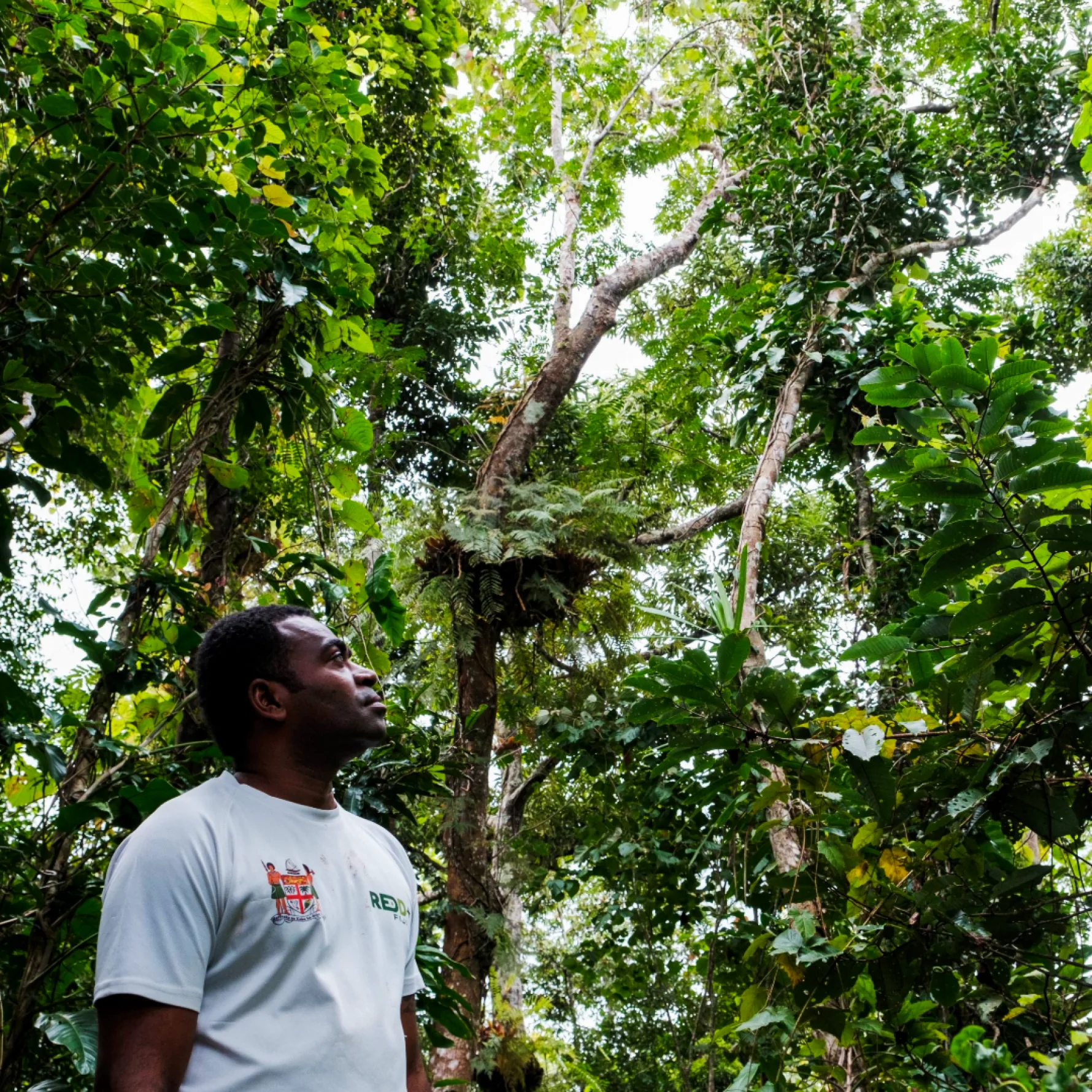
Menigo provides carbon offsetting for projects that contribute to social benefits and emission reductions.
How does Menigo choose which projects to finance?
We want the projects to be based on local needs and to contribute to long-term positive development – both locally and for the planet as a whole. The projects we have chosen include replacing traditional stoves with more energy-efficient alternatives, protecting mangrove forests from destruction, and paying farmers for well-maintained trees on their land so that they are not cut down.
Several of the projects also lead to social gains such as education and income, which in turn enable children to attend school. We want the projects to contribute to both emission reductions and social benefits.