Fred Kihara on biodiversity and climate responsibility in Kenya
September 4, 2025
For 20 years, ZeroMission has always prioritized and highlighted the value of close contact with the climate projects we work with. The Upper Tana project in Kenya is no exception. At the end of August, Fred Kihara, who is on the project's board, visited our office, here you can read our interview.
At ZeroMission , close contact and continuous dialog with the climate projects we work with has been a given since the start in 2006. We think it is a winning concept for the projects, for us as a company, for the climate and for you as a buyer of credits.
In addition to the annual follow-ups and recurring project visits we make ourselves, it is extra fun when representatives from the projects can visit us at the office in Stockholm, something that happened at the end of August when we were visited by Fred Kiraha - board member of the Upper Tana Nairobi Waterfund Trust project in Kenya.
The Upper Tanna project works with over 140 000 smallholder farmers outside Nairobi to better manage their land in exchange for performance-based payments. Following a visit from UTNWF, farmers are supported in creating a farm-specific action plan where the most impactful measures are discussed and implemented.
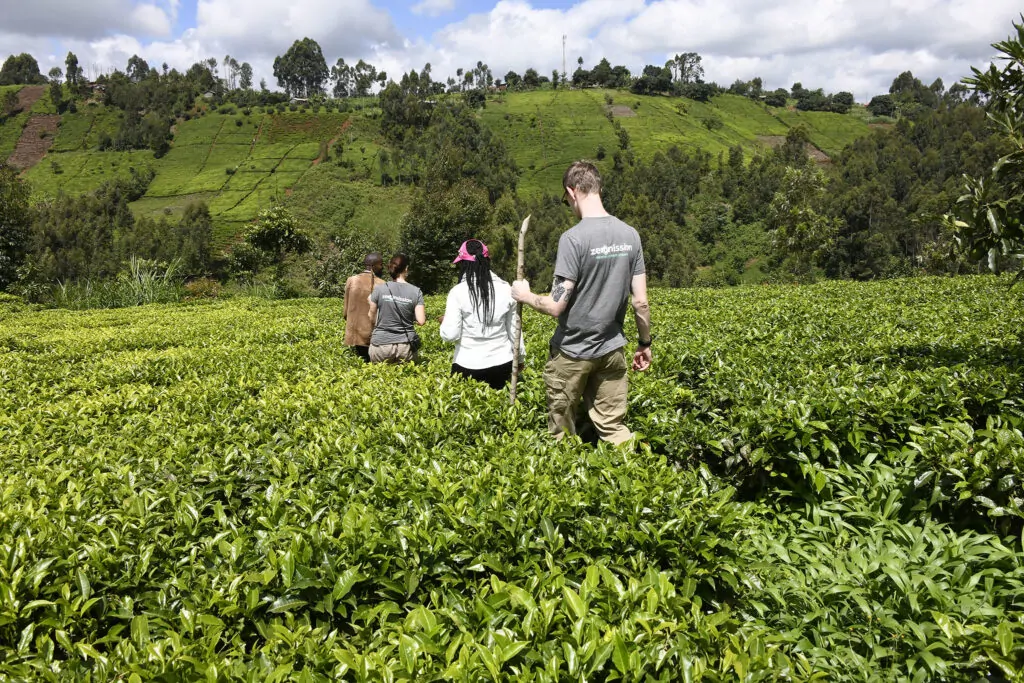
ZeroMission visits the Upper Tana project in Kenya in 2023.
Step one is usually to start terracing sloping land and plant the tall growing Napier grass along the terraces. Terracing prevents erosion, keeps the soil fertile and prevents silt from entering downstream water reservoirs. The roots of the protein-rich grass also stabilize the soil, while parts of it can be harvested and used to feed livestock.
In the next step, native trees are planted to increase farm yields, support biodiversity and provide the opportunity to create carbon credits. All materials and seedlings are provided free of charge by the project organization.
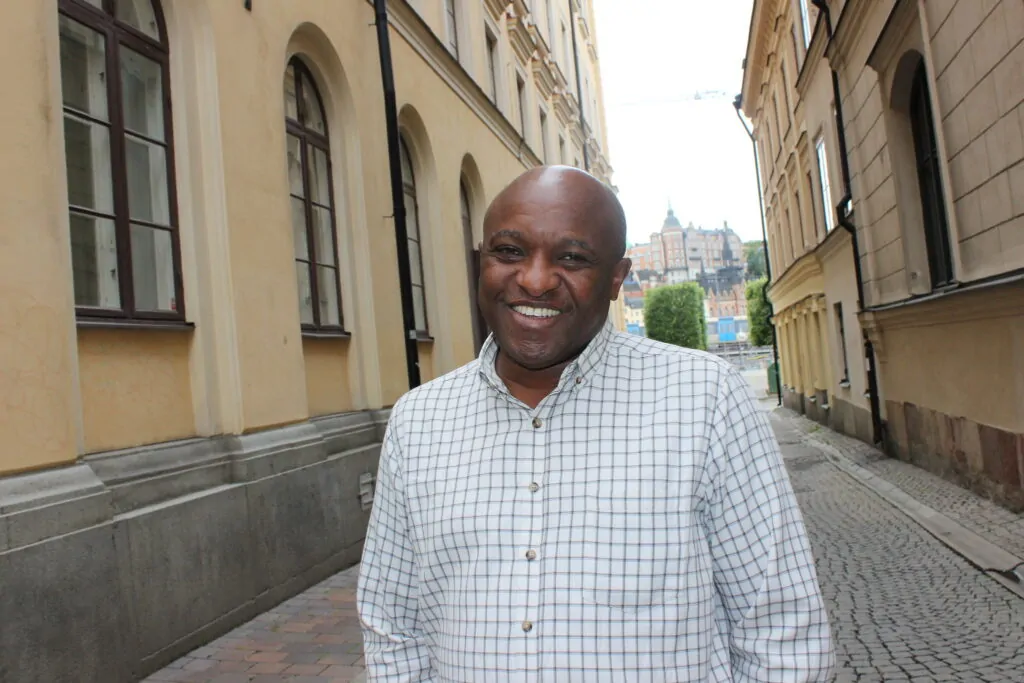
Fred Kihara during his visit to Stockholm in late August 2025.
Hi Fred, tell us a little about yourself!
I am an agricultural engineer by training and have spent a lot of time working with smallholder farmers to promote sustainable land use on their farms. I have also worked extensively on improving their farming systems by introducing techniques or alternative harvesting methods that increase productivity.
I have also spent some of my time designing community-based conservation programs and reflecting on the interaction between farming communities and wildlife areas, to ensure that there can be a level of coexistence and tolerance between people and wildlife.
What would you like to tell companies buying carbon credits in the project?
The Upper Tana project is designed to provide multiple benefits and is based on collaboration with smallholder farmers. Each farmer strives for food security and to have well-managed farms - and that is therefore our primary focus in the support they receive from the project organization.
Farmers commit to implementing the recommended improvements and techniques that we recommend, while we commit to providing support in the form of knowledge, equipment and materials needed for them to succeed.
Part of the effort involves tree planting. There are areas that used to be forests, which are now being restored to healthy public forests. But it's also about integrating trees into different farming practices - something we call agroforestry .
Moreover, thanks to the project's benefits, farmers will be able to get clean water directly into their homes every day. This is a big win, almost priceless. It keeps people healthy, gives them safe drinking water and reduces disease. The funding comes from the sale of carbon credits, which makes all this possible.
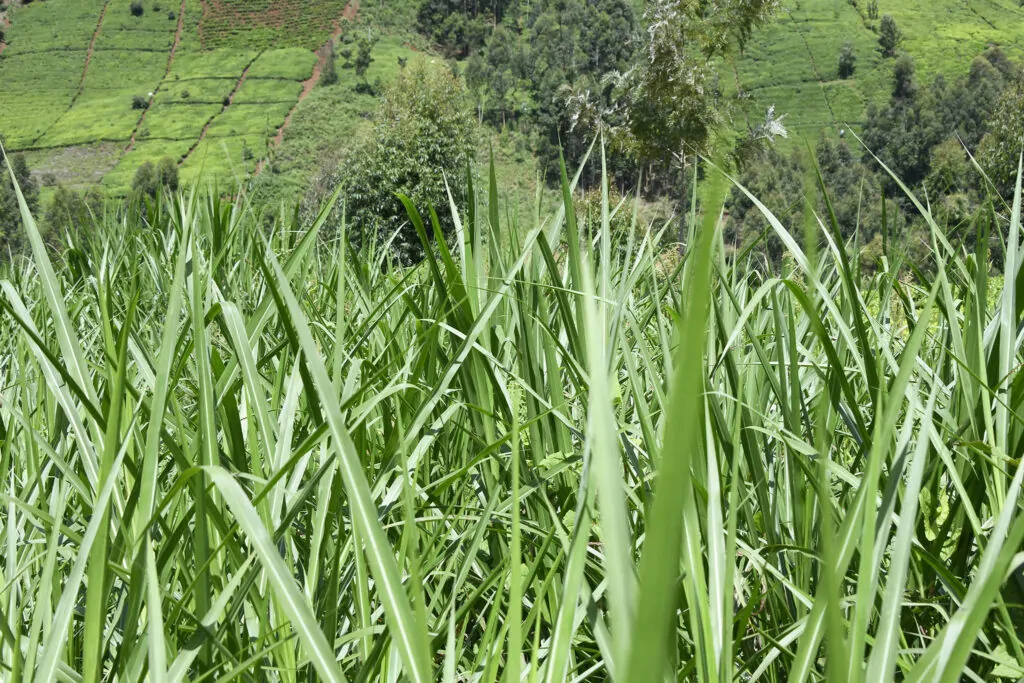
The tall napier grass binds the soil with its roots, preventing soil erosion, and can be harvested for use as fodder.
Why do you think the project has proved so popular with smallholders?
Part of the project's strength lies in the degree of organization it creates among farmers - they become like one big cooperative movement. They work together, learn together and define what support is needed - together.
The Upper Tana project provides them with what they need: materials, trees, fruit tree seedlings and rainwater harvesting facilities, all to ensure that they can do their regenerative agriculture properly. This is precisely why I would say that the model is quite unique.
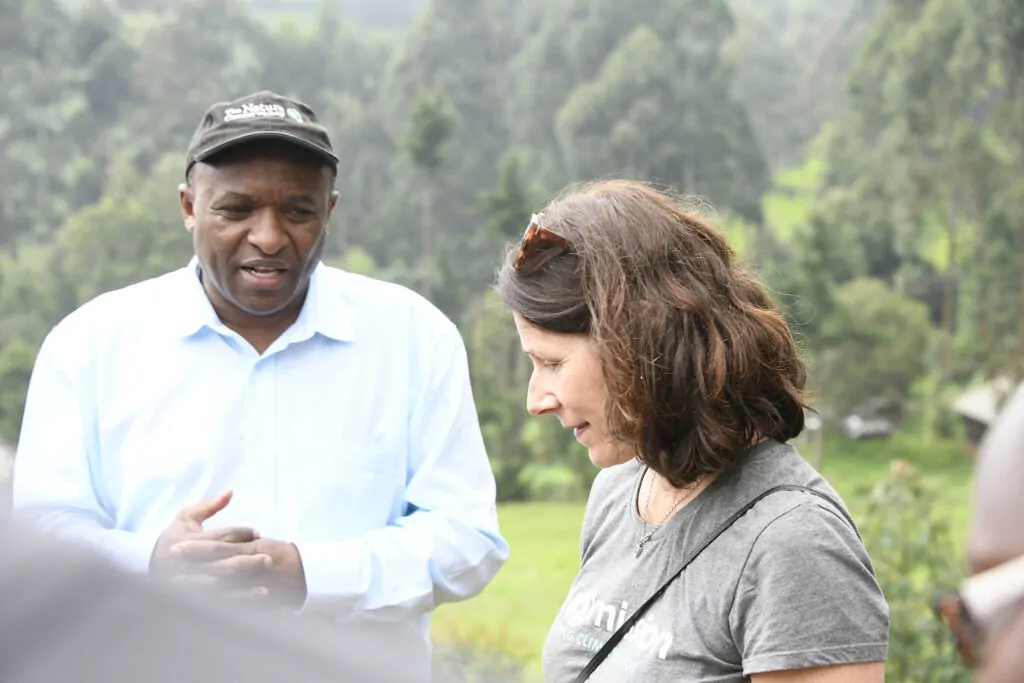
Fred Kihara and Maria King during ZeroMission's visit to Kenya in 2023.
What is the main way the project supports smallholders?
What farmers value highly is access to qualified advice, having someone come to their farm and see the big picture of the whole farming system.
They also grow fruits and nuts, such as macadamia nuts and avocados, which have become a major market. In fact, Kenya is now the world's fifth largest producer of avocados (previously it was ninth).
This extra income changes families' lives: children have better access to education and the quality of life improves for many households. Women benefit in particular, as they are able to sell more milk, fruit and vegetables - empowering them and allowing them to invest in their families.
At the same time, the positive effects on nature are increasingly visible: rivers are becoming healthier and populations of rare and endangered species are growing in forests, wetlands and waterways.
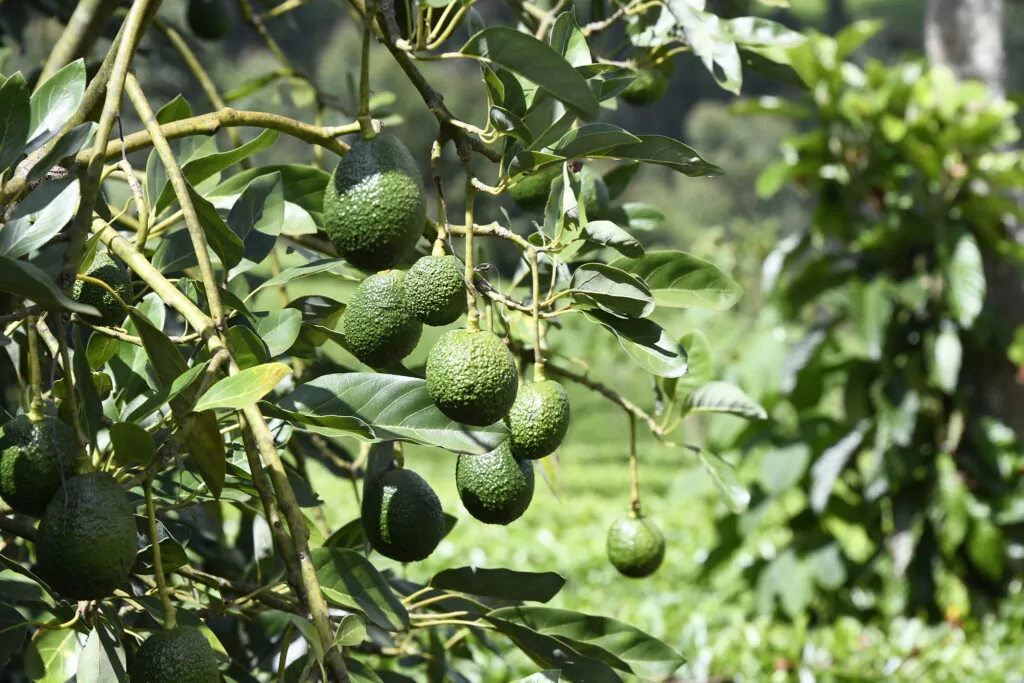
The planting of avocado trees in the project has been so successful that it has helped to strengthen Kenya's export opportunities.
What do you think the project will look like in five years?
I believe that by that time we will have even more successful climate projects generating carbon credits, sustainable financing for nature-based solutions and positive and lasting impacts.
Has it ever been difficult to find smallholders willing to participate in the project?
It was difficult at first. There were not many clear examples of projects where the public and private sectors were working together on nature conservation issues. We were also faced with the reality that the amount of tree seedlings and other planting material in the region was very limited. We also didn't have much funding and had to use the funds we had very sparingly.At first we started with a few hundred, but then the number grew. Now we have many new requests.
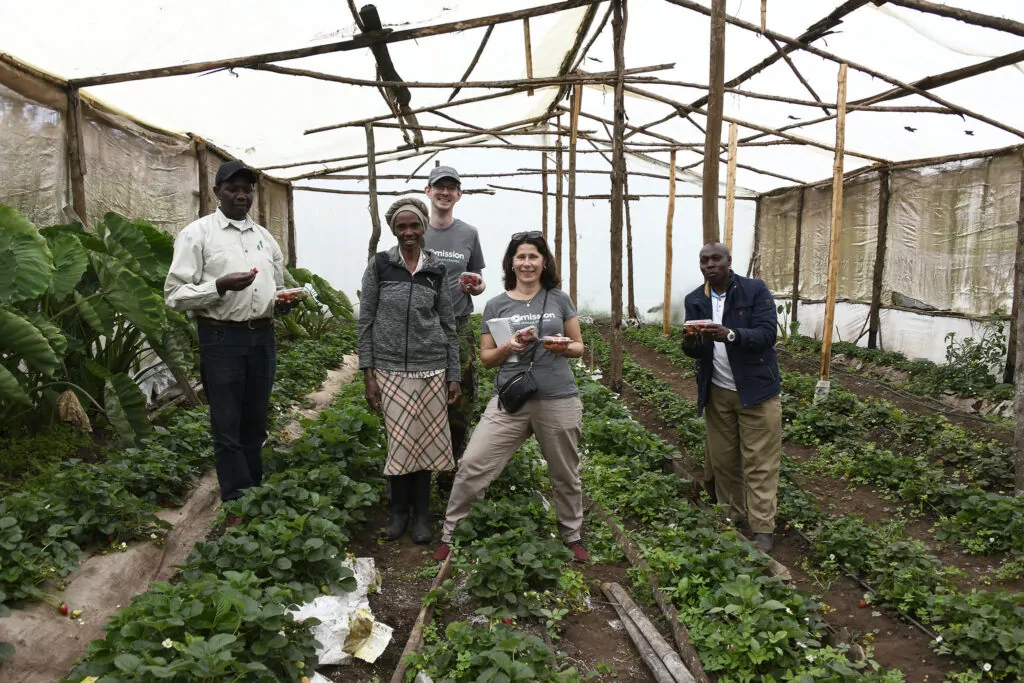
ZeroMission's Ash Farber and Maria King at the home of smallholder Mrs. Felice and her famous strawberry farm.