Honey from the rainforest
May 16, 2025
The Drawa Forest Project on the island of Vanua Levu in Fiji not only generates certified carbon credits. As part of creating a diversified income and strengthening community resilience, locally produced and highly valued honey is also sold. You can read more here.
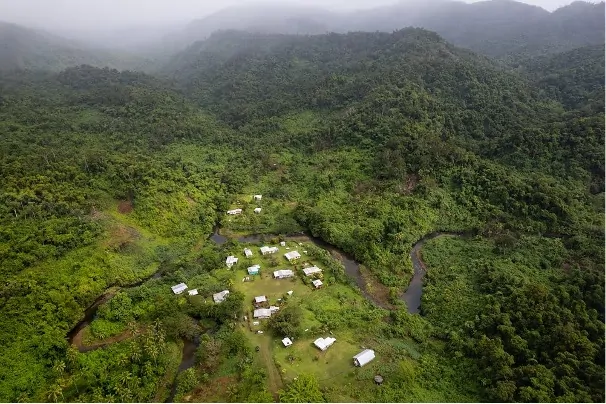
When eight mataqali (traditional land-owning clans or groups within Fijian society) from the Drawa community joined forces in 2015 to start a forest-based climate project, five of these also took the opportunity to jointly develop a community-based enterprise with the aim of creating a specific product: rainforest honey.
Some of the villagers had already received some beekeeping training from the Fijian government. They felt that a honey business would contribute alternative sources of income to their communities and families, in addition to the sale of carbon credits. At the same time, the nearby Drawa rainforest would be protected from logging.
Ten years later – and despite some challenges along the way – the honey from Drawa is as pure as ever, nourished by the rainforest and the flowers of the nearby gardens. Now the project owners are ready to expand their honey business.
A company owned by the community
Drawa's honey project and business are run by the Drawa Block Forest Community Cooperative (DBFCC), the community-owned entity that also manages Drawa's climate project.
As the model for selling carbon credits was still under development in 2015, a start-up grant from the New Zealand government helped the cooperative set up beehives in five mataqali, build a storage facility and purchase equipment to process the honey.
When the climate project was verified and income from the purchase of carbon credits began to flow in during 2018, the cooperative was able to use these revenues to purchase raw honey from the honey-producing mataqali clans. A model that has continued ever since.
The DBFCC is also responsible for processing, bottling, marketing and selling the honey – the revenues are reinvested in the cooperative to cover land rent for the storage facility and ongoing payments to the honey producers for the raw honey each season.
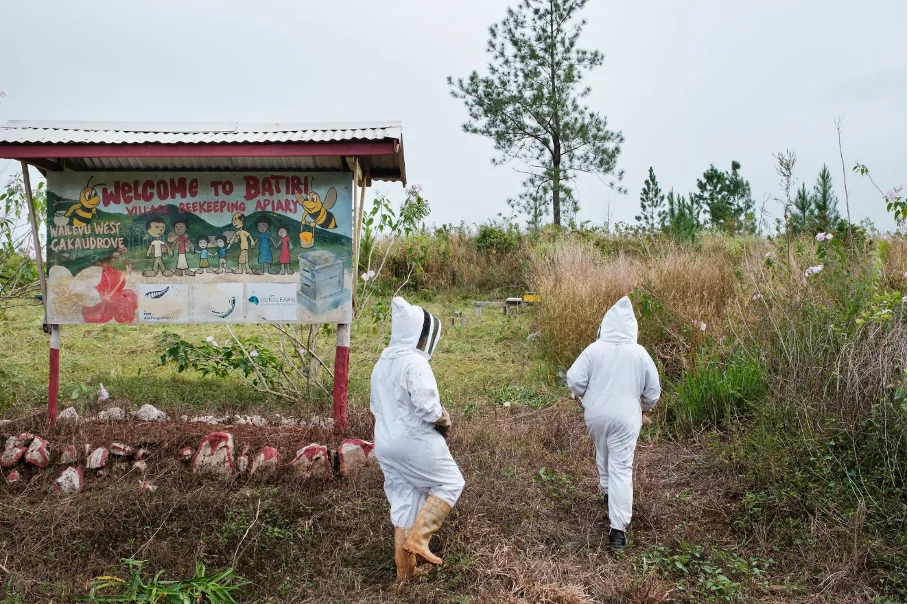
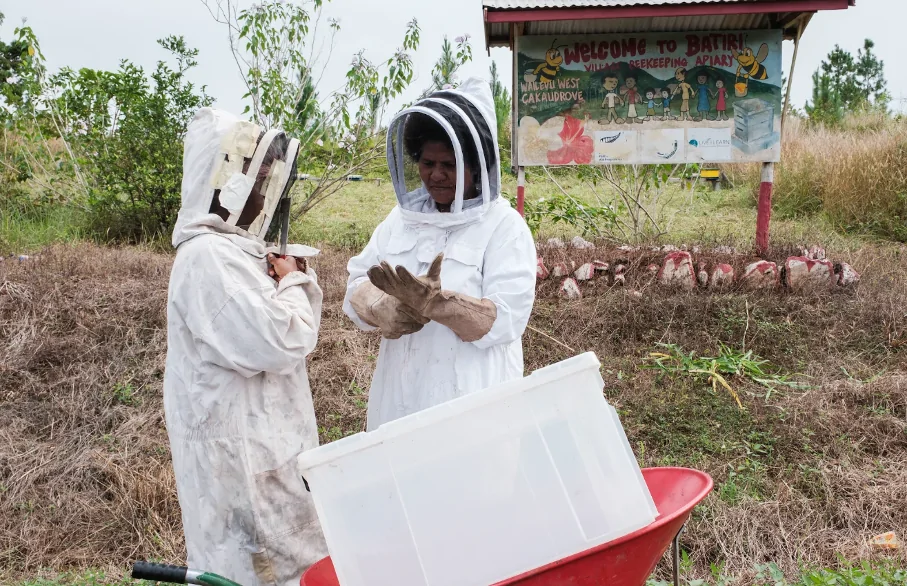
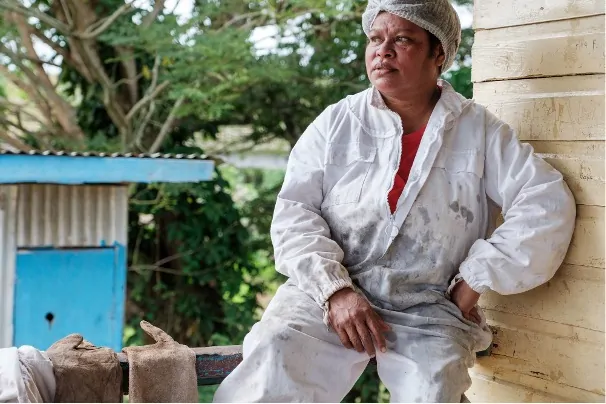
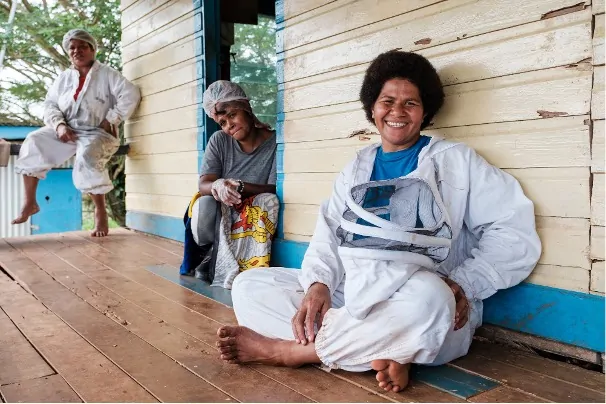
Sometimes the cooperative hires honey farmers such as Ani Matamosi and Vilomena Tagiteci (pictured below) from the village of Batiri to extract and process the honey, especially during years with abundant harvests.
When the honey flows
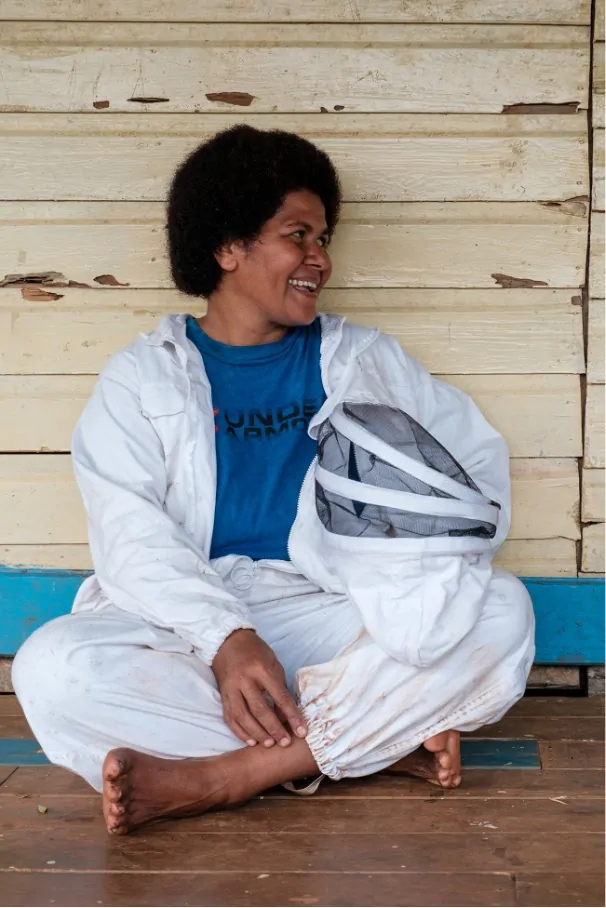
The honey harvesting season starts in June and can last until December. DBFCC's business manager, Waita Curuvale (pictured below), says that although the mile-a-minute flower (''dipogon lignosus'', the plant lacks a name in Swedish) is not the bees' main food, it is the primary indicator for honey farmers that there is honey in the hives.
“When ‘mile-a-minute’ starts to flower, the honey flow starts,” says Waita. “The bees also feed on all the fruit trees [in the gardens] and on the flowering fruit trees in the rainforest.”
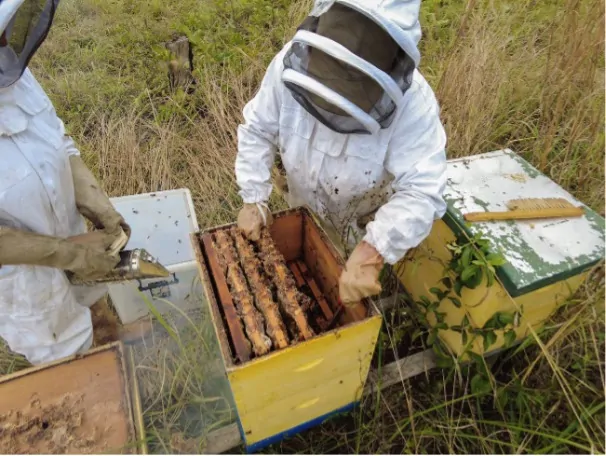
Once the frames with raw honey have been carefully removed from the beehives with the help of smoke to keep the bees away, the honey producers take their honey to the processing facility located at the cooperative's headquarters just outside the village of Batiri.
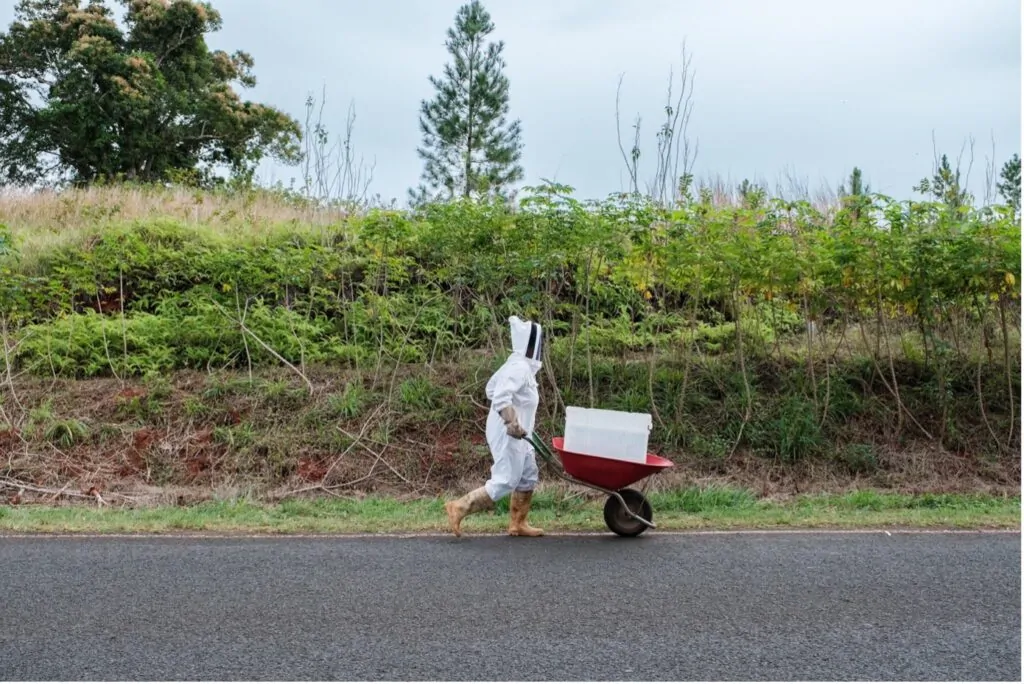
It is a short walk from the Batiri beehives to the honey processing facility. But other mataqali – which extend all the way up to Drawa village – have to transport their honey by truck.
Processing the honey
Extracting honey from the beehives is the first step in the production of Drawa's rainforest honey. Waita explains the process:
“From a full beehive we can produce 20 kg of honey, from a half-full one it will be around 10 kg,” she says.
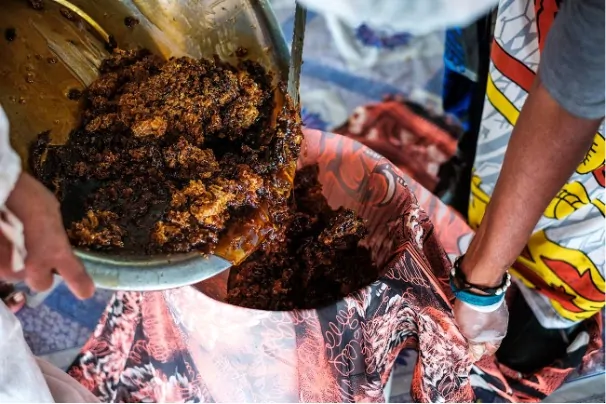
“After the producers harvest the honey, the cooperative members will extract the honey. The women do it because they are perfect for it … and sometimes, if the season is good, we hire women from more mataqali to help out.”
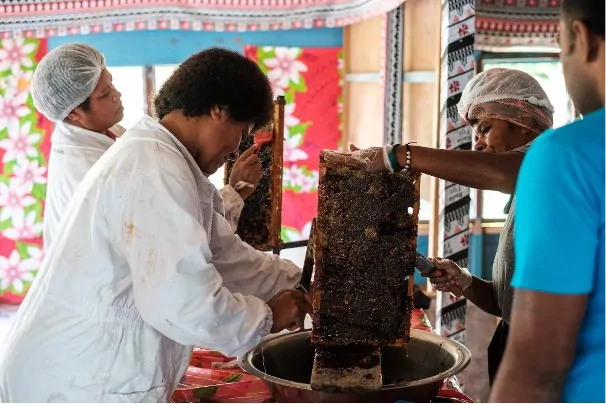
“We let the honey sit for two weeks to settle and for the moisture to come up, then we dry off the moisture. When there is no longer any white foam on top of the honey and when the moisture percentage is less than 20 percent, then it is a good time to bottle.”
The Drawa cooperative has a small but established market through the Live and Learn network in Fiji, The Pacific Community and a wholesaler from Suva who always buys honey in large quantities.
“Our customers choose it because it is pure honey. Once they have tried it, they only want Drawa honey,” says Waita.
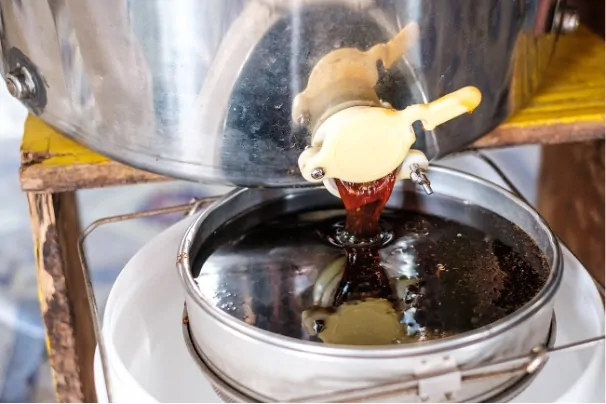
Once the honey is bottled, labeled and shipped to market, it can be sold for $10 for 250 ml, $20 for 750 ml or $18 per kilo when purchased in bulk.
But, Waita explains, some is also reserved and sold in small 50-cent packages to local communities and other nearby villages on Vanua Levu.
Challenges along the way
The Drawa honey is among the best in Fiji, but producing honey in a tropical climate presents challenges. The biggest challenge for Drawa has been cyclones.
The honey project started with five participating mataqali and about 25 beehives in each village, but two devastating tropical cyclones and invasive varroa mites have recently destroyed many of the beehives. In 2024, only two mataqali, Batiri and Lutukina, were able to supply honey for sale – both with fewer beehives.
“The beehives were destroyed by cyclones Yasa and Ana in 2020 and 2021,” says Waita. “Another thing was the varroa mite. Biosecurity was there and checked, and they burned boxes themselves. Not just ours, but also other [honey] producers' beehives.”
This is a challenge that DBFCC is keen to solve, and the cooperative is now looking for ways to support the revival of the honey business and bring back committed honey farmers who have lost beehives in the project.
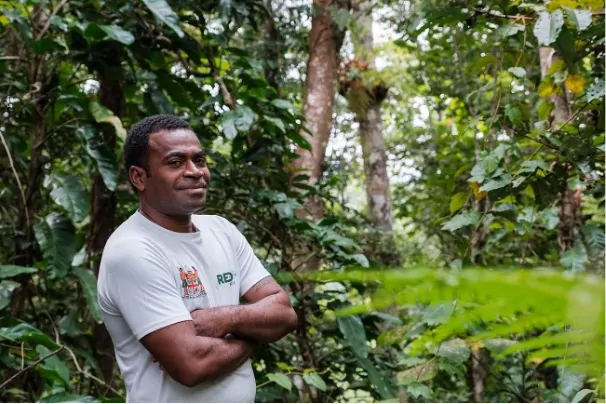
“They already have the knowledge, the workforce is there,” says Jerry (below). “It's just the beehives that were destroyed by Yasa.”
Next steps on the way
Rainforest honey as an alternative source of income is important for the mataqali clans participating in the Drawa Forest Carbon project. Currently, the Drawa Block Forest Community Cooperative is seeking support and grant opportunities that will enable them to further rebuild the honey business and continue to provide their customers with the renowned Drawa honey.
The Nakau Drawa Forest Project is currently supported by Climate Resilient by Nature, an initiative from the Australian Department of Foreign Affairs and Aid and WWF-Australia, and implemented by Nakau and Live and Learn.
Drawa's honey business was established with support from the New Zealand Ministry of Foreign Affairs and Trade.
Link to original text.