Carbon credits
A carbon credit represents one metric ton of carbon dioxide that has been sequestered, avoided, or reduced in a validated and certified climate project. It is an effective way for your company to manage its climate impact.
What is a carbon credit?
What does the research say about carbon credits?
The research is becoming increasingly clear: humanity cannot keep global warming at a safe level simply by reducing emissions. We must also find ways to capture the carbon dioxide that is already in the atmosphere. Investing in removal credits—carbon credits that sequester carbon dioxide directly from the atmosphere—is an effective way for companies to contribute to this effort.

How much does a carbon credit cost?
Our recommendation
ZeroMission calls on all companies—large and small, international or local, manufacturing or service-based—to purchase carbon credits that at least offset emissions from the Greenhouse Gas Protocol’s Scopes 1 and 2 (combustion and purchased energy) as well as travel. We view this as the minimum level of emissions that companies should offset. The vast majority of companies have emissions in precisely these categories, and the figures are usually easy to determine.

What is the difference between carbon credits and emission allowances?
What makes a carbon credit credible?
ZeroMission believes that there are several fundamental principles that determine whether a carbon credit is of high quality:
• Additionality. The climate benefit would not have occurred without the revenue from the carbon credits.
• Verifiability. The carbon credits are verified according to a recognized, credible standard.
• Traceability. The credits have a specific serial number that enables traceability.
• Measurability. It is possible to measure that the climate benefit has occurred or will occur according to specified methods.
• Persistent. The climate benefits persist for a reasonable period of time, even if project activities cease.
• Contribution to sustainable development. Climate projects contribute to several of the UN’s Sustainable Development Goals, in addition to the climate benefits.
All projects offered by ZeroMission are certified according to established standards that meet these requirements.
Frequently asked questions
Purchase Carbon Credits
-
Which companies can purchase carbon credits?
Any company can purchase carbon credits. Anyone can finance climate action in this way, including private individuals. The most common example is offsetting emissions associated with travel or the purchase of newly manufactured products.
-
Why do companies buy carbon credits?
The reasons vary. Common reasons include stakeholder demands, procurement processes, regulations, or marketing activities. Many companies also purchase carbon credits out of a sense of responsibility: even with significantly reduced emissions, all companies have a climate impact right now. We urge all companies to purchase carbon credits that offset that impact.
Types of Carbon Credits
-
How are " carbon offsetting " and "kolkrediter" related?
A carbon credit is the actual product that a company purchases to manage its climate impact. carbon offsetting is the term for the activity—that is, purchasing carbon credits.
-
What types of carbon credits are there?
Climate projects are generally divided into two categories:
- Technical projects —that reduce or eliminate emissions through technology, such as machines that capture carbon dioxide, or by replacing fossil fuel combustion with fossil-free energy.
- Nature-based projects —preserving forests or planting trees and other plants to increase carbon sequestration naturally.
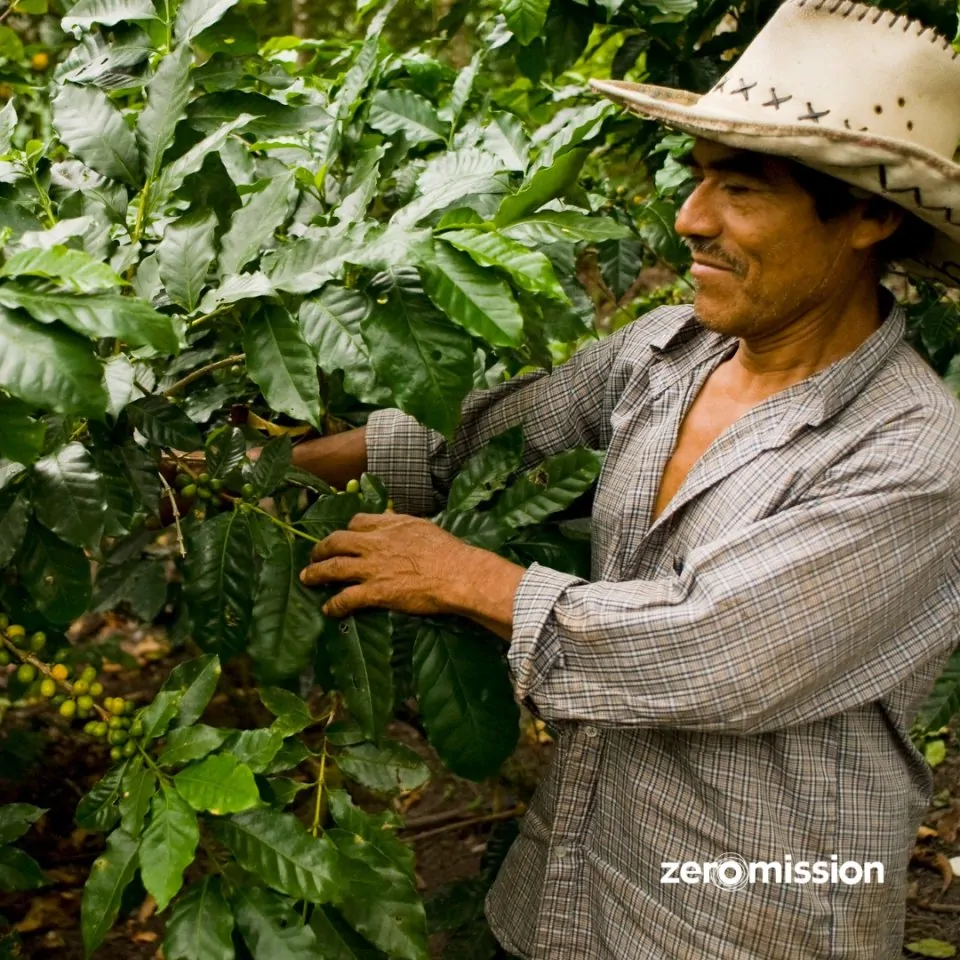
Both types exist in Sweden and internationally. For example, ZeroMission is working on a project in which Swedish private forest owners receive funding to preserve their forests instead of harvesting them, through the sale of carbon credits. Another example is our climate project in Mexico, where we have been collaborating since 1997 with smallholder farmers who plant trees alongside their food crops.
Carbon Credits in Standards
-
Where do carbon credits appear in standards?
Within Science Based Targets the Science Based Targets initiative (SBTi), carbon credits are considered a possible activity under the umbrella term OER—Ongoing Emissions Responsibility. The SBTi’s Corporate Net-Zero Standard, released in June 2026, describes how all companies need to manage their ongoing climate impact. This can be done in several ways, and climate research, carbon credits, and internal carbon budgets are examples of activities accepted under the framework.
Other services



We help you pick up the pace
Contact us for an informal meeting on how to calculate, reduce or take responsibility for your emissions through the purchase of carbon credits.
Latest News
Sign up for our newsletter.