Coal Loans in a New Era – From a Fragmented to a Mature Market
September 21, 2026
Three to ten times. That’s how much larger the shortage of high-quality carbon credits could become by 2030, according to McKinsey. The market for voluntary carbon credits has long struggled with its reputation for being fragmented and difficult to audit, but stricter requirements in recent years are reshaping the playing field. Here, we’ll go over what has changed, which projects are succeeding, and why those who act now have a significant head start.
The Three Most Important Insights
- According to McKinsey, the supply of high-quality carbon credits could be 3–10 times less than demand by 2030.
- The SBTi’s updated corporate net-zero standard makes carbon credits a requirement, rather than a voluntary supplement.
- Nature-based solutions provide climate benefits beyond carbon dioxide: biodiversity, ecosystem services, and local resilience.
From a Skeptical Market to Stricter Quality Standards
The carbon credit market has sometimes been viewed with skepticism. The market was fragmented, the quality of the credits was inconsistent, and there was a risk of low credibility, which led to the climate benefits of the credits being called into question as well.
But a lot has happened. Today, voluntary carbon credits are on their way to becoming an essential tool in serious climate strategies, and there are clear advantages for those who act early.
At ZeroMission , we’re also seeing that buyers are setting stricter requirements. Standardization bodies are introducing stricter guidelines, and a number of independent frameworks have been established to ensure that carbon credits actually deliver what they promise.
We see this as a natural evolution. Just as with all products on the market, there is a process of development and improvement over time. A Volvo 740 wasn’t a bad car in the 1980s, but it can’t be compared to today’s models. It’s exactly the same with carbon credits.
One of the most important changes is the Core Carbon Principles (CCP), a framework developed by the Integrity Council for the Voluntary Carbon Market (ICVCM). It sets minimum standards for how a credit should be structured, including requirements for additionality, quantification, and permanence. Not all standards and methodologies meet these requirements, which significantly reduces the supply of what counts as high-quality carbon credits.
At the same time, a similar trend is unfolding in the EU’s Carbon Removals and Carbon Farming Regulation (CRCF) and through the mechanisms under Article 6 of the Paris Agreement, which are now beginning to replace older, established methods. This means that the existing pool of older, low-cost credits is gradually being phased out and replaced by a more limited and regulated market.
Whether or not a company has set Science Based Targets or not, many tend to look to their guidelines for guidance. The Science Based Targets Initiative (SBTi) launched an update to its corporate net-zero standard. The standard not only recognizes carbon credits as an integral part of credible net-zero strategies, but also includes them as a requirement—not as a supplement or a shortcut.
The result of these stricter requirements and regulations is a carbon credit market that is more transparent, more accountable, and more closely linked to actual climate impact.
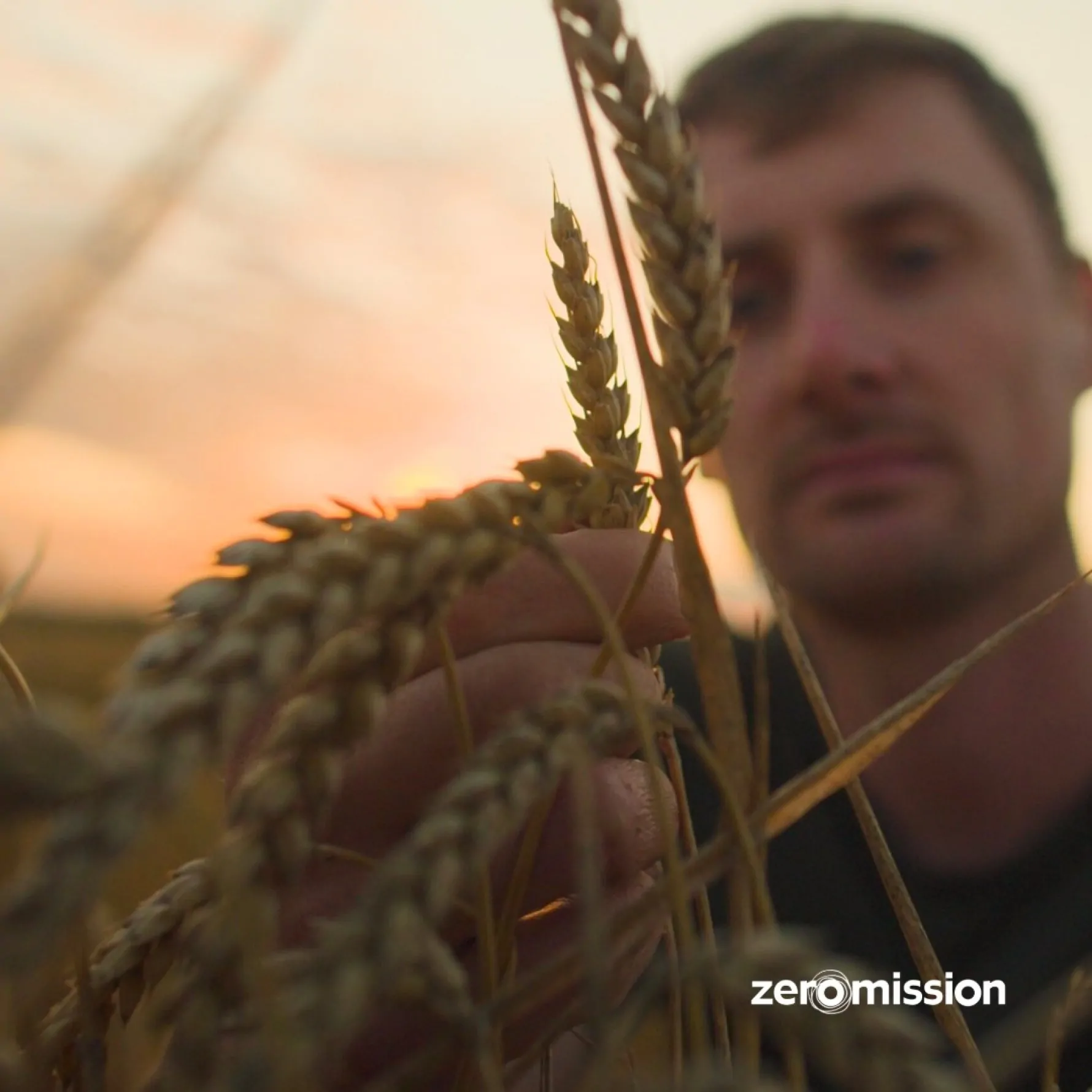
The Core Carbon Principles (CCP) set a new minimum standard for what qualifies as a high-quality carbon credit.
Shortage of supply and rising prices
There is a widespread belief that it is wise to reduce emissions first and purchase carbon credits later. That may sound reasonable. But this strategy can lead to problems for the buyer if they wait too long.
The supply of high-integrity, high-quality credits—the only ones that will stand up to future scrutiny—is already limited, and demand is steadily increasing as more countries and companies set net-zero targets. The management consulting firm McKinsey estimates that by 2030, there could be a shortage of three to ten times the available supply of high-quality carbon credits.*
Furthermore, prices already vary significantly depending on quality. Credits that meet the CCP (Core Carbon Principles) requirements already cost considerably more than other credits. This is not a temporary price difference, but rather the market signaling that quality is valued—and that this trend will only strengthen.
For companies that delay securing access to carbon credits, this poses three specific risks:
- It is difficult to obtain sufficient quantities when they are needed.
- Exposure to significantly higher prices.
- Risk of failing to meet net-zero commitments, with resulting reputational consequences.
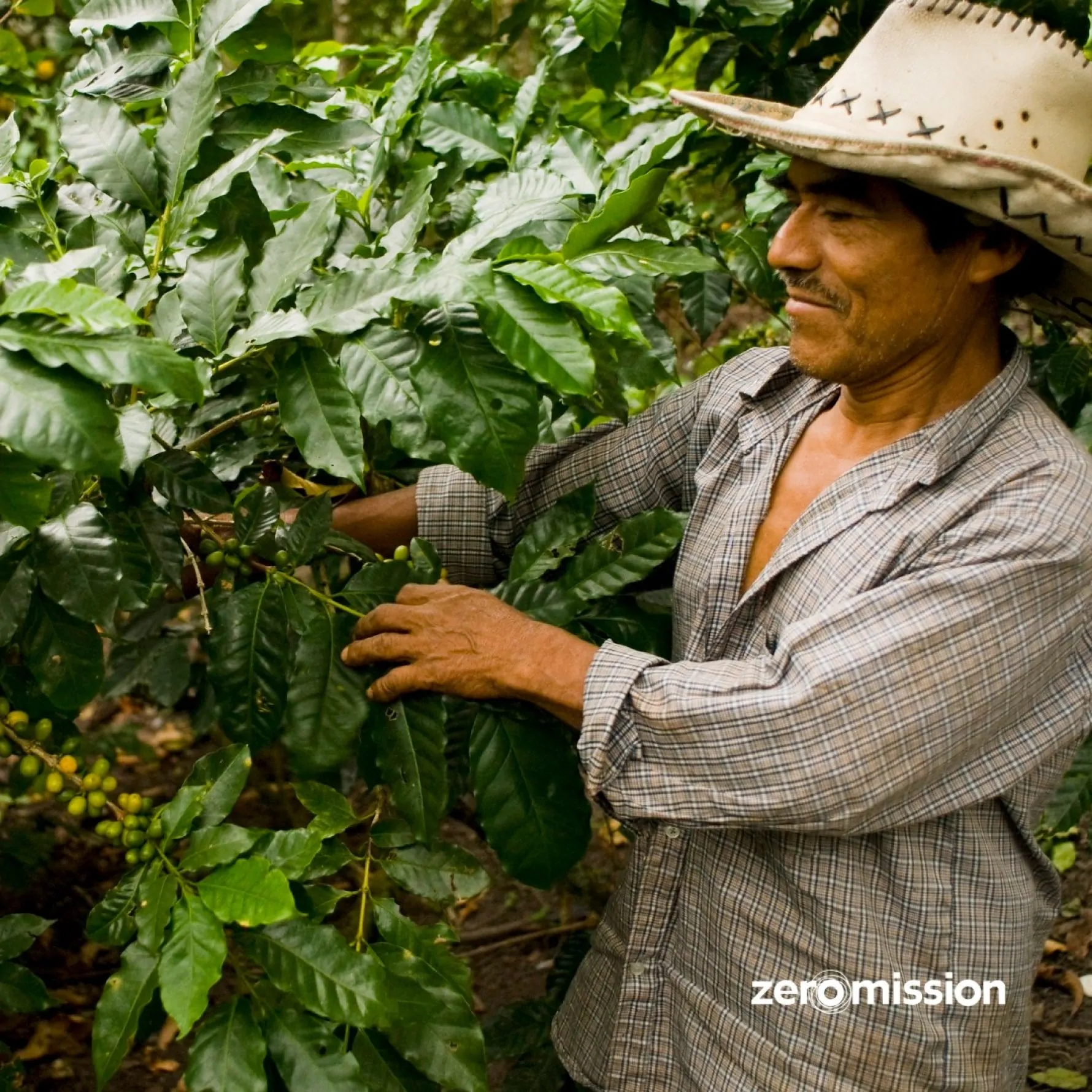
According to McKinsey, demand for high-quality carbon credits is expected to exceed supply even before 2030.
Nature-based climate solutions — more important and more than just climate benefits
Some of the criticism of carbon credits has been directed at nature-based projects such as forests and restored land.
Nature-based solutions (NBS), when well-designed and properly managed, are among the most powerful tools we have for carbon sequestration, taking into account factors such as cost, availability, and scalability. They not only manage carbon dioxide, but also address multiple challenges simultaneously—biodiversity, water quality, erosion, rising temperatures, risk management for local communities, and long-term resilience.
Demand for nature-based removals—that is, credits from projects that actively remove carbon from the atmosphere, such as reforestation and land restoration—has increased significantly.
ZeroMission Since its inception in 2006, the company has focused on carbon credits certified under the Plan Vivo precisely because they have a high level of integrity and help address many social and environmental challenges.
Nature-based carbon credits, at their best, are not just a way to offset emissions. They are an investment in the natural capital on which business and society fundamentally depend.
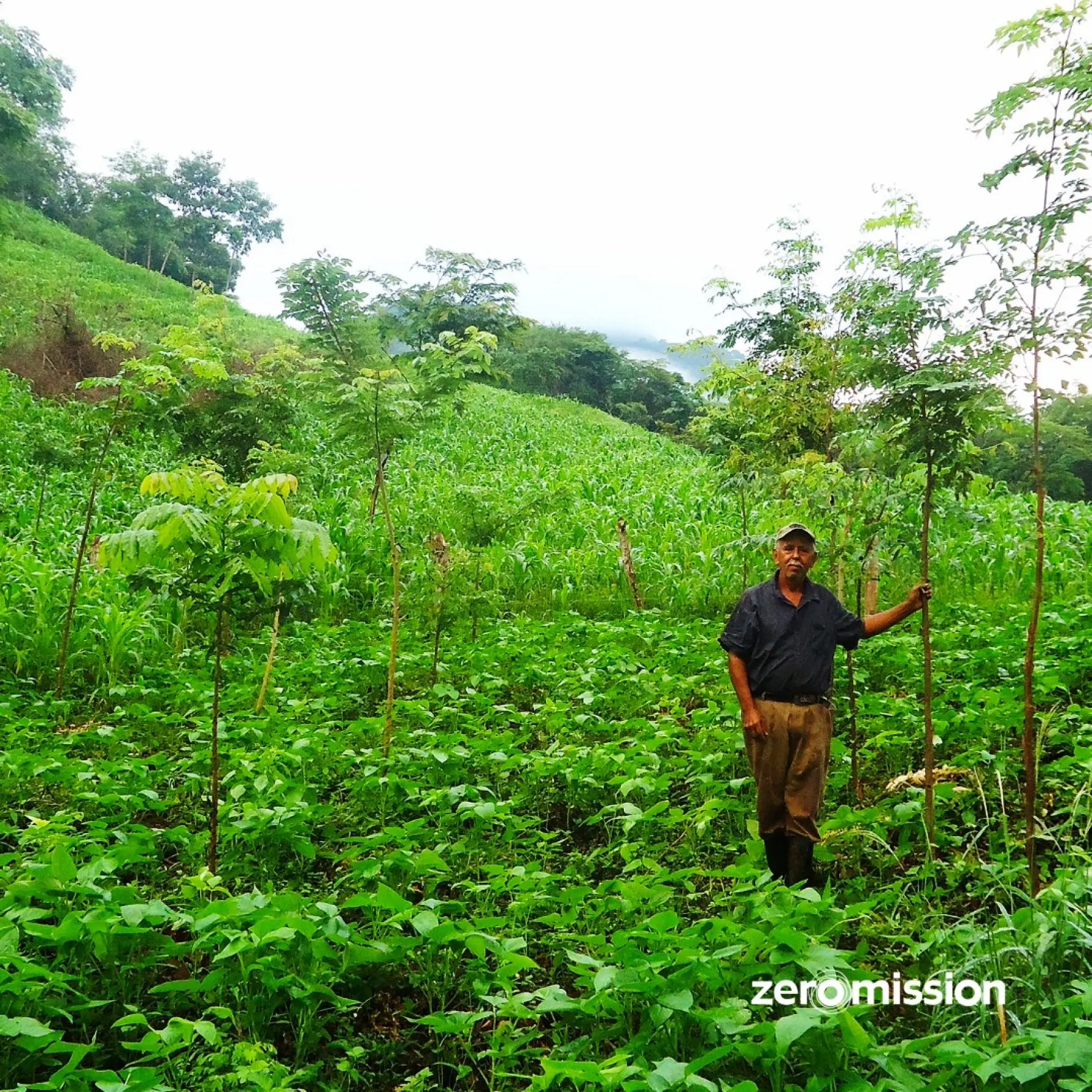
Nature-based carbon credits contribute to climate benefits, biodiversity, and local resilience all at the same time.
What does the future hold for energy projects?
Renewable energy projects have long been the dominant category in the carbon credit market. But that is where the biggest changes are taking place now.
In August 2024, the ICVCM made one of its most controversial decisions to date. Nearly all methodologies in the renewable energy category were rejected, affecting 240 million credits in circulation, primarily from wind and solar projects. Ninety-three percent of the rejected credits came from the old CDM methodology ACM0002.
The reason was additionality. The ICVCM assessed that the projects would likely have been carried out anyway, without the revenue from carbon credits. Today, a wind farm in India or China does not need carbon credits to be profitable. This means that the credits do not represent any actual additional climate benefit.
However, the ICVCM invited the standards to revise their methodologies to address the shortcomings, and Verra launched a revised methodology, VMR0017, which was subsequently approved by the ICVCM. But there are still many old CDM credits in circulation.
This is also where Article 6.4 of the Paris Agreement comes into play, making the whole situation even more complicated.
The CDM, the crediting mechanism under the old Kyoto Protocol, is now being phased out and replaced by the Paris Agreement Crediting Mechanism (PACM) under Article 6.4. The problem is that nearly 80 percent of the CDM projects seeking to transition to the new system are precisely the renewable energy projects that the ICVCM has rejected.
There are hundreds of millions of older energy credits in the system that cannot receive CCP certification and face significant challenges in qualifying under Article 6.4. These credits are inexpensive, and companies should avoid them if they want to demonstrate a credible climate strategy.
carbon offsetting through the Clean Cookstove Project
Cookstove projects, or “clean cookstove projects,” are another type of energy project. The idea is simple and appealing: by replacing open fires with efficient stoves in developing countries, fuel consumption is reduced, and with it, emissions of carbon dioxide and harmful particulate matter. These projects also offer clear social benefits, such as improved indoor air quality, less time spent gathering firewood and fuel, and lower costs for households.
A series of audits revealed that many projects significantly overestimated the amount of fuel actually saved. There were several reasons for this: project evaluators made generous assumptions about how often the stove was used, to what extent it replaced the old fireplace, and whether households actually stopped using the old methods at the same time. As a result, in many cases, too many credits were issued.
The ICVCM required that methodologies for this type of project be updated with conservative and measurably substantiated assumptions, that actual use be monitored on an ongoing basis rather than estimated using a flat rate, and that additionality be clearly demonstrated. Both the Gold Standard and Verra have since begun work on updating their methodologies, and a total of three methodologies have now received CCP certification.
Well-designed stove projects based on careful measurements deliver both environmental benefits and significant social impacts.
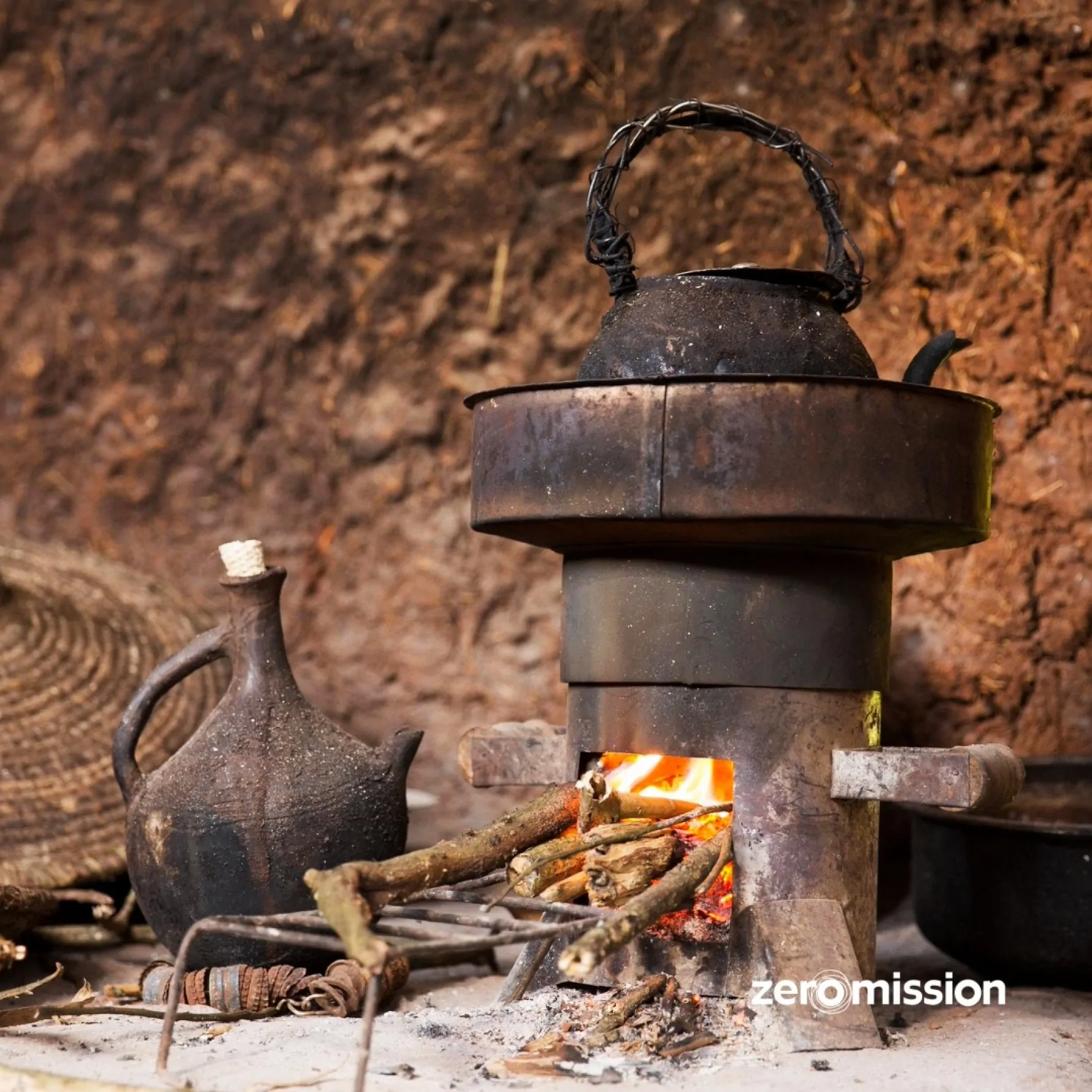
Clean cookstove projects reduce emissions and provide social benefits such as improved indoor air quality.
Why a portfolio strategy is a wise choice when buying carbon credits
Credits from a single project can be vulnerable. Climate risks such as fires, floods, or political changes can affect delivery. Methodologies may be revised. Market conditions change. It’s just like owning a single share and calling it an investment strategy.
A well-structured portfolio of carbon credits spreads risk across project types, geographic regions, and time horizons, and aligns with organizations’ net-zero strategies. The portfolio logic is based on the same principles as those in traditional wealth management: diversification reduces overall exposure and leads to more stable outcomes.
In practical terms, this means that a portfolio can combine, for example, forestry projects in the Global South, a project for regenerative agriculture or biochar in Sweden, and technical solutions such as Bio-CCS. Each component contributes its own specific climate function and risk profile.
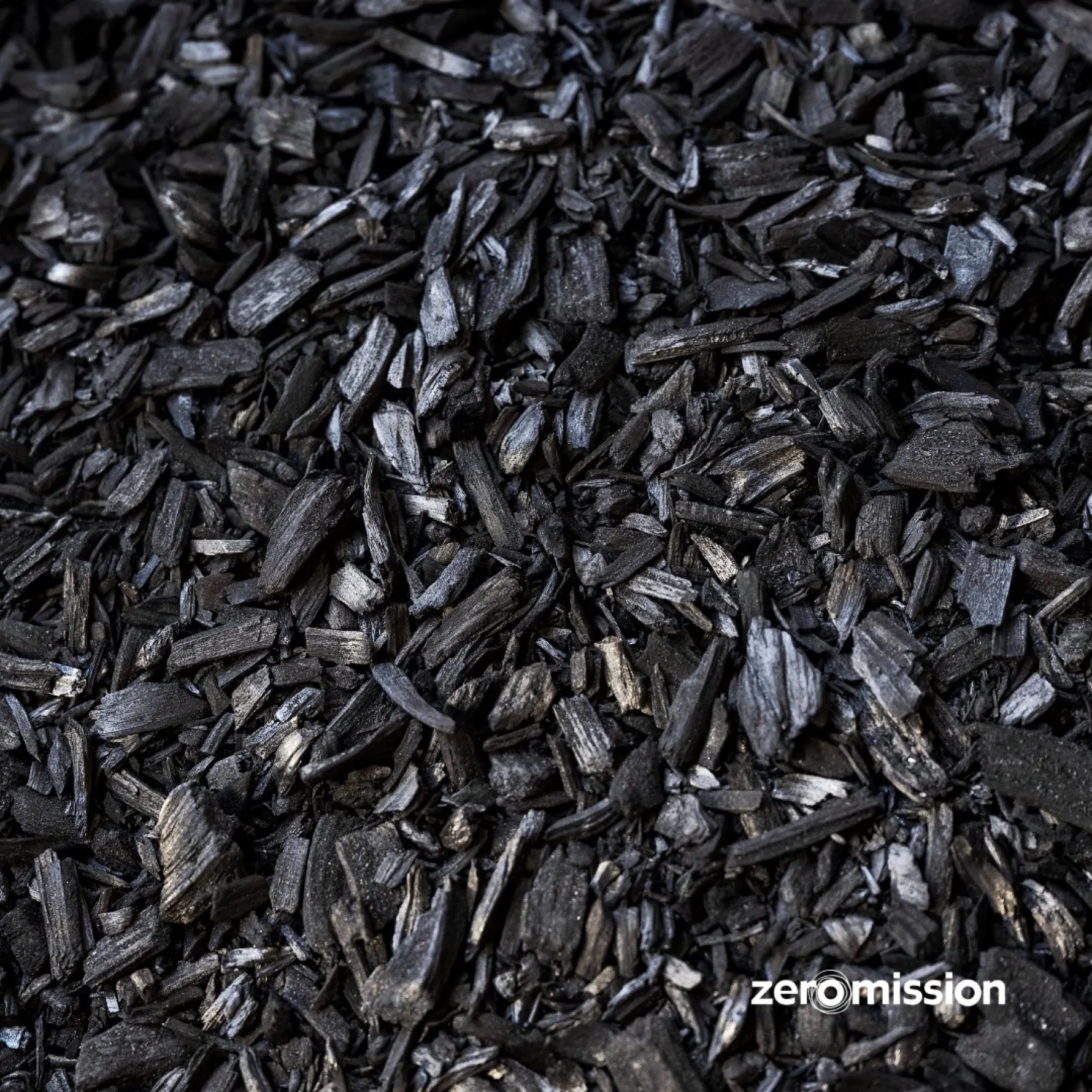
A diversified carbon credit portfolio—which may include, for example, biochar projects—spreads risk across project types, geographic regions, and time horizons.
Carbon credits are essential for achieving net-zero
The Voluntary Carbon Market (VCM) is no longer the fragmented market it once was. Integrity requirements are becoming stricter, oversight is increasing, and the companies that get involved—with the right credits, in the right portfolio, and aligned with a clear climate strategy—are the ones that will succeed the most.
Nature-based solutions play a central role in this. They deliver climate benefits that are difficult to achieve by other means, and they build the natural capital base on which the business sector and society depend. Furthermore, they are already in place and can deliver climate benefits today.
The supply of high-quality credit is limited. Prices are trending upward. Regulations are tightening. And the companies that act now—building portfolios and securing assets—have a structural advantage over those that wait.
Frequently Asked Questions About Carbon Credits
- What is a carbon credit? A carbon credit represents one metric ton of carbon dioxide equivalents that have been avoided, reduced, or removed from the atmosphere through a certified climate project, such as forest conservation, renewable energy, or efficient stoves.
- What are the Core Carbon Principles (CCP)? The CCP is a global framework developed by the ICVCM that sets minimum standards for additionality, quantification, and permanence. Only credits that meet these requirements receive the CCP seal, which has become a clear indicator of quality in the market.
- Are carbon credits included in the SBTi’s net-zero standard? Yes . In the updated corporate net-zero standard, the SBTi recognizes carbon credits as an integral part of a credible net-zero strategy—no longer just as a voluntary supplement.
*) McKinsey & Company, “Matching the Supply and Demand for Sustainable Carbon Removals by 2030.”