How climate change and biodiversity loss are linked
May 22, 2025
Biodiversity is under severe threat and continues to decline. According to the WWF's Living Planet Report 2024, wild vertebrate populations have declined by an average of 73% since 1970, with the largest declines in the Caribbean and Latin America, where over 90% of populations have been lost. Some say we are in a sixth mass extinction. But biodiversity loss also has a negative impact on the climate crisis as one strongly influences the other. Here we explain how.
Climate crisis threatens biodiversity
A higher temperature affects the habitats for all ecosystems globally. Species are forced to adapt, migrate to new areas or risk extinction. This applies particularly to species with a small distribution and which have slow reproduction. If vertebrates, birds, fish and insects migrate to new areas, it affects the existing ecosystems, both the places they disappear from and the new areas they move to, especially if these are already exposed to the stresses of the climate. One consequence is that new predators may appear that ecosystems or specific species have no developed protection against.
In the oceans, too, biodiversity is under serious threat from climate change. According to the Intergovernmental Panel on Climate Change (IPCC), the world's oceans absorb about 25-30% of the carbon dioxide released into the atmosphere each year. This causes the oceans to acidify, which in turn strongly threatens marine ecosystems, such as coral reefs.
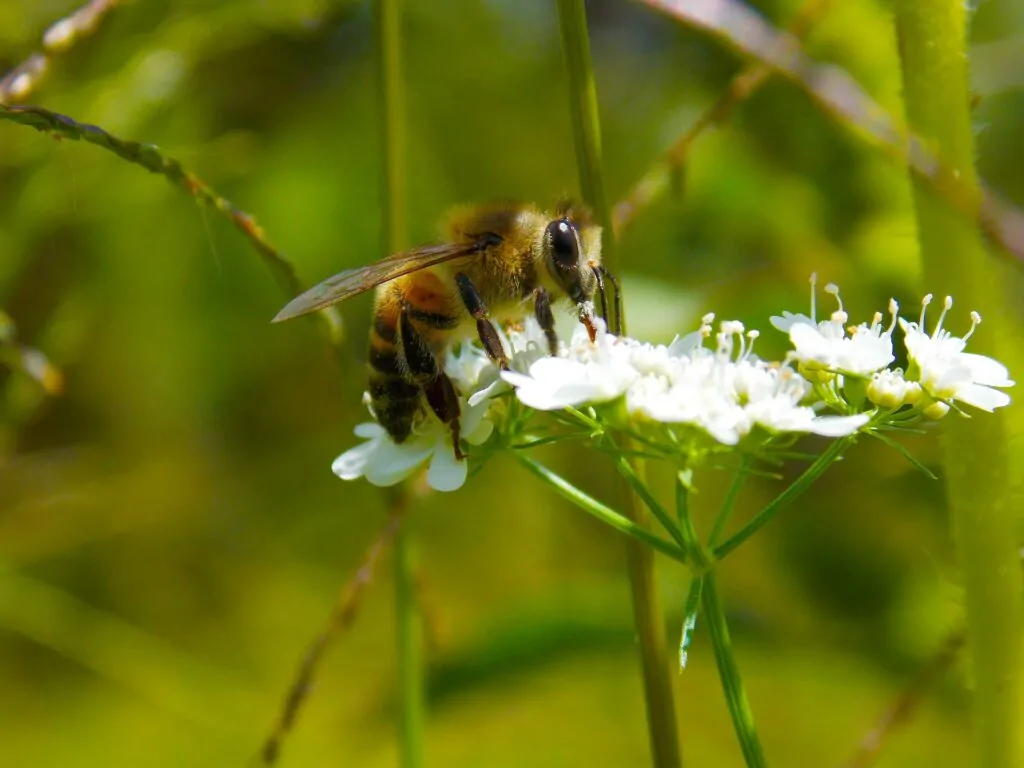
Reduced biodiversity threatens all species of pollinating insects, leading to a decline in vegetation.
Biodiversity loss exacerbates the climate crisis
The functioning of ecosystems and their ability to regulate climate are strongly affected by biodiversity loss, which manifests itself in several ways. Forests and all other vegetation, not least algae in the oceans, sequester carbon through photosynthesis. When forests are cut down or ecosystems are destroyed, the amount of carbon dioxide stored in plants decreases, leading to carbon dioxide remaining as a climate waste and concentrating in the atmosphere. Deforestation also releases carbon dioxide stored in trees, roots and soil, further accelerating the climate crisis.
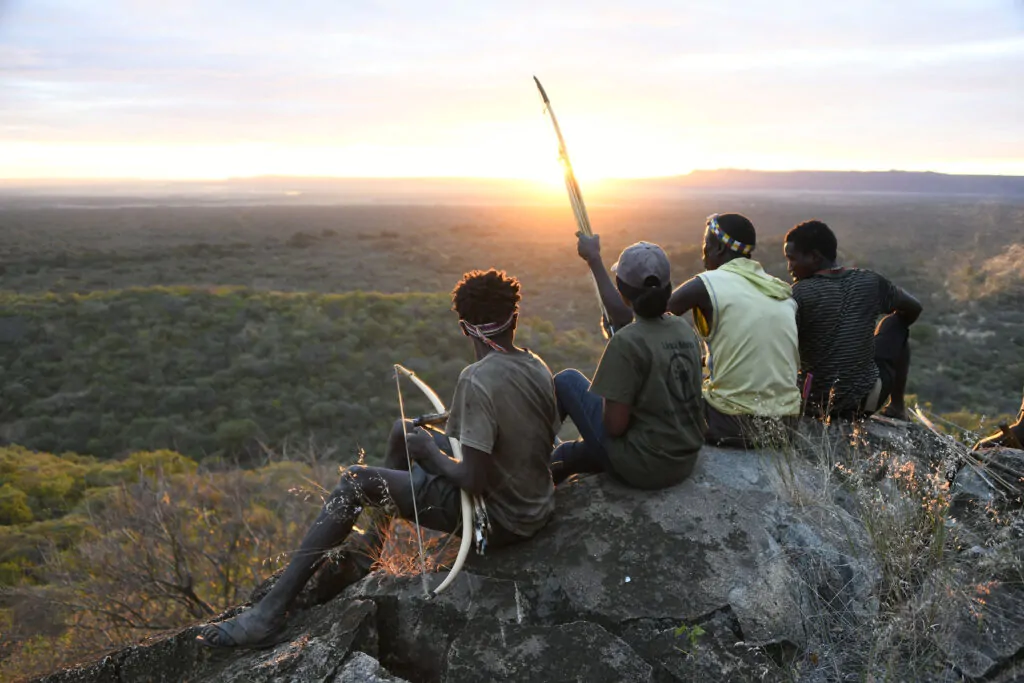
If vertebrates, birds, fish and insects migrate to new areas, it affects existing ecosystems.
The loss of forests and ground cover can lead to soil erosion, releasing even more carbon dioxide. The same happens when wetlands disappear; their ability to absorb carbon dioxide is reduced, driving the climate crisis.
Reduced biodiversity also threatens all species of pollinating insects, resulting in reduced pollination, reduced vegetation and thus less carbon stored in vegetation.
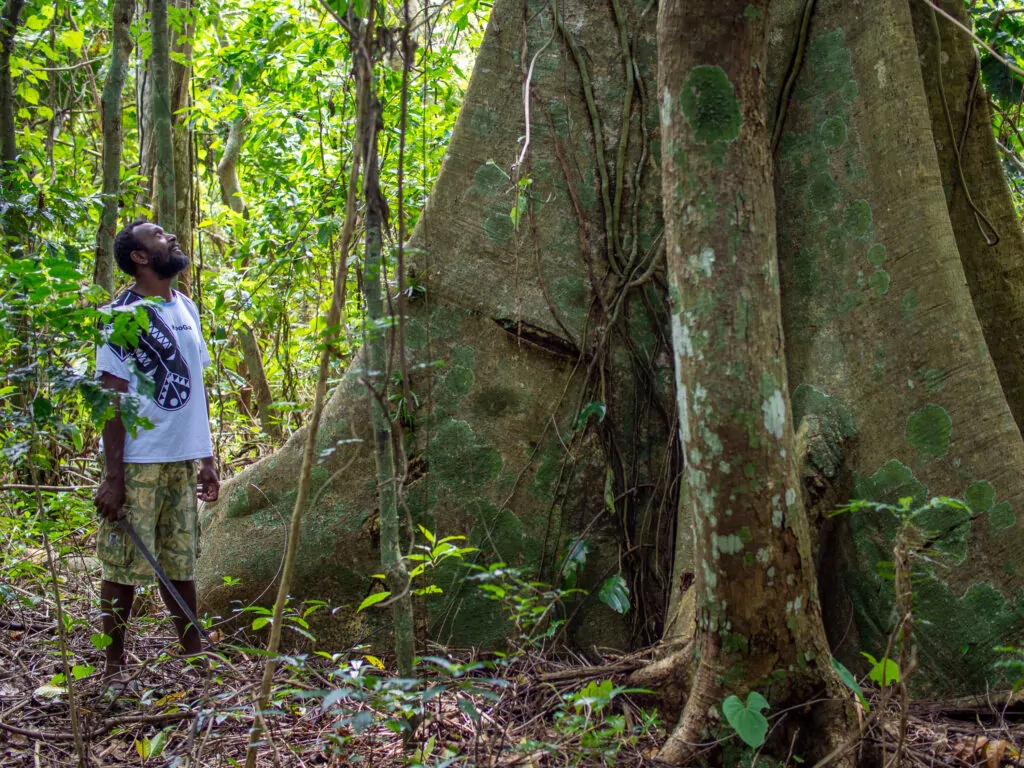
The functioning of ecosystems and their ability to regulate climate are strongly affected when biodiversity loss is reduced, which manifests itself in several ways.
Part of the solution
Highly biodiverse ecosystems have strong resilience to climate change, as many species work together to maintain ecosystem functions.
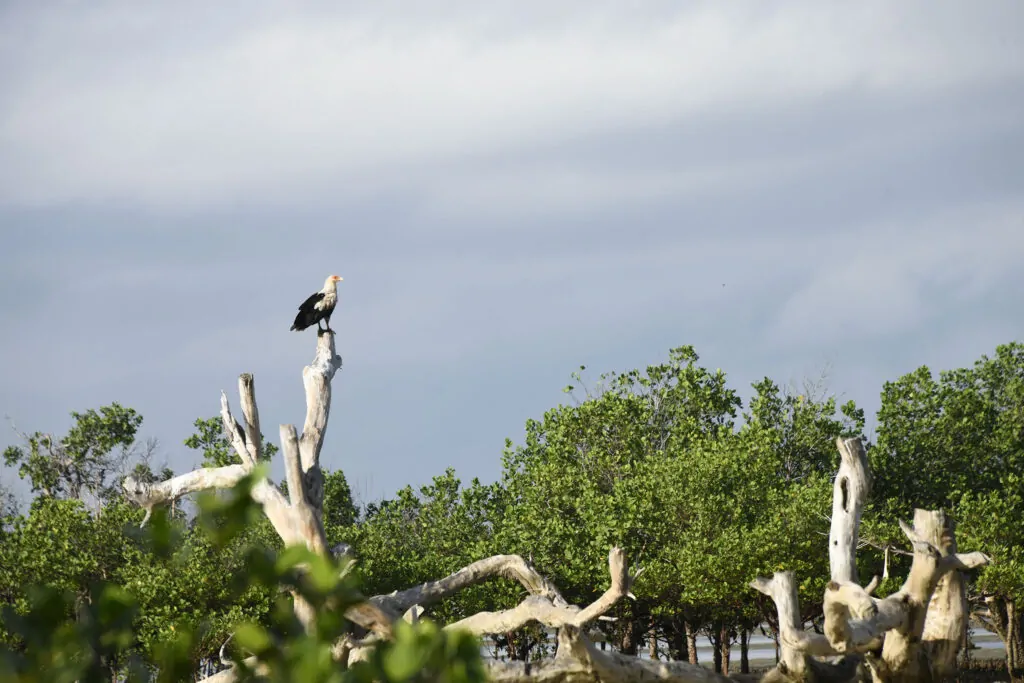
Forests and all other vegetation, not least algae in the oceans, bind carbon dioxide through photosynthesis.
Ecosystems where biodiversity is high are also temperature regulating because vegetation cools the temperature. In urban environments where there are trees, temperatures are several degrees lower in summer. This is one of the reasons why many cities, including Stockholm and Uppsala, have adopted climate targets to increase the canopy cover of trees in cities (according to municipal websites). More wetlands also lower air temperatures; nature's air conditioning. These are examples of how biodiversity mitigates climate impacts.
Everyone, individuals and communities, can do a lot to enhance biodiversity by farming, sowing meadows and planting plants that pollinators appreciate. Business actors can in turn invest in biodiversity projects.
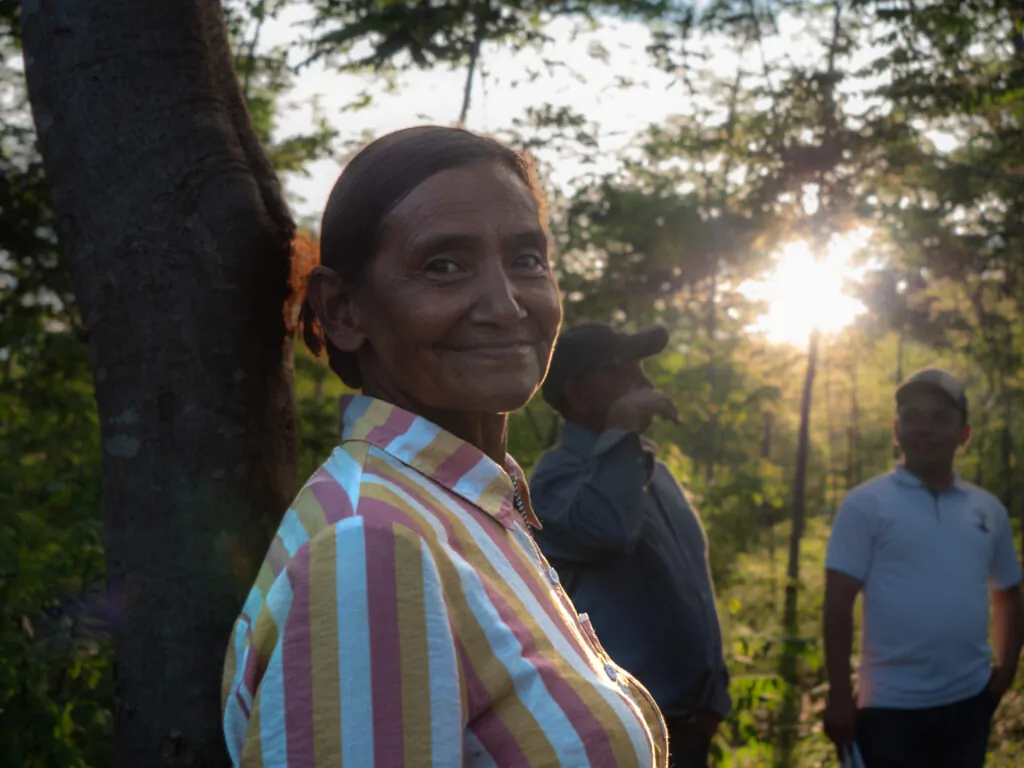
More wetlands lower air temperatures - nature's air conditioning. These are examples of how biodiversity mitigates climate impacts.
ZeroMission provides a broad portfolio of climate projects that contribute to many of the UN Sustainable Development Goals, not least increased biodiversity. Contact us to learn more about how you can support ecosystems, increase resilience and sustainable land use today.