By: Peter Malmgren & Filip Dessle
Indigenous communities have traditionally been seen as victims of climate change, as passive actors with neither the capacity nor the political voice to make a difference. But today, there is growing evidence that indigenous peoples instead have a key role in strategies to preserve ecosystems and demonstrate adaptation in a changing climate. Several of ZeroMission's carbon offset projects work with indigenous peoples in different parts of the world.
Indigenous peoples today represent about 5% of the world's population1 and use about 24% of the world's land, where about 80% of the world's biodiversity2 is found. Their way of life often involves using and managing local resources in harmony with ecosystems, as evidenced by the wealth of biodiversity found in areas where indigenous peoples have been able to live undisturbed by exploitation. As climate change affects their communities, many of them are finding new ways to adapt, but this resilience requires access to their own lands.
Indigenous peoples have long been seen as a passive part of nature that either stands in the way of exploitation or must be conserved, like rainforests. They have also sometimes been sidelined in climate action: examples from Latin America include the appropriation of land for palm cultivation for biofuels1.
Despite being the least responsible for emissions, indigenous peoples are the most vulnerable to the impacts of climate change. This is primarily because they:
- often live in areas strongly affected by climate change: polar, desert, mountain and coastal areas, and small islands.
- depend on local land and natural resources for basic needs such as food, shelter, medicine, fuel, etc.
- are among the most poor and marginalized groups globally.
However, the perception of them as helpless victims of climate change has changed in recent decades; they are now seen as key actors in protecting natural areas from exploitation and conserving and nurturing ecosystems. They possess unique knowledge about the areas they live in and how local adaptation to natural and climatic phenomena can look like; crucial contributions to scientific research.
Official recognition of this has opened up cooperation and dialogue between indigenous communities, NGOs and authorities. Strengthening their land rights and integrating them into climate action is thus becoming a key aspect of sustainable development3. The UN now classifies indigenous peoples as a participating actor in international forums and they are formally recognized as stakeholders. The Paris Agreement, adopted in 2015, states that their rights and participation should be strengthened and their traditional knowledge incorporated into climate work4.
How does ZeroMission work with indigenous groups?
We at ZeroMission collaborate with Plan Vivo, which, like us, places high demands on our carbon offset projects to provide social and ecological added value in addition to the climate benefit. Several of our projects address indigenous peoples and their rights. Read about two of them below!
The Bujang Raba project in Indonesia engages five indigenous villages in protecting Sumatra's rainforests from deforestation and poaching. Large-scale oil palm cultivation has led to confrontations between local communities and companies, resulting in human rights violations.
Residents depend on the high biodiversity of the forest and are therefore engaged in dialog and education on how to manage the area sustainably, using their own knowledge of nature. Spices and other income-generating crops have been introduced, the proceeds of which are used, among other things, to develop local water and natural gas energy supplies and reduce fuel emissions. Through the project, villages have organized themselves internally to share knowledge and protect their rights: when rights are linked to land, nature becomes much more difficult to exploit.
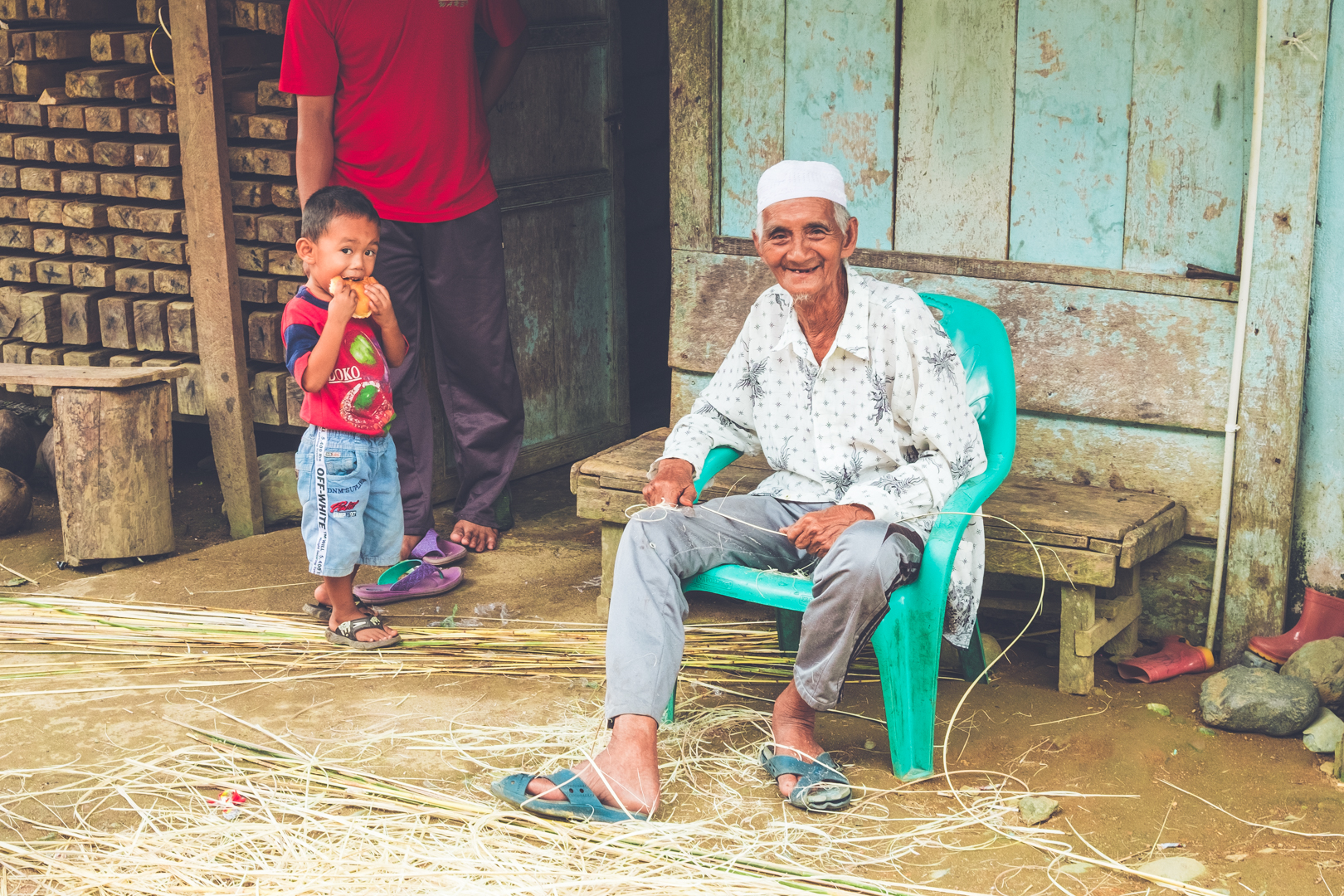
Bujang Raba community village - Sumatra. Photo: IVAR Sthlm
The Yaeda Valley project in northern Tanzania works with the Hadza pastoralist hunter-gatherer group to strengthen both land rights and local resource management. They derive their livelihoods from the forest ecosystem, which, with their ingenuity, provides everything they need: food, tools, building materials and medicine.
Ecosystems here are primarily threatened by deforestation and poaching. To preserve nature, animal and plant life, local residents are involved in cultivation but also in monitoring and protecting the area from unauthorized use. The project generates income and strengthens land rights, making negative land exploitation more difficult. This allows residents to own and control development in their community. This project was awarded the Equator Prize earlier this year (2019) for its innovative and successful work.
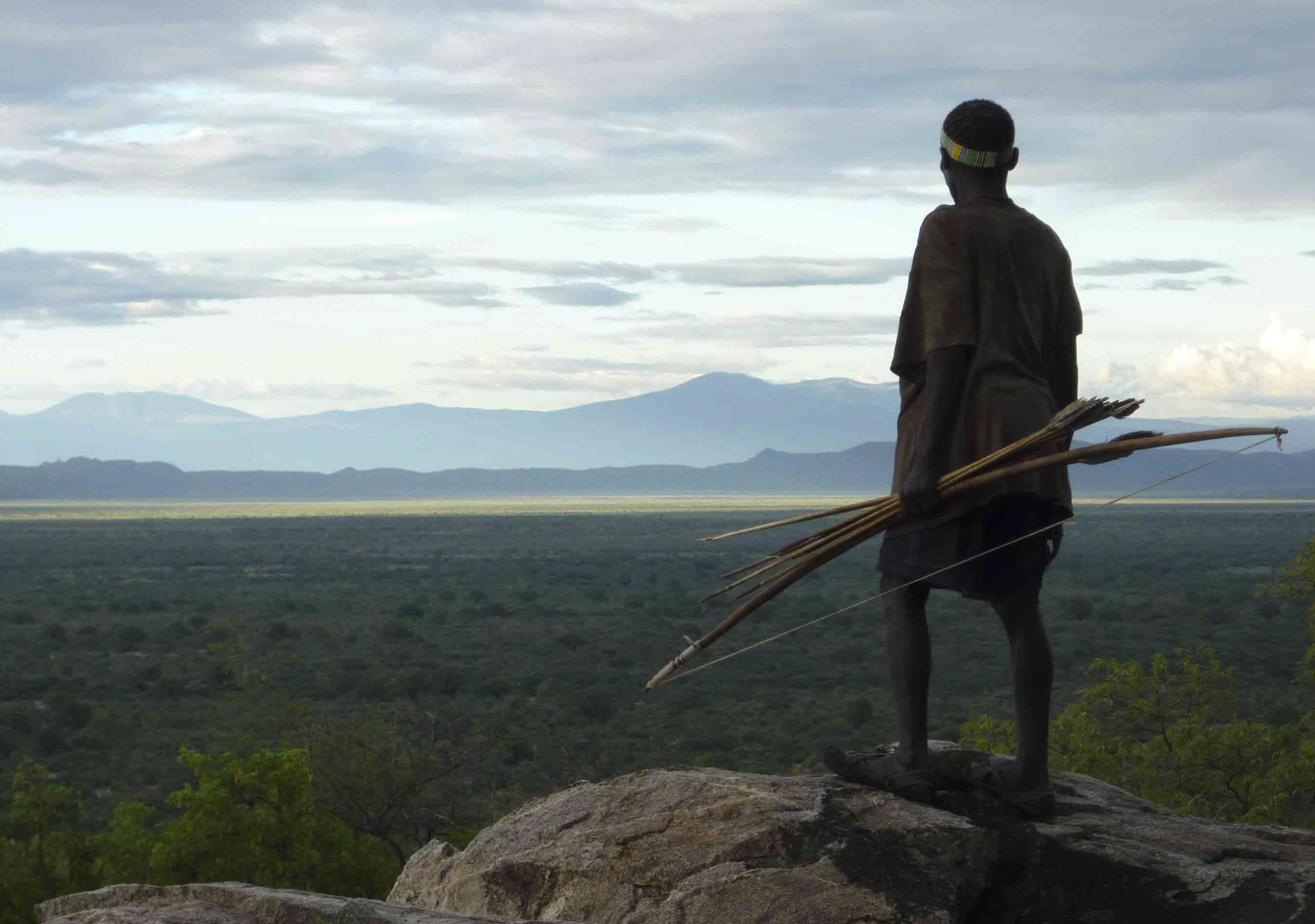
In the picture Ezekiel Philipo from the Hadza tribe. Photo: Carbon Tanzania
The way forward
Large parts of the natural areas that host much of the Earth's biodiversity are managed by indigenous peoples. Their agency should therefore be further strengthened and integrated into sustainable development efforts. The right to land protects both them and nature from being violated by exploitative interests, and is thus central to international climate work.
At the same time, a growing body of evidence shows that initiatives and climate strategies developed in collaboration with indigenous peoples are highly successful, and are strong complements to quantitative science. Their traditional knowledge and way of life serve as reminders and examples of how humans can live in harmony with their environment.
References
1 Castillo et al, 2017, Indigenous peoples, local communities and climate change mitigation
2 Etchart, 2017. The role of indigenous peoples in combating climate change
3Cordon, 2019: Indigenous people's work in world's protected areas is ignored and untapped
4UNFCCC, 2017. New UN Platform to Boost Indigenous Peoples and Local Communities' Climate Action