Warning: Trying to access array offset on false in zeromission.php online 5
What is the difference between different stove projects?
January 30, 2024
There are some differences between ZeroMission's various energy-saving stove projects and here we clarify the concepts
Globally, over 2 billion people rely on burning wood and charcoal to purify water and cook food.[1] The inefficient burning of these fuels contributes to climate change and the associated deforestation has negative impacts on biodiversity. In addition, the large amounts of smoke produced when cooking with these fuels are a major cause of respiratory diseases in many countries where it is used.
To address this problem, projects have been established in the voluntary carbon credit market. Stoves and small-scale energy projects that create and distribute these basic technologies where they are most needed currently make up around 14% of projects in this category. 2] Some projects offer more efficient stoves to reduce the amount of fuel needed compared to traditional methods while other projects offer stoves that use a different fuel source such as biogas. The climate and social benefits of both types are broadly the same, but it could be argued that projects providing a new fuel source are more advanced.
The stove projects ZeroMission offers now span three categories; 1. Projects certified by the Gold Standard, 2. Projects certified by Fairtrade and the Gold Standard , and 3. Blockchain-enabled projects using Gold Standard. This article will outline the characteristics of each type to help you find the project that best suits your needs.

Gold Standard is the second largest standard in voluntary carbon credits and was set up in 2003 to mitigate climate change while making progress on the UN Sustainable Development Goals. They have certified over 3,000 projects, more than half of which are community-based energy efficiency projects that reduce over 130 million tons of CO2e emissions per year [3]. Projects certified by the Gold Standard typically receive higher ratings than similar VERRA or CDM projects.
The climate benefit of the stove projects is calculated by comparing the efficiency of the new stove with the cooking method used before, the difference between the two being the climate benefit created by the project. Thus, each carbon credit purchased from one of our Gold Standard represents one ton of carbon dioxide that was not released into the atmosphere thanks to your support.
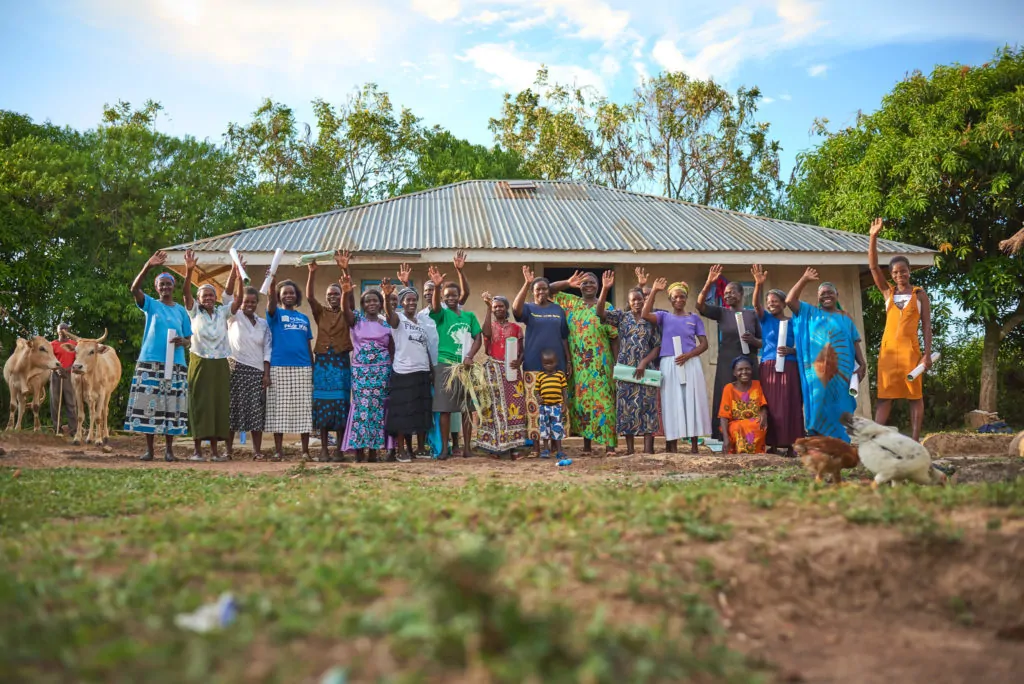
Fairtrade, joined forces with Gold Standard to make Fairtrade Climate Standard 2015. Although the climate benefits are calculated in the same way as with regular Gold Standard, there are additional requirements around the social aspects of the project that give them a Fairtrade. These additions include:
- Increased democratization - all project participants can vote in decision-making processes to govern the organization they are part of.
- Capacity building - additional training is provided by Fairtrade that enables participants to become active in the project, often with a particular focus on women. In stove projects, this usually involves training participants to make and distribute the stoves themselves to build a resilient future business.
- A Fairtrade- the minimum price ensures that all project costs can always be covered and helps to improve the economic situation of participating local stakeholders.
Due to the additional requirements of Fairtrade, these projects are more expensive than regular Gold Standard. However, the price is reflected in the greater support and empowerment given to participants.
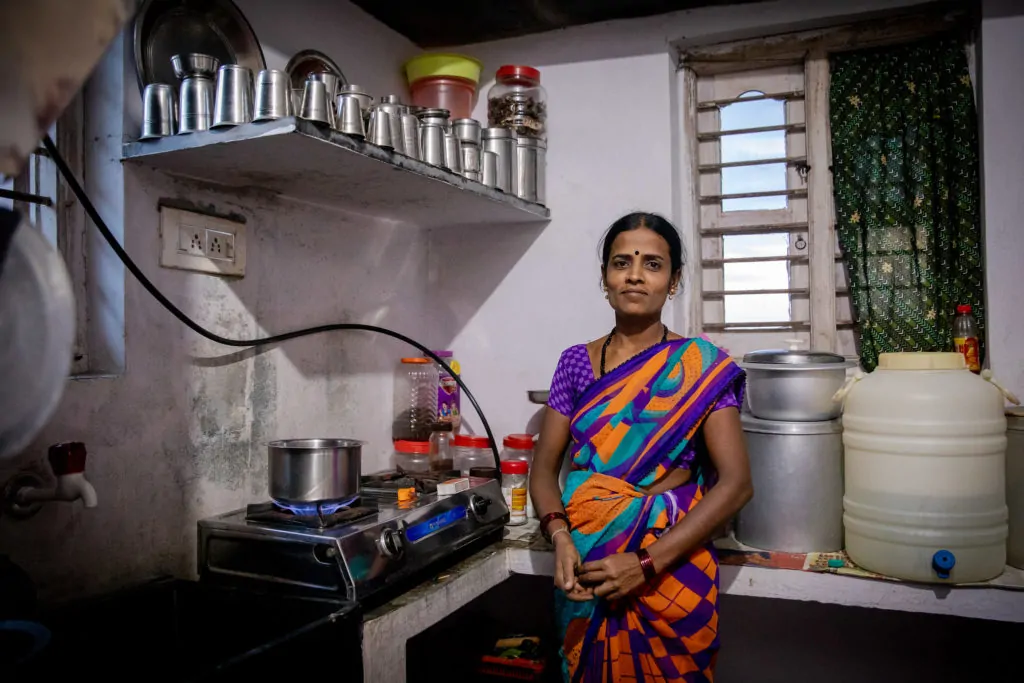
Emerging Cooking Solutions is an organization founded in 2012 with the idea of replacing cooking fuels from charcoal with pellets. Their model is based on participants receiving the stove, called SupaMotos, at no cost but making regular purchases of pellets. The cost of cooking with pellets is about half of what it costs when using charcoal, it is much faster and the increased efficiency allows deforestation and greenhouse gas emissions to be reduced.
What makes this project truly unique is how the climate benefits are tracked and recorded. Each stove is connected to the internet and each use of the stove is measured, meaning that greenhouse gas emissions and therefore the number of carbon credits are much more accurate and can be calculated from primary data rather than assumptions. While the methodology of the project is based on the established Gold Standard ideas, the measurement of climate benefits is significantly improved.
As stove activity is tracked, it is recorded on a digital blockchain platform, meaning the climate benefit is traceable and immutable. Moreover, instead of just buying carbon credits in tons, here is an opportunity to buy or rent a digital twin of a cooker. The use of the stove can be tracked on a digital platform so you can see how much it reduces emissions over weeks, months and years.
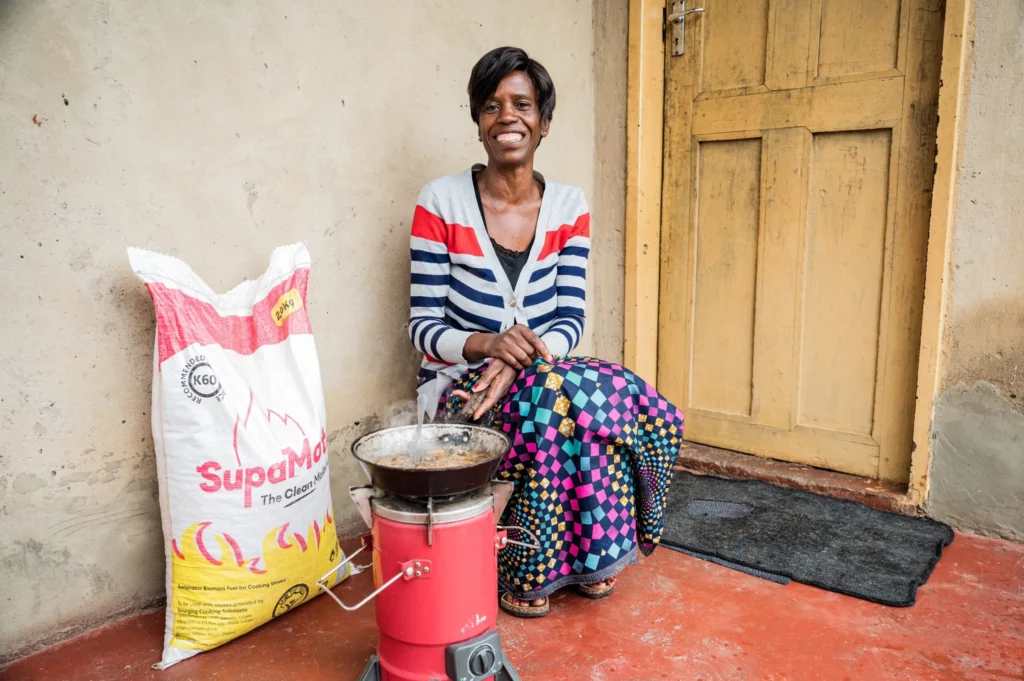
All three types of projects provide a reduction in greenhouse gas emissions along with an improvement in people's daily lives that can be measured through the UN Sustainable Development Goals. If you want to offset your companies' emissions, or simply use a sum of money to mitigate climate change and improve the lives of some of the world's poorest people, stove projects are a great way to start.
Here is the link to our latest project from Emerging Cookstove Solutions. Please contact us if you are interested!
[1] https://www.who.int/news-room/fact-sheets/detail/household-air-pollution-and-health