Vision's Climate Projections: How the Climate Issue Becomes Part of the Union's Mission
As one of Sweden’s largest labor unions, Vision has a dual mission when it comes to climate issues: to reduce its own organization’s climate impact while simultaneously driving the transition forward for its more than 200,000 members. Together with ZeroMission , Vision has been conducting climate assessments since 2018 and has developed a climate strategy that provides the union with a concrete foundation—both internally and in its advocacy work.
Unions with sustainability as vision
Vision is a nonpartisan, feminist labor union that organizes public-sector employees in municipalities, regions, the church, and the private sector. The union was the first in Sweden to introduce climate representatives—a new union role that gives members the mandate to promote climate initiatives in their workplaces as part of the effort to create a sustainable work environment.
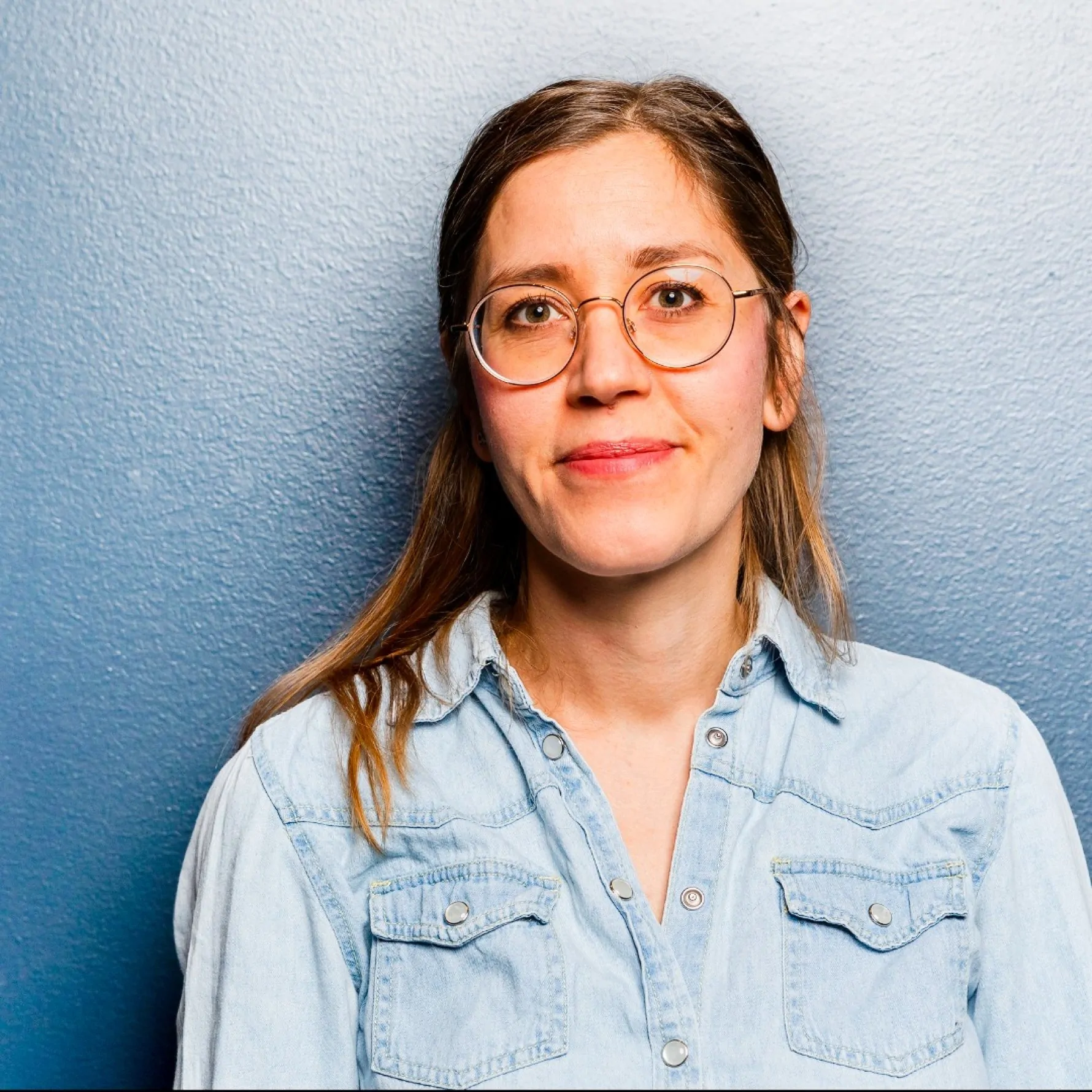
"ZeroMission is a valuable sounding board that provides Vision with both inspiration and new perspectives, while also helping us turn our ideas into concrete action," says Maja Kalén, environmental coordinator at Vision.
Climate projections that cover most
As a labor union with offices and operations in several locations and a stated ambition to take the lead on climate issues, Vision needed a climate assessment that it could credibly stand behind—both in its own sustainability report and in its advocacy efforts with employers and policymakers. The secretariat’s internal sustainability goal is to achieve net-zero emissions by 2035, while Vision’s overarching goal is to harness its members’ commitment to reducing climate impact in the workplace.
That is why Vision was an early adopter of climate impact assessments and, since 2018, has been producing an annual climate report on the secretariat’s climate impact. It covers categories across all three scopes of the Greenhouse Gas Protocol. Vision calculates the climate impact of everything from purchases, travel, and printed materials to electricity consumption at its offices throughout the country.
Sustainability Platform for Effective Climate Calculations
Vision uses ZeroMissions' sustainability platform Our Impacts for its calculations. The platform is flexible and facilitates data collection even when data providers are located in different parts of the country. It is based on a database of up-to-date and location-specific emission factors, which means that emissions can vary depending on geographic location and time—even within the same category. With Our Impacts , it is also easy to customize reporting, for example, if the association hires more employees.