Paskaia – Climate Benefits and Social Sustainability on the Path to Net Zero
May 28, 2026
Companies that want to achieve net zero—that is, have net-zero greenhouse gas emissions—need not only to reduce their own emissions but also to offset those emissions that cannot yet be eliminated. This can be done by purchasing certified carbon credits, which fund climate projects with measurable and verified climate benefits. The Paskaia climate project in Honduras is one such example—a project that not only sequesters carbon dioxide from the atmosphere but also supports vulnerable local communities and strengthens biodiversity in one of the Americas’ most important forest areas.
Nature-based climate solutions for net-zero
To understand why climate projects like Paskaia are important, we need to understand what nature-based climate solutions are and why they play a crucial role in climate action. Simply put, these are solutions that, with nature’s help, actively capture—or “suck up”—carbon dioxide from the atmosphere. This can involve conserving or reforesting, using biochar, or restoring wetlands.
The UN Intergovernmental Panel on Climate Change (IPCC) is clear: we must sequester more carbon dioxide than we emit in order to meet our climate goals. Simply reducing emissions is not enough. According to the IPCC, nature-based solutions are absolutely crucial if we are to have any chance of limiting global warming.
This is where carbon credits come into play. When a company purchases a certified carbon credit, it is funding a specific climate project—and directly contributing to carbon sequestration that would not otherwise have taken place. It is a concrete way to take responsibility for the emissions that cannot yet be completely eliminated, on the path toward net zero.
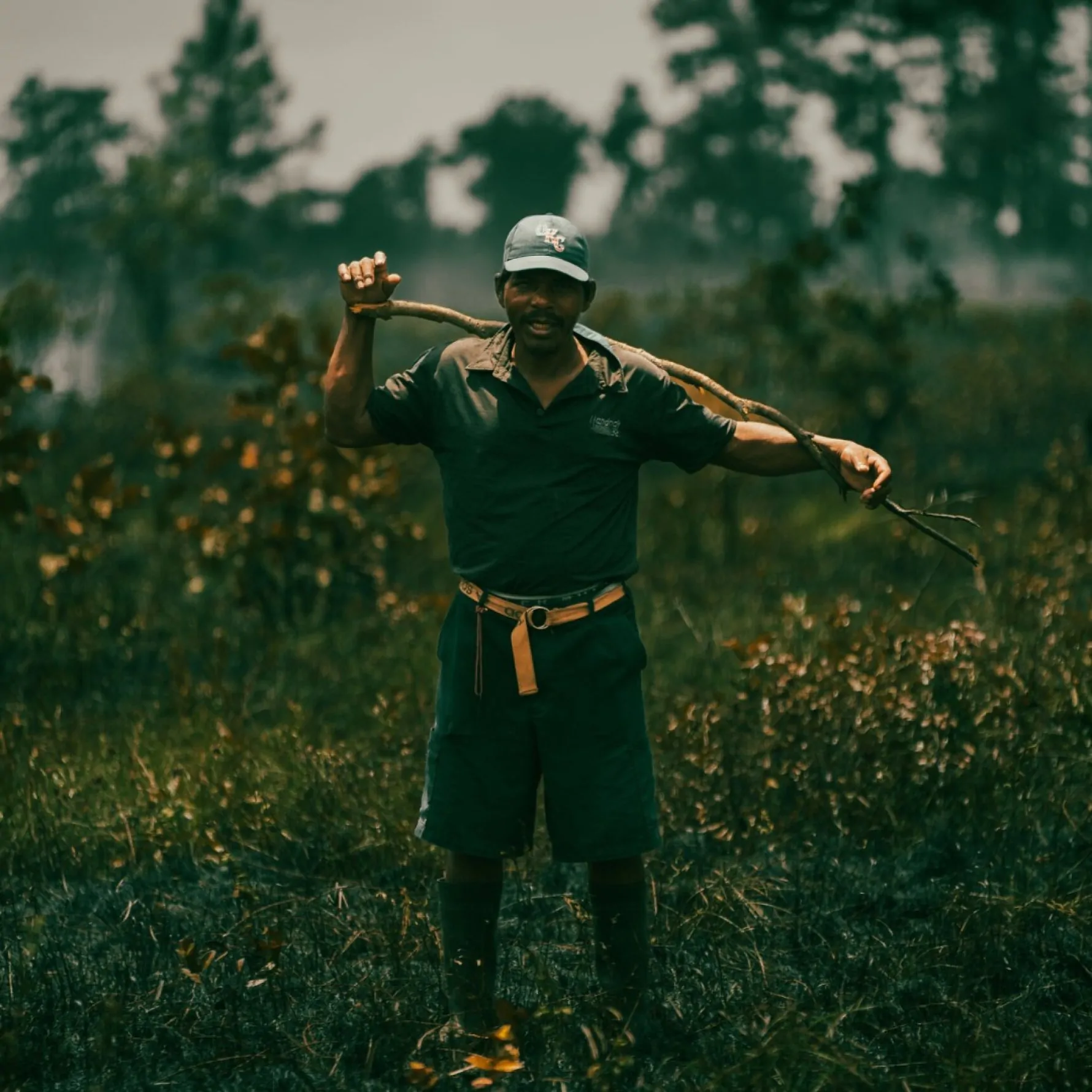
When a company purchases a certified carbon credit, it funds a specific climate project—and directly contributes to carbon sequestration that would not otherwise have taken place. It is a concrete way to take responsibility for emissions that cannot yet be completely eliminated, on the path toward net zero.
La Mosquitia – a precious forest under threat
Paskaia is located in La Mosquitia in Honduras—home to the second-largest rainforest in the Americas after the Amazon. Despite its size and immense natural value, the region has long struggled with deforestation, land-use conflicts, and recurring wildfires.
The people of La Mosquitia are among Honduras’s indigenous communities. Like so many other indigenous groups, they are marginalized and live in harsh economic conditions—over 90 percent of the population lives below the poverty line. They are heavily dependent on the forest and nature for their survival, through hunting, fishing, and farming. But the area that was once covered in trees has been exploited over the years to the point where it now most closely resembles a savanna, heavily impacted by fires and exploitation.
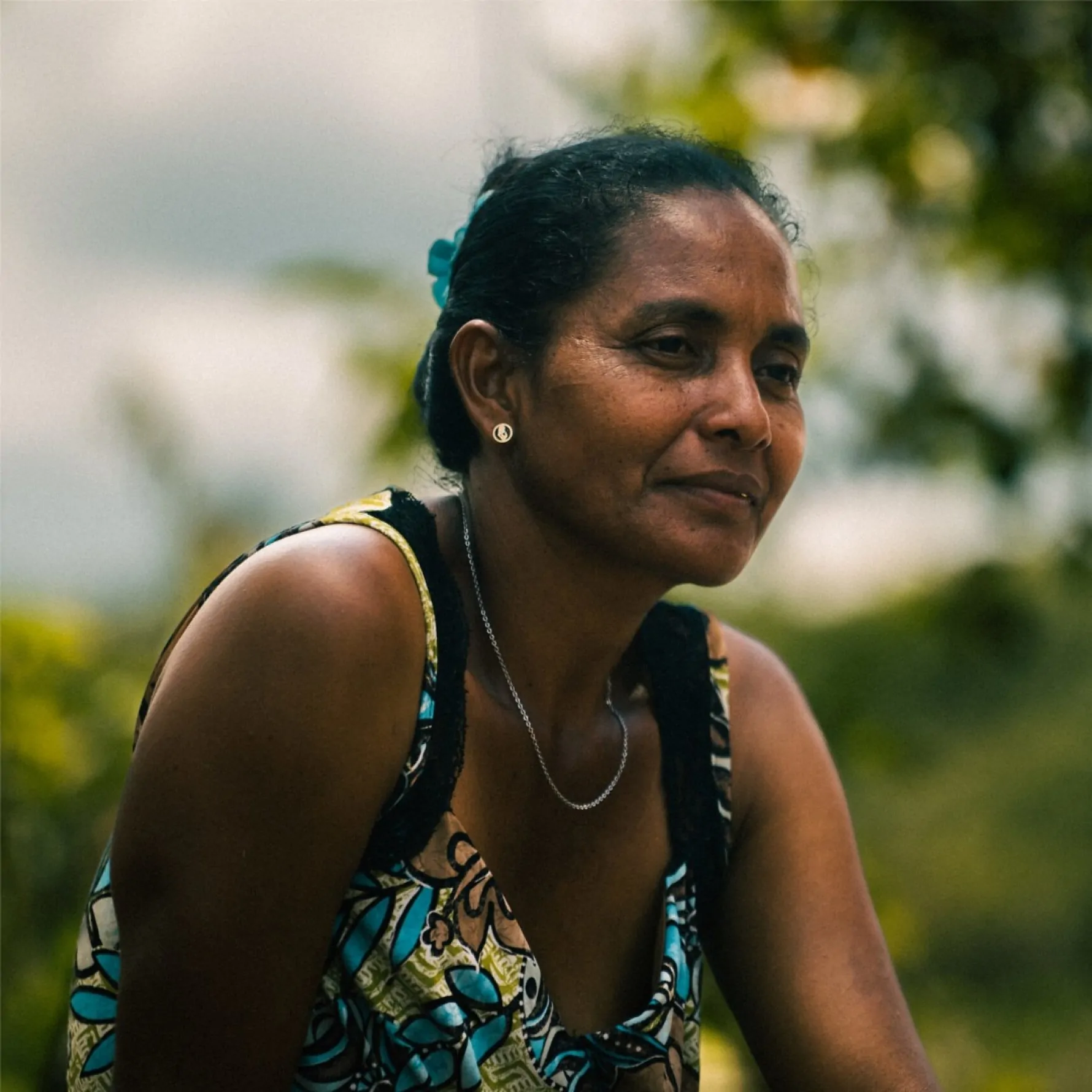
The people of La Mosquitia are among Honduras’s indigenous peoples. They depend heavily on the forest and the natural environment for their survival, through hunting, fishing, and farming. However, the area that was once covered in trees has been exploited over the years and now resembles a savanna, severely affected by fires and deforestation.
The Paskaia Climate Project – “Building for the Future”
Paskaia—a word that means “building for the future” in the indigenous Miskitu language—was launched in 2018 by researchers from Uppsala University in close collaboration with the local population. The goal was to establish a long-term sustainable land management system, with the local community at its core.
The first step was to secure ownership of the land on which the local population had lived for hundreds of years—an effort initiated by the local community itself. With ownership secured, the focus shifted to actively protecting and restoring the degraded area.
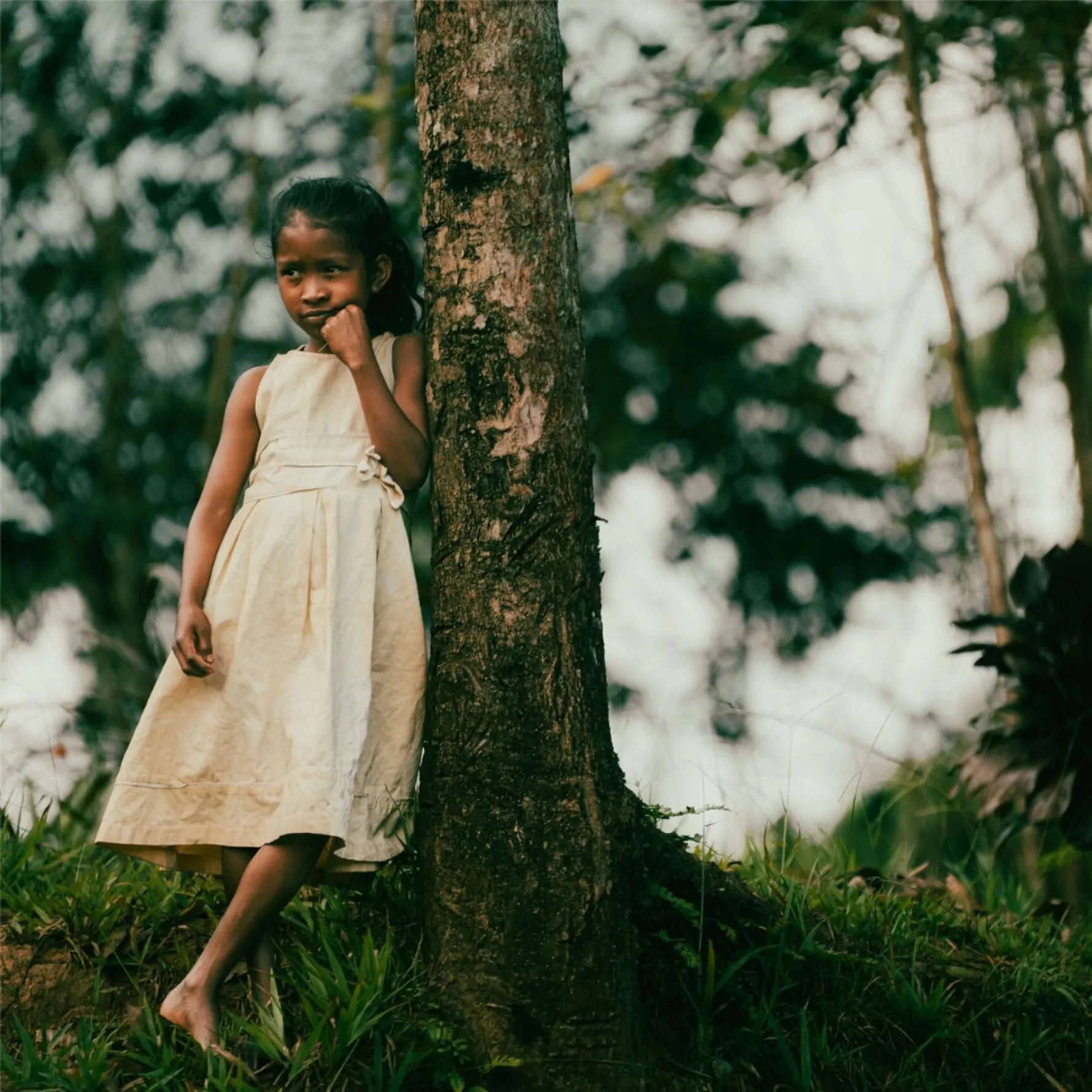
Paskaia—a word that means “building for the future” in the indigenous Miskitu language—was launched in 2018 by researchers from Uppsala University in close collaboration with the local community.
Agroforestry Toward Net Zero
Local fire brigades were trained in fire control and equipped with tools to protect their land in a way that was entirely different from before. With the fire under control and land ownership secured, the systematic replanting of trees began. The project includes Caribbean pine and mahogany, as well as agroforestry systems—where crops such as bananas, cocoa, and beans are grown alongside trees. This has a positive impact on the climate while also providing food for the local population.
Today, the Paskaia project protects an area of over 400 hectares—equivalent to roughly 560 soccer fields. The forest is returning. And the entire community is involved: young people, women, and seniors are all participating in the collaborative processes that are rebuilding both the area’s natural environment and the community’s resilience.
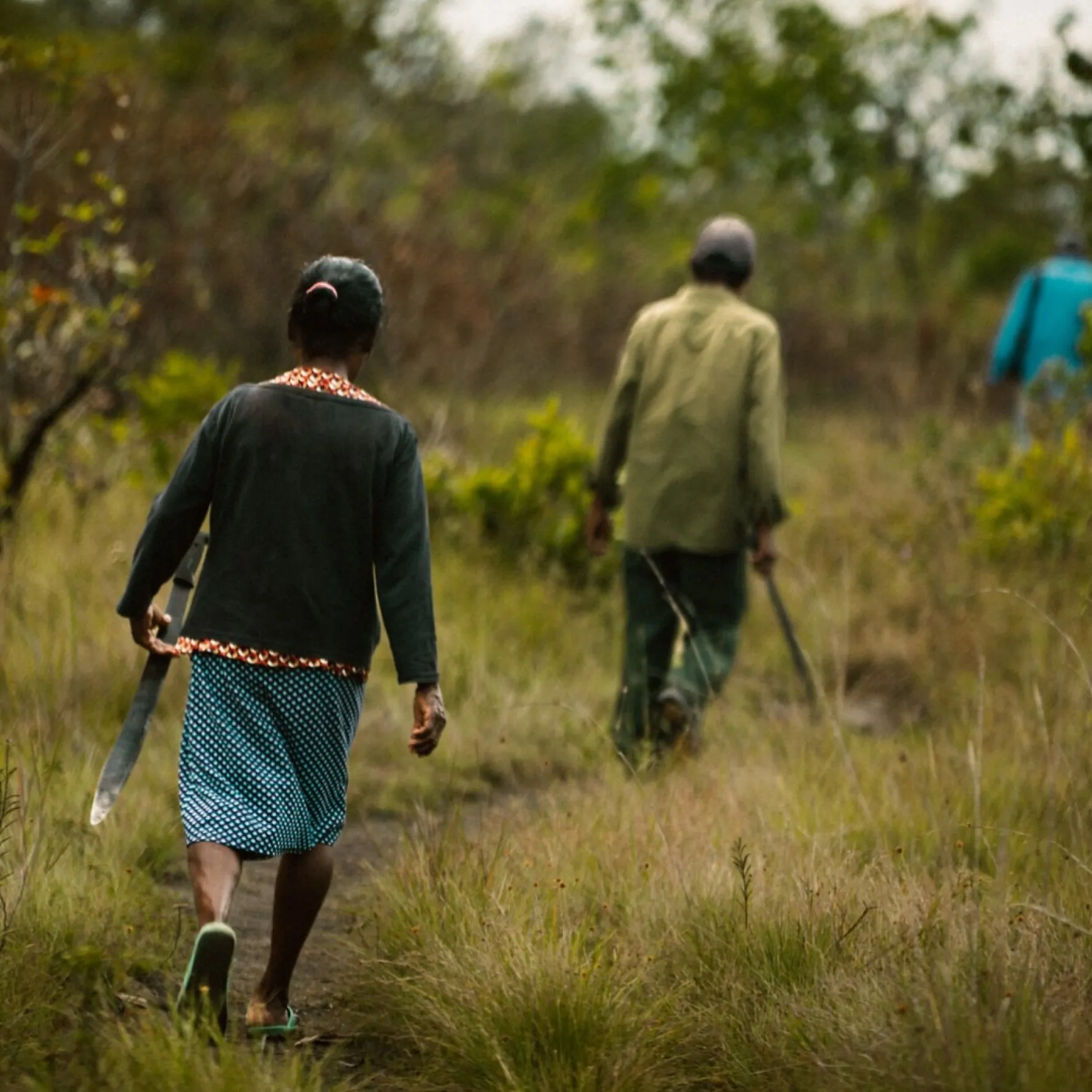
Today, the Paskaia project protects an area of over 400 hectares—equivalent to about 560 soccer fields. The forest is coming back.
Measurable climate benefits – that you can buy
The climate benefits of Paskaia are tangible and quantifiable. All living trees and plants absorb carbon dioxide from the atmosphere through photosynthesis. A mature tree in tropical regions can sequester approximately 25 kilograms of carbon dioxide each year—which is equivalent to a car trip of about 130–150 kilometers, which in turn is equivalent to a round trip between Stockholm Västerås in a gasoline-powered car. And that’s just one tree, in a single year.
What makes carbon sequestration in forests so valuable from a climate finance perspective is that it can be quantified and verified by an independent third party. This means that certified carbon credits can be issued that directly correspond to the carbon sequestration achieved by the project. Swedish companies can therefore support Paskaia by purchasing carbon credits, thereby financing both the climate benefits and all the social benefits that the project delivers.
Contributes to five of the UN’s Sustainable Development Goals
Paskaia has been verified as contributing to five of the UN’s Sustainable Development Goals: No Poverty (Goal 1), Good Health and Well-being (Goal 3), Decent Work and Economic Growth (Goal 8), Life on Land and Biodiversity (Goal 15), and Partnerships for the Goals (Goal 17). Companies that finance the project are thus contributing to something far greater than a number on a carbon footprint account.
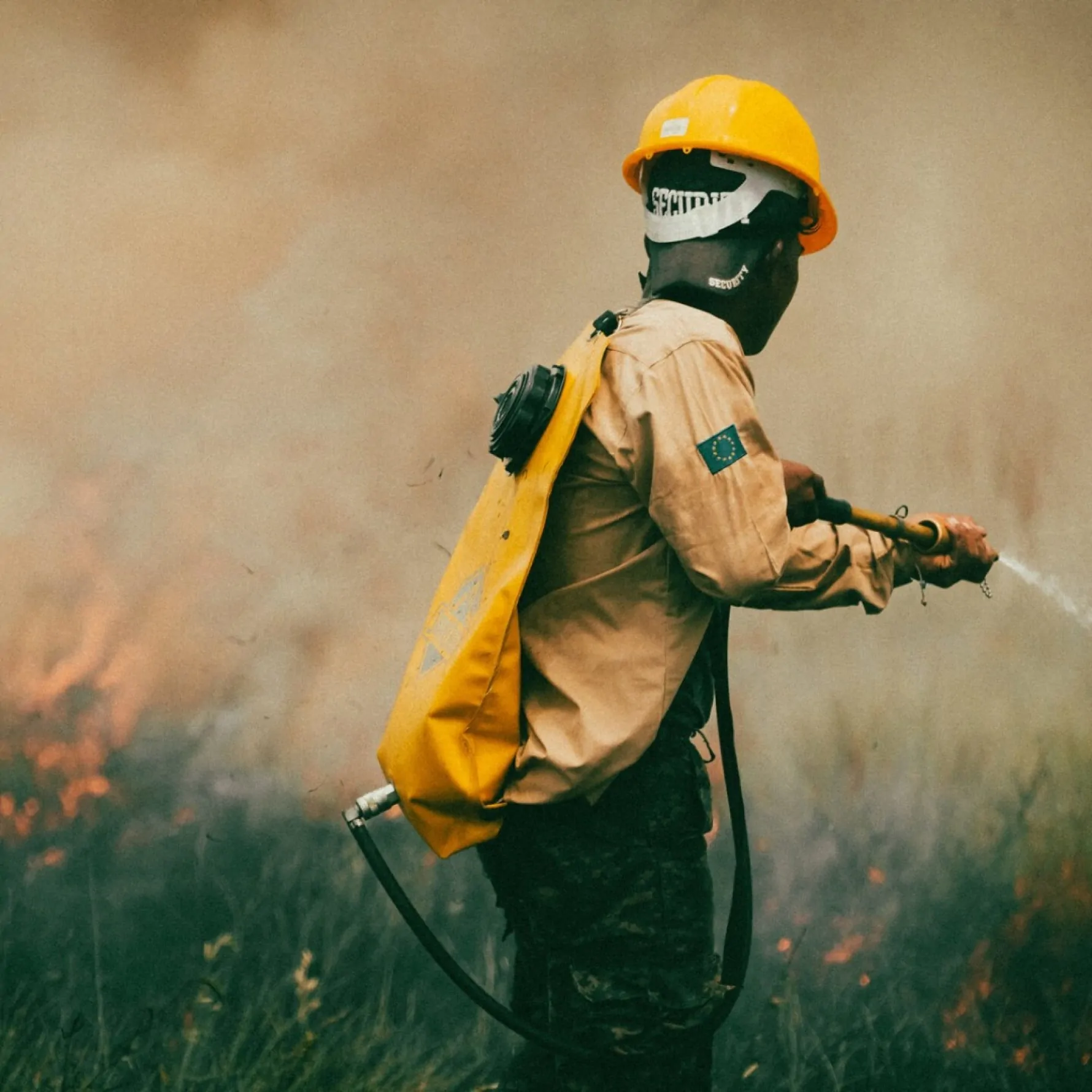
Local fire brigades were trained in fire control and equipped with tools that enabled them to protect their land in a way that was entirely different from before. With the fire under control and property rights secured, the systematic work of replanting the trees began.
Why high-quality carbon credits matter in the fight for net zero
As the voluntary carbon credit market grows, so does the importance of making the right choice. Not all carbon credits are created equal. High-quality, certified credits—such as those from Paskaia—are based on independent verification, long-term planning, and measurable results. An important tool on the path to net zero.
Companies that want to take their climate responsibility seriously need to both reduce their own emissions and offset those emissions that cannot yet be eliminated. Certified carbon credits from well-verified projects are currently one of the most effective ways to do this—while also contributing to positive change in the parts of the world hardest hit by climate change.
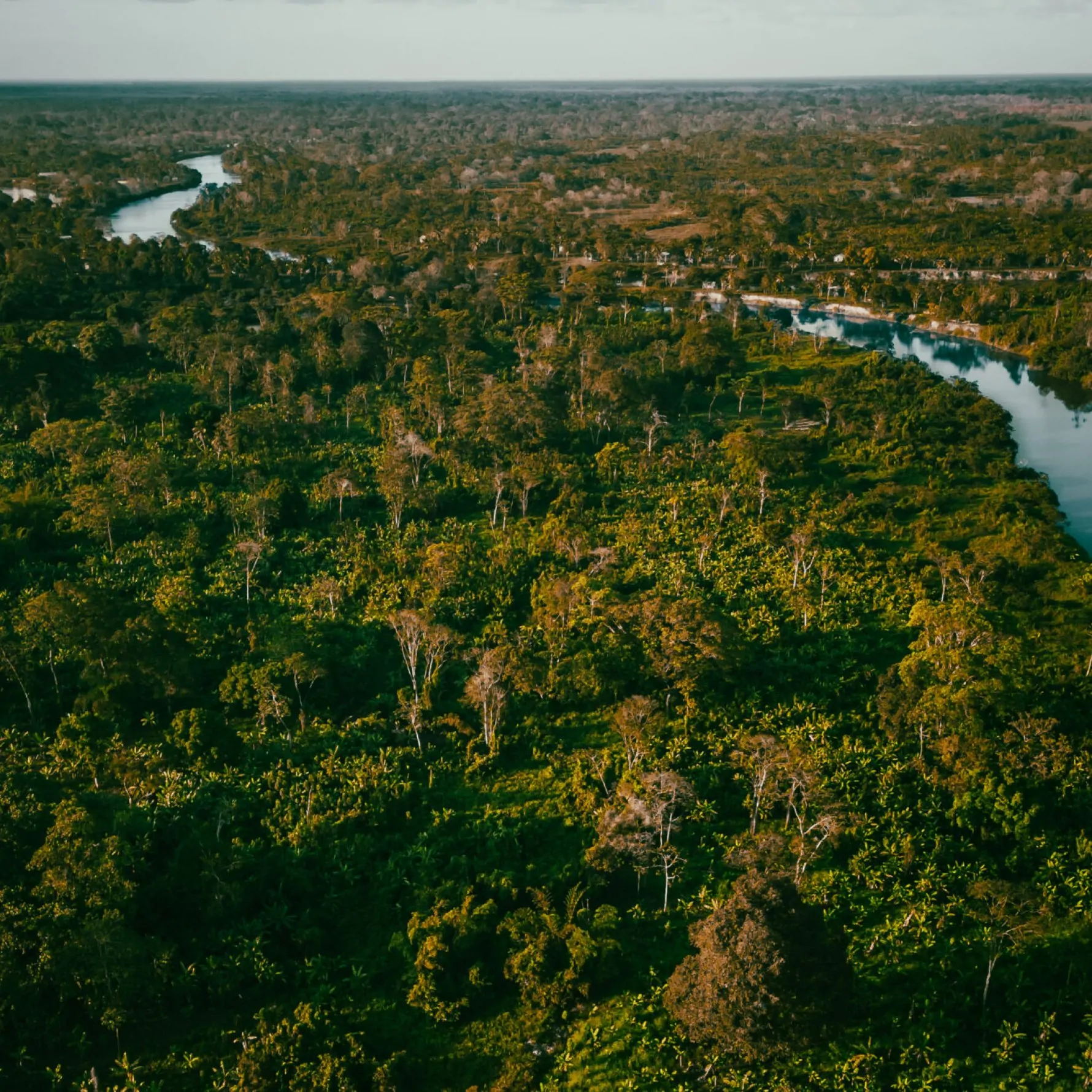
What makes carbon sequestration in forests so valuable from a climate finance perspective is that it can be quantified and verified by an independent third party. This means that certified carbon credits can be issued that directly correspond to the carbon sequestration achieved by the project.
More than just a tree-planting project
Paskaia is living proof that real climate benefits and social sustainability not only can—but must—go hand in hand. By putting the local community at the center, protecting and reforesting the land, and creating new sustainable sources of income, the people of La Mosquitia are not just rebuilding their forest. They are building a stronger and more resilient future for generations to come.
These are the kinds of projects ZeroMission on—and we believe more companies should be aware of and support them. Because that is how we combat climate change: not through isolated efforts, but through long-term, certified, and holistically sustainable climate solutions.
Please contact us if you would like to learn more about Paskaia.