Why we need to invest in natural climate solutions now
November 29, 2023
Taking Root is the developer behind the CommuniTree project in Nicaragua that we just visited. In the run-up to COP28, they have taken the initiative together with us at ZeroMission and a number of other partners to highlight Nature-Based Climate Solutions (NbS). Here we share an article written by them, translated into Swedish.
There is a growing wave of negative sentiment towards nature-based solutions (NbS). If this wave of negativity continues unabated, there is a risk that nature-based solutions will lose the investment so desperately needed for them to succeed. This would be nothing short of disastrous for the climate, for local ecosystems and for the people most vulnerable to the effects of climate change.
This is not just our opinion. The facts are there in black and white. Research shows that nature-based solutions can deliver up to 37% of the emission reductions needed by 2030 to keep global climate targets within reach. If this is to be realized, investment in NbS needs to double by 2025, and triple by 2030. As it stands, we need more investment in nature-based solutions, not less. Activities like forest restoration are not just 'nice to have' - they are essential.
Why are nature-based solutions constantly being questioned?
So why are nature-based solutions so often questioned? The answer lies in the human tendency to focus on the bad, rather than the good. One of the most effective ways that NbS has been financed so far is through carbon markets. In recent years, the voluntary carbon market has experienced a huge influx of investment, having jumped from a value of $520 million in 2020 to $2 billion in 2021. This rapid growth has attracted greater scrutiny and demands for transparency. This is a good thing. Scrutiny and transparency are exactly what is needed to raise the bar on quality so that greater impact can be achieved.
But by putting the voluntary carbon credit market (VCM) in the spotlight, it has become evident that NbS projects vary in type, scale and quality. There are initiatives that create truly meaningful impacts for the benefit of the climate, nature and local communities. Yet they are overshadowed by those that do not meet the necessary standards, causing some stakeholders to turn away from the concept of nature-based solutions altogether.
This is completely the wrong approach. What society should do instead is recognize these high-quality projects, learn from them and invest funds so that we can both grow and replicate them. Ultimately, the question should not be whether to invest in nature-based solutions. That should be an unequivocal 'yes'. Rather, the question should be: what are the right projects to invest in?
What do quality nature-based solutions look like?
This leads us to examine the characteristics of a high-quality NbS project. From our experience developing forest restoration projects like CommuniTree , we know that first and foremost there must be a focus on improving people's livelihoods. When building for livelihoods, landowners and land managers are not only incentivized to plant trees, they are also incentivized to keep those trees on the ground. This promotes the sustainability, and therefore the success, of a forest carbon sequestration project. When building for livelihoods, equitable benefit sharing is just one of the components that must be delivered, along with mechanisms to provide value over time, whether through access to local value chains or global commodity markets.
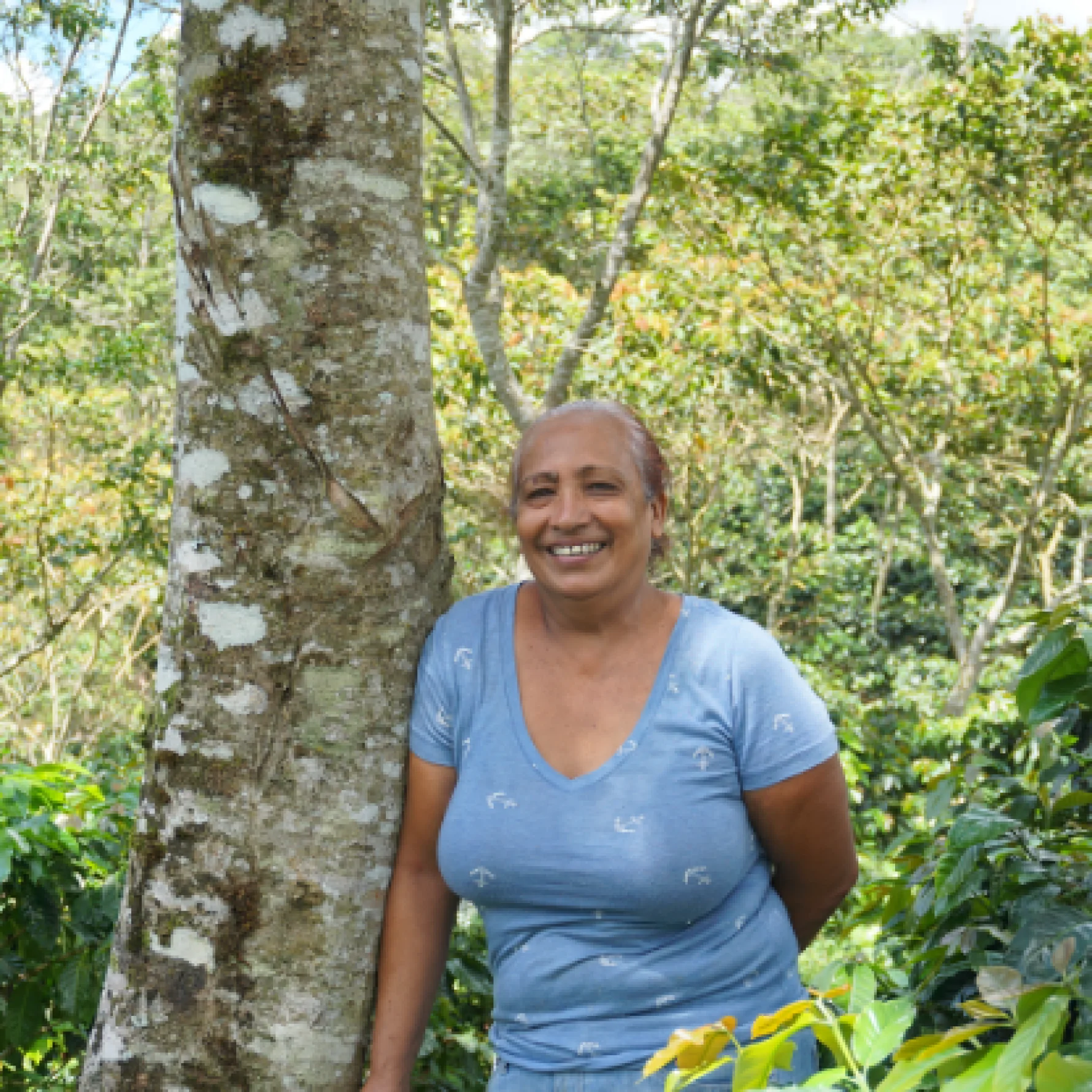
Through high-quality forest carbon sequestration projects, smallholders like Arminda Troche can improve their livelihoods by planting trees.
Beyond livelihoods, forest restoration initiatives must work in the service of nature. This means growing native tree species, encouraging natural regeneration and carefully selecting land suitable for restoration. Interventions should be based on robust science-based carbon projections, and progress should be regularly monitored and reported so that results can be transparently tracked. Third-party validation and verification provide further confirmation of a project's legitimacy.
Then there is the question of variety. Logging projects work with people and nature. Trees will die. On some land, trees will not grow as intended. Landowners will leave the project. Such situations are perfectly normal and do not constitute 'failures'. What is important is that the project design takes these scenarios into account to ensure that the promised impacts of the project are realized.
NbS projects that deliver on these quality seals achieve so much more than carbon impact. Yes, removing carbon from the atmosphere is an important outcome. But by investing in nature-based solutions such as forest restoration, financiers and investors also contribute to a range of socio-economic and environmental impacts in communities and landscapes that are often most vulnerable to the effects of the climate crisis. This includes ecosystem restoration, improving water security, creating jobs and promoting biodiversity.
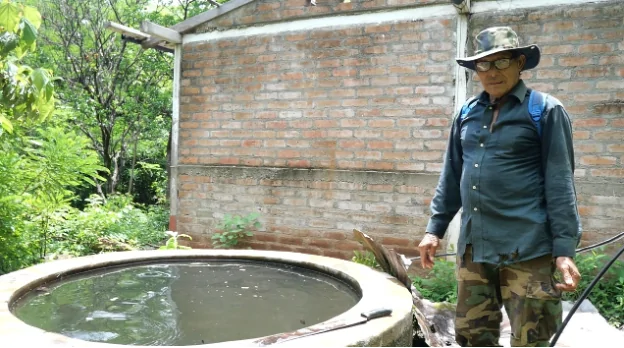
Pictured: CommuniTree Ernesto Cedeño Mendoza next to his well, which he says was "always dry" before he joined the program.
How do we fund NbS to scale up the positive impact?
Having set the standard for quality, the next step is to identify the initiatives that meet this standard and provide them with the necessary funding to facilitate growth and amplify their impact. There are various financing mechanisms available, with carbon finance being one of the most viable options. But creating high-quality carbon removals and reductions through nature-based solutions depends on upfront financing, be it through initial investment or the purchase of advance (Ex Ante) or forward order credits (Ex Post).
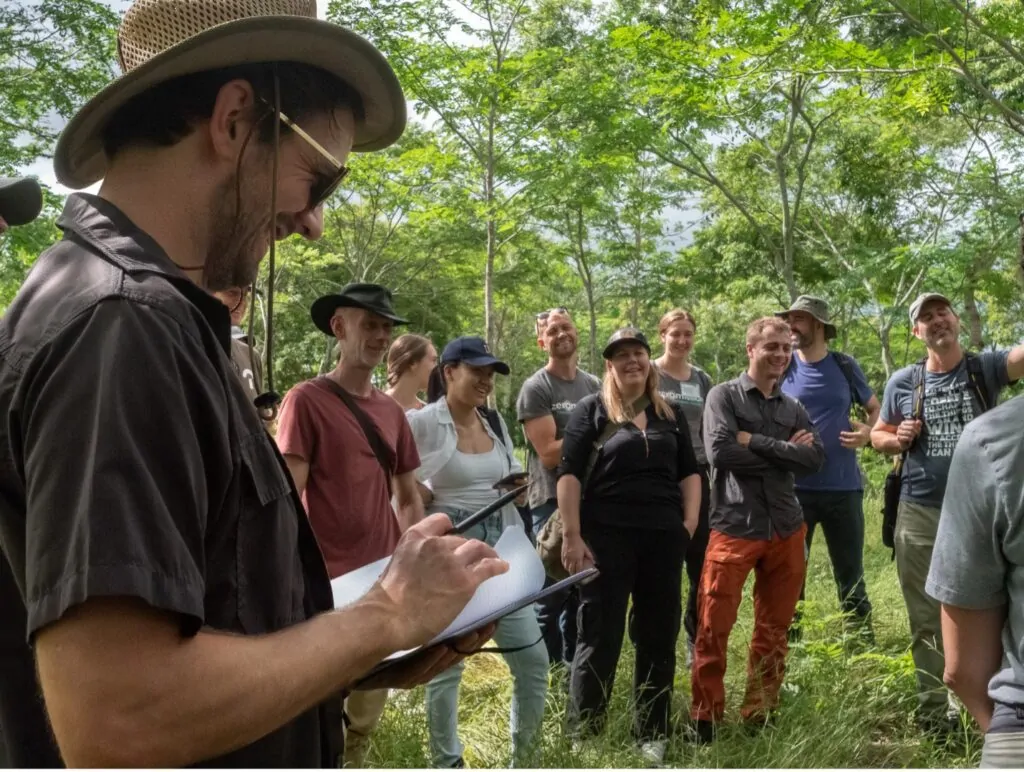
Pictured: Taking Roots retailers on a visit to CommuniTree. The purchase of CommuniTree's Ex Ante Carbon Credits helps finance forest restoration across Nicaragua.
Ex ante credits represent carbon sequestration that will take place in the future. They are often seen as less valuable than ex-post credits, where the removal has already taken place. But the sale and purchase of ex-post credits alone will not enable climate targets to be met for one simple reason: project economics.
Take for example a forest restoration project. Depending on the context, it can take 20+ years before carbon sequestration targets are fully achieved. In the meantime, project developers will have to bear the costs of establishing a project, managing the operations and providing value to those implementing climate solutions at the local level. Projects need support from companies and investors to cover these upfront costs in order to fully engage with the local community for the long haul. If this support is lost, there will not be enough money to plant trees and communities may come to see NbS as yet another failed promise of economic prosperity. So if we don't invest in planting trees now, we lose a high-potential solution to address the climate and biodiversity crisis.
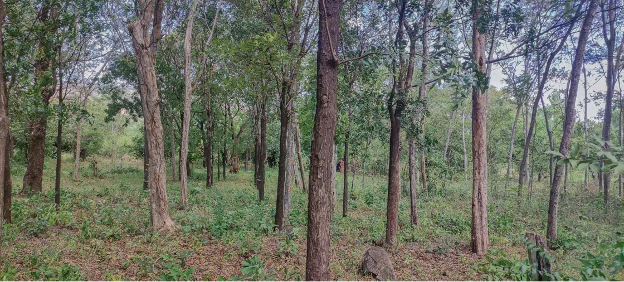
Pictured: A forest planted through the CommuniTree Carbon Program. The impacts created are entirely additional: they would not have occurred without upfront funding.
Invest in high-quality projects for meaningful impact
Research shows that shows that companies that engage in the carbon credit market reduce emissions in their own operations twice as fast year-on-year compared to others. Those that use higher quality and more expensive credits have better emissions performance. There is therefore a clear link between investment, quality and impact. This reality should not be overlooked when exploring the voluntary carbon credit market. The window of opportunity to mitigate the worst impacts of the climate crisis and restore nature has narrowed. Nature-based solutions can sequester carbon, restore ecosystems and improve livelihoods locally. These solutions are available to us now, with huge potential to scale up. If we are to secure a positive future for nature, support for NbS must be strengthened and that support must be provided with immediate effect, for the benefit of us all.