REDD Project: Climate Benefits and Biodiversity Go Hand in Hand
August 20, 2026
Tropical forests are doubly valuable. They store enormous amounts of carbon and are also home to the majority of all terrestrial species on Earth. Yet they are disappearing at a rapid pace—and with them, both carbon sinks and unique ecosystems. This is where REDD (Reducing Emissions from Deforestation and Forest Degradation) projects play a crucial role: they make it economically viable to preserve forests rather than cut them down.
What is a REDD project?
A REDD project is a climate initiative that funds the conservation of threatened forests through the sale of carbon credits. Local communities and landowners receive financial compensation for leaving the forest standing, rather than cutting it down for short-term gain. Since carbon-rich forests are often also rich in biodiversity, protecting the forest yields dual benefits—both for the climate and for biodiversity.
The Research Behind It: The Link Between Carbon and Biodiversity
Research has shown a clear link between high carbon content and the presence of endangered species. Furthermore, a study of the Gola Rainforest in Sierra Leone shows that forests protected with REDD funding preserve biodiversity more effectively than areas protected without such funding (Conservation Science and Practice, 2024).
The success of a REDD project depends on several factors: project design, credible baselines, and ongoing, independent monitoring. That is why we at ZeroMission prioritize offering our clients projects that meet high standards and can demonstrate measurable results, both for the climate and for nature.
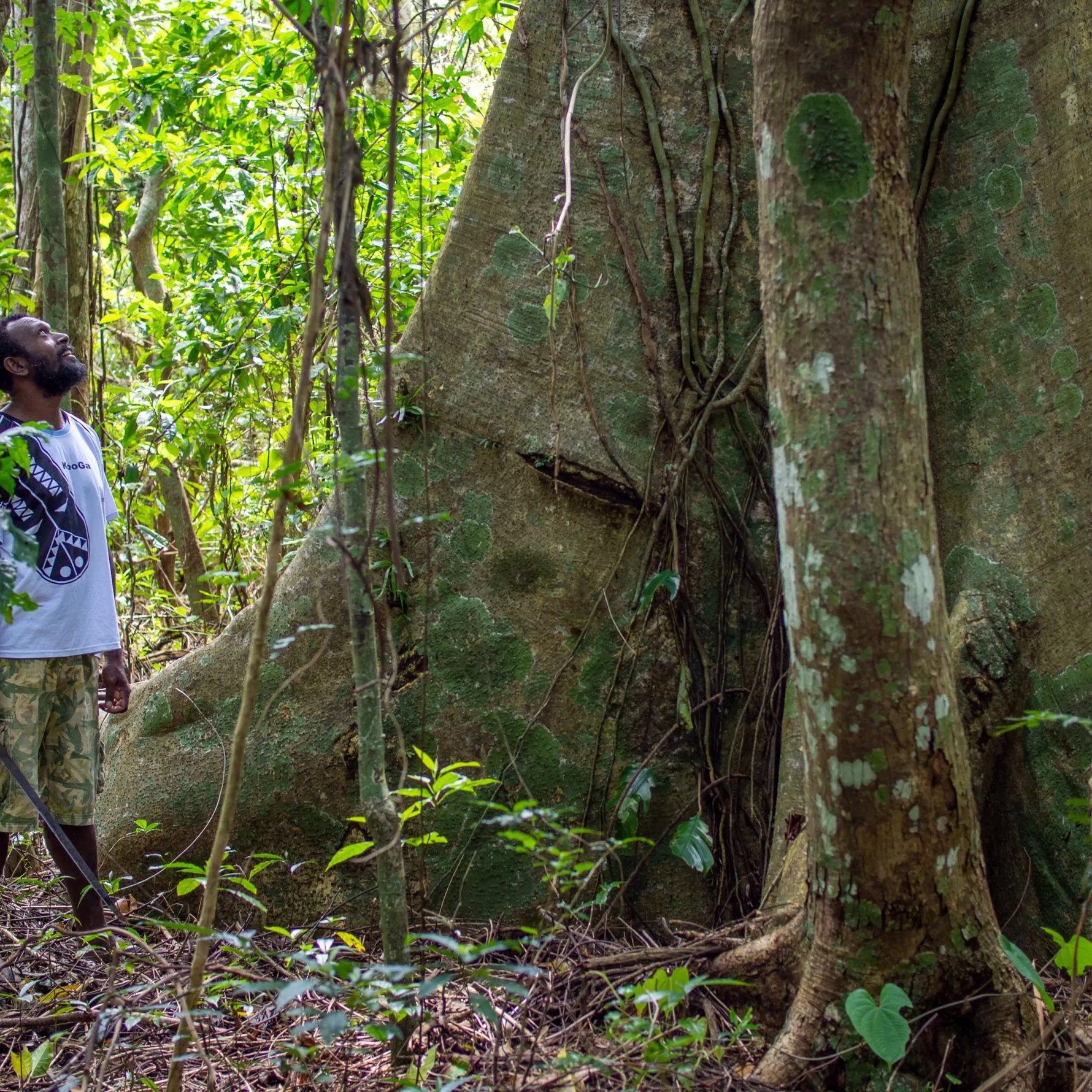
The REDD project protects tropical rainforests and biodiversity.
ZeroMissions' REDD Project
-
Khasi Hills, Meghalaya, India
The Khasi Hills is India’s first community-based REDD+ project and works with about ten Khasi communities to protect and restore cloud forests in one of the world’s most species-rich regions. Learn more.
-
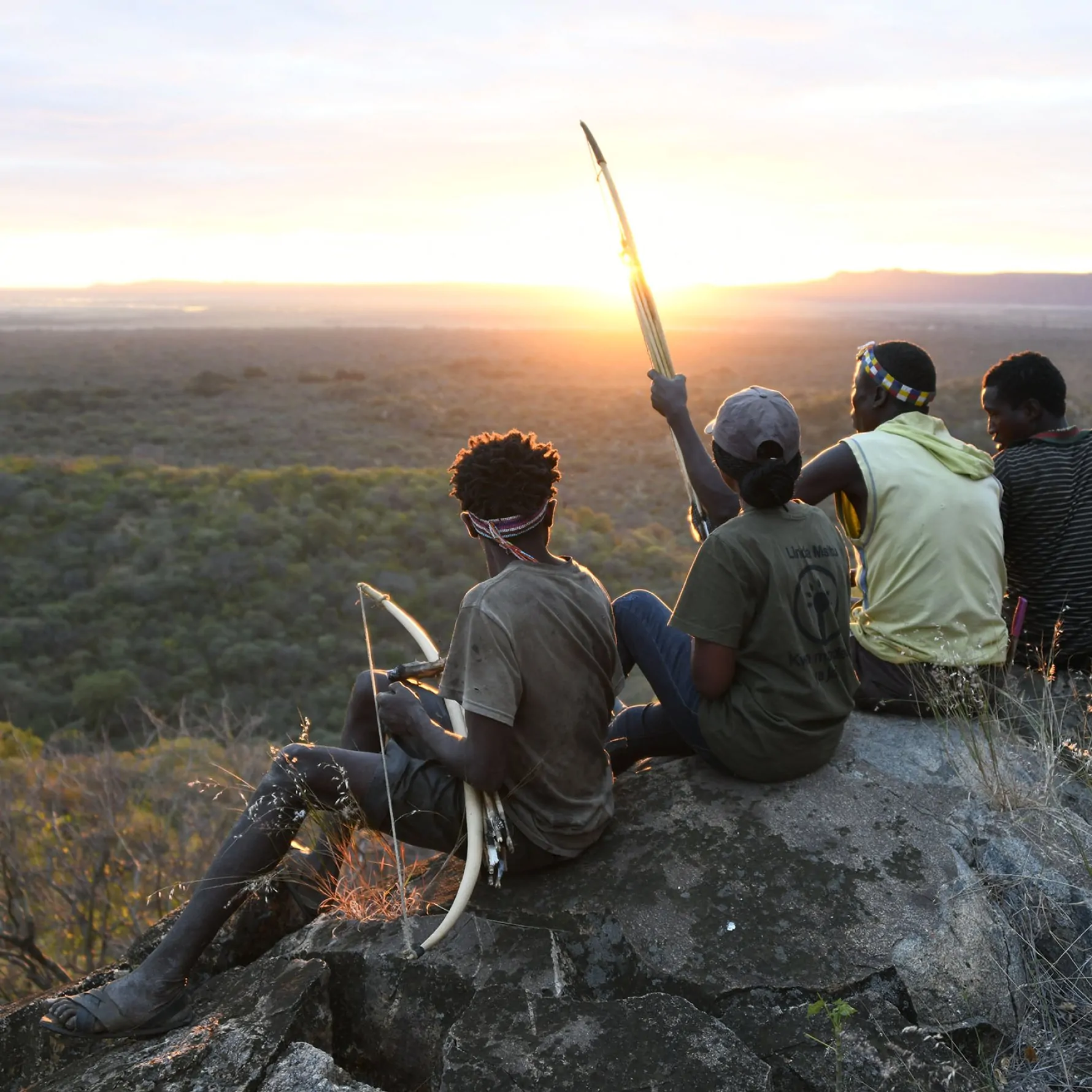
Yaeda-Eyasi, northern Tanzania
Yaeda-Eyasi preserves thousands of hectares of dry forest in collaboration with the Hadza people—one of the world’s last hunter-gatherer communities—and the Datoga, a pastoralist people. The project was awarded the UN Equator Prize in 2019. Read more.
-
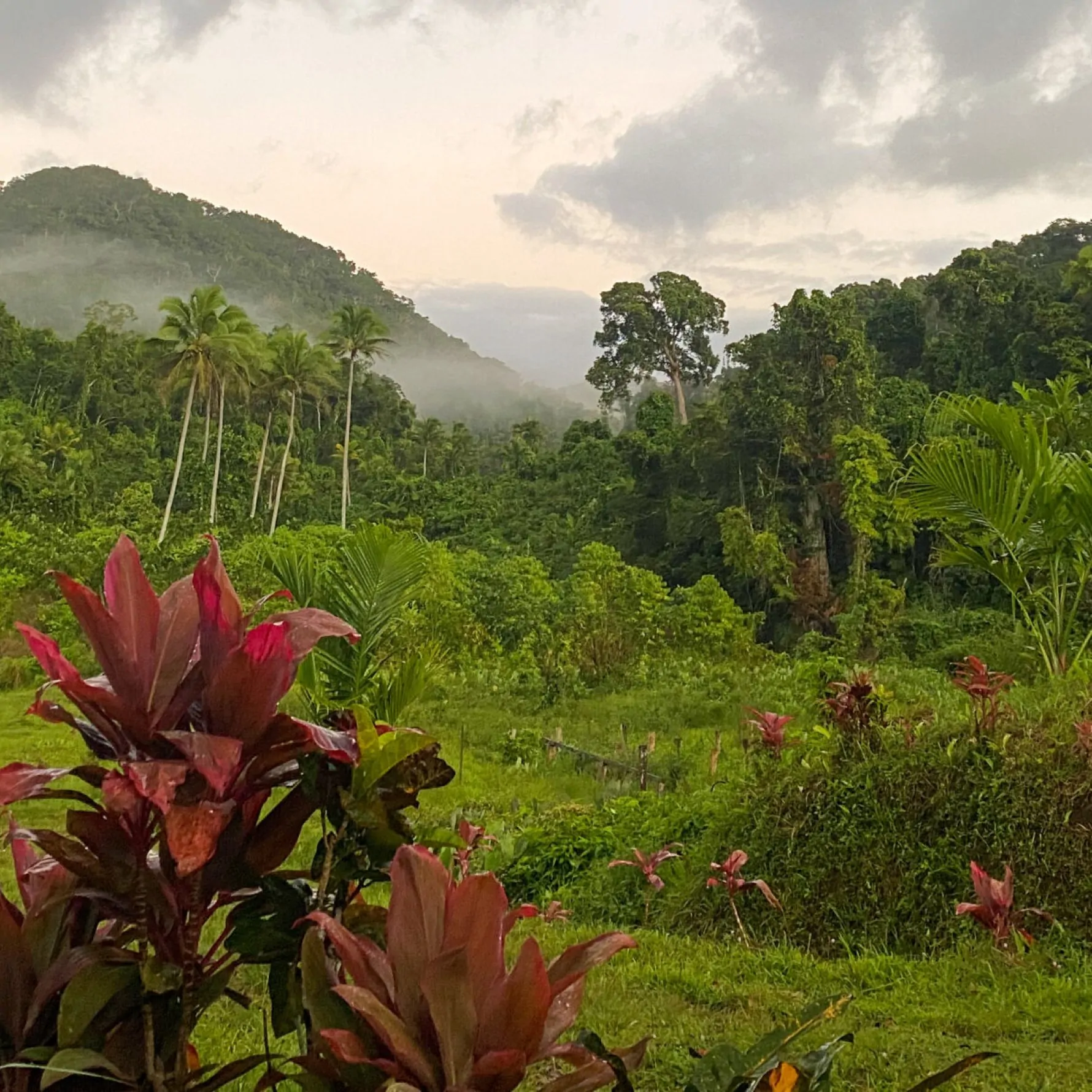
Nakau/Drawa, Vanua Levu, Fiji
Nakau/Drawa allowed eight clans to trade logging rights for forest conservation. The proceeds from the sale of carbon credits help fund clean water and local businesses, among other things, while the forest provides protection against cyclones and floods. Read more.
Supporting well-designed REDD projects is one of the most cost-effective ways to both reduce emissions and strengthen biodiversity.
Frequently Asked Questions About REDD Projects
-
What does REDD stand for?
REDD stands for Reducing Emissions from Deforestation and Forest Degradation—a framework for reducing emissions by preventing deforestation.
-
Are REDD projects different from regular nature conservation?
Yes. REDD projects combine conservation with financing through carbon credits, which, according to research, yields better results for biodiversity than conservation without financing.
-
Which standard certifies ZeroMission's forestry projects?
All are certified according to Plan Vivo, which requires that at least 60 percent of the revenue go directly to the local population.
All of ZeroMissions' forestry projects are certified under Plan Vivo, a standard that requires that at least 60 percent of all project revenue go directly to the local population.
Supporting well-designed REDD projects is one of the most cost-effective ways to both reduce emissions and preserve biodiversity. Would you like to learn more about how you can help? Please contact us.