Negative emissions need to quadruple by 2050—and nature is already delivering today
November 11, 2026
Reducing emissions is the most important thing we can do for the climate. But that’s not enough. To meet the goals of the Paris Agreement, we must also remove carbon dioxide that is already in the atmosphere—what are known as negative emissions (or removals). This isn’t just an opinion; it’s the conclusion reached by virtually all climate research that has examined this issue.
Five Key Points
- Negative emissions are necessary to meet the goals of the Paris Agreement.
- Production must quadruple by 2050.
- Nature accounts for 99.9 percent of the uptake today.
- We need both nature and technology.
- Nature-based solutions must be implemented correctly, and there is enough land.
What are negative emissions?
Negative emissions mean that carbon dioxide is removed from the atmosphere and stored in forests, soil, bedrock, or products. This is also referred to as carbon dioxide uptake, removals, or CDR (carbon dioxide removal).
Every scenario assessed by the UN Intergovernmental Panel on Climate Change (IPCC) as capable of limiting global warming to 1.5 or 2 degrees involves negative emissions. This is necessary for three reasons: to accelerate the decline in emissions over the coming decades, to offset emissions that are difficult to eliminate entirely (from agriculture, aviation, and certain industries), and to eventually reduce the level of carbon dioxide in the atmosphere again.
All signs now point to the world exceeding 1.5 degrees around 2030—hopefully only temporarily. This is the assessment of, among others, the United Nations Environment Programme (UNEP). In that case, it won’t be enough to reach net zero; instead, we must remove more carbon dioxide—through negative emissions—than we emit in order to bring the temperature back down to safe levels. This makes negative emissions more important than ever.
In this article, we want to show just how great the need is, and why nature-based solutions play such a central role right now—and why we need all types of negative emissions, not just one instead of another.
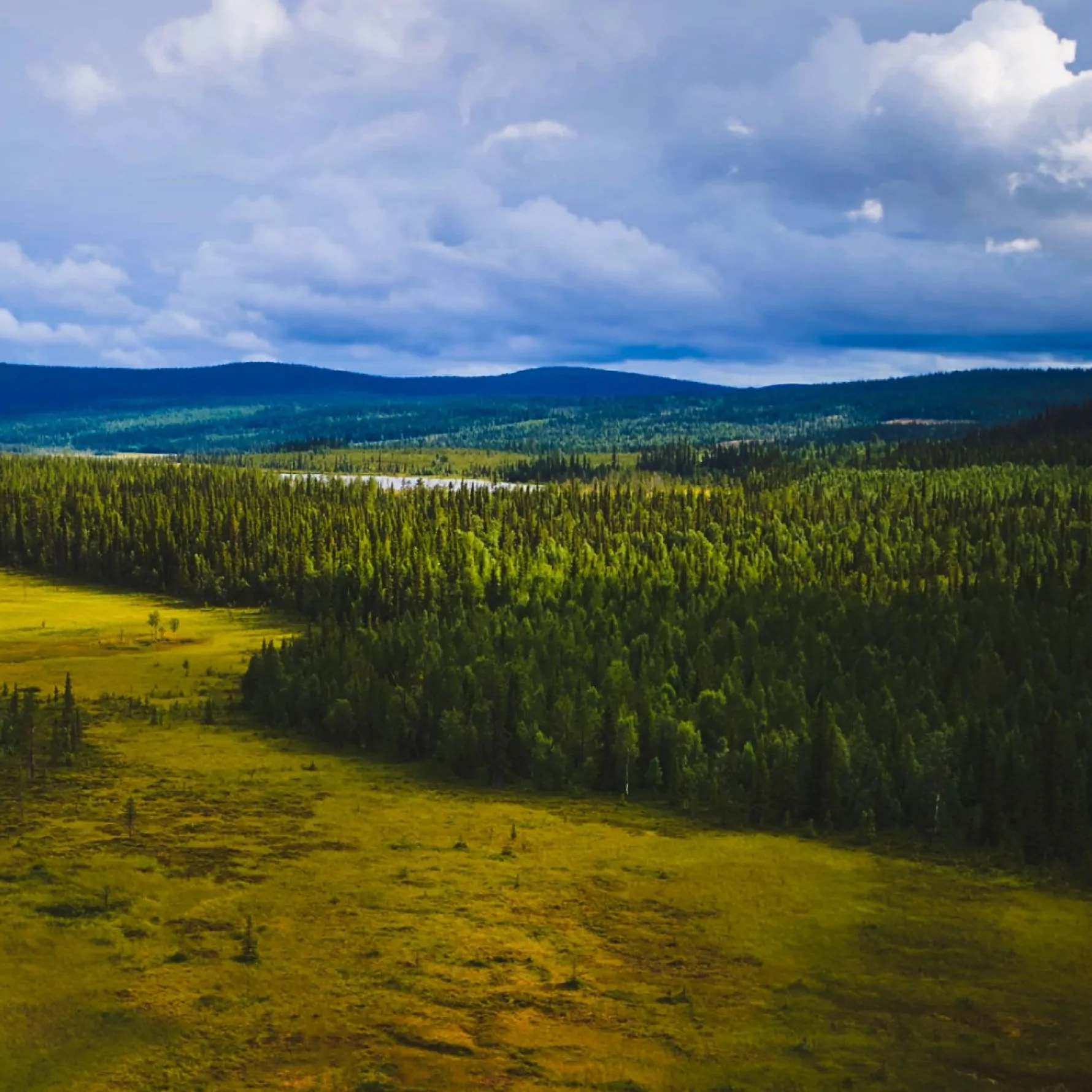
Reforestation is one of the nature-based climate solutions that currently accounts for nearly all negative emissions worldwide.
Need for four times more negative emissions by 2050
The world currently removes approximately 2.2 billion metric tons of carbon dioxide per year. To have a chance of staying within 1.5 degrees, that figure must increase roughly fourfold, to around 8.75 billion metric tons per year by 2050. This is shown in the third edition of *The State of Carbon Dioxide Removal*, written by more than 50 researchers and published in June 2026.
The countries’ own climate plans are not enough. The report compares what the countries have promised with what is needed, and the gap is growing rapidly:
| Year | Commitments by Countries (GtCO2/year) | Gap to 1.5 °C (GtCO2/year) |
|
2030 |
2,5 | 0,3 |
| 2035 |
2,7 |
1,2 |
| 2050 | 3,6 |
5,2 |
However, these figures assume that emissions will decrease rapidly at the same time. According to the report, if significant emissions reductions are postponed by ten years, the world will need to remove at least an additional 150 billion metric tons of carbon dioxide. This is one of the clearest arguments for why negative emissions can never replace emissions reductions and climate transition plans. They depend on them.
The report also makes it clear that carbon sequestration through negative emissions is a limited resource that must be used wisely, and that it should play a lesser role than emissions reductions. But it is needed, and it is needed on a scale we are not yet anywhere near.
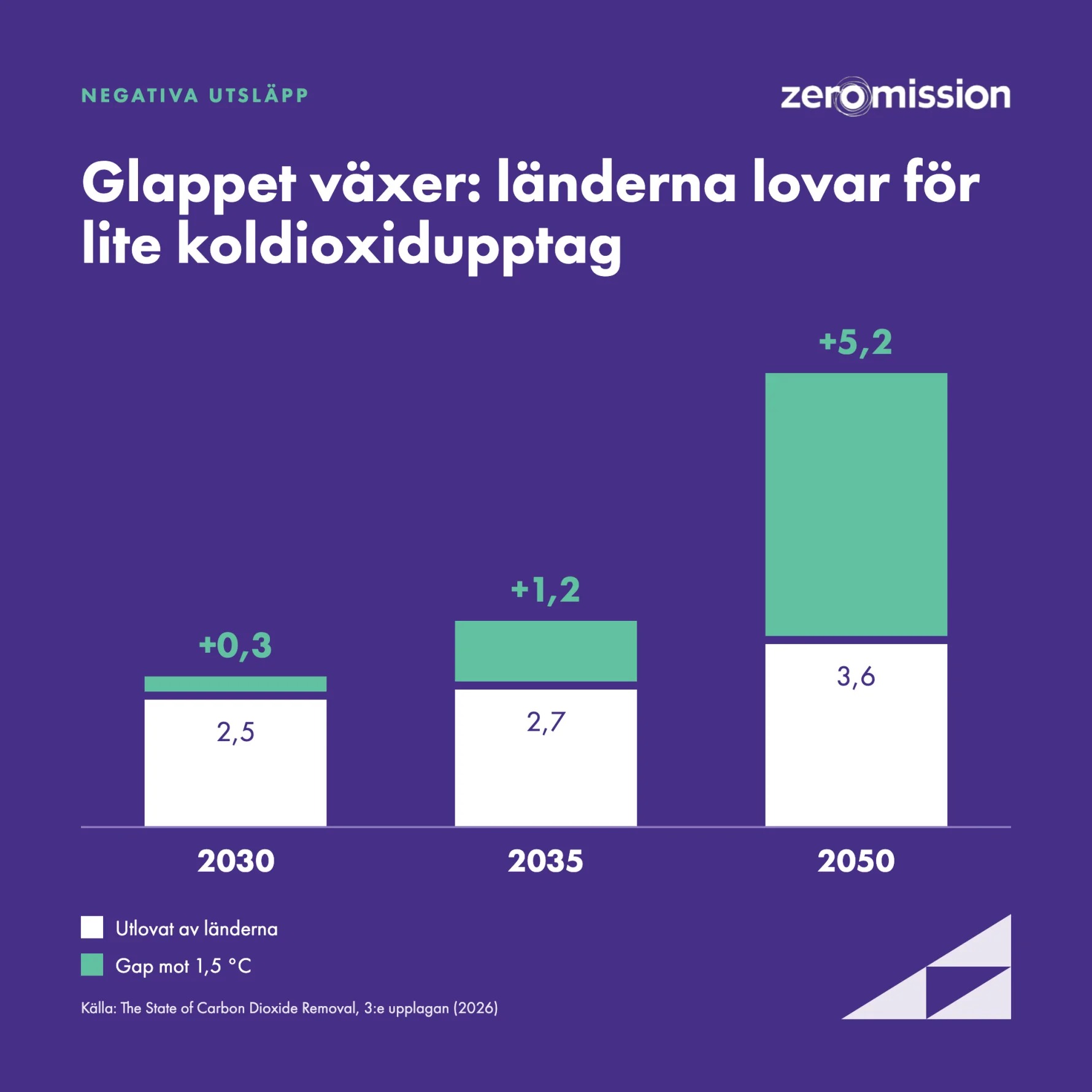
The gap between the countries’ pledged negative emissions and what is required to limit global warming to 1.5 degrees will grow to 5.2 billion metric tons of carbon dioxide per year by 2050. The figures in the graph are given in billions of metric tons of CO₂ per year.
Nature-based negative emissions account for 99.9% of the carbon sequestered today
Almost all carbon sequestration that takes place today comes from nature. According to the State of CDR, nature-based climate solutions such as forests, reforestation, ecosystem restoration, agroforestry and soil carbon account for 99.9 percent of the world’s negative emissions. The new technological methods, such as biochar and BECCS, together remove approximately 2 million metric tons per year, which is one per mille of the total.
Nature-based solutions have three major advantages:
- They already exist on a large scale. The methods are well-proven and can be implemented today—not in twenty years.
- They are inexpensive. The State of CDR reports that the cost of forest-based methods ranges from $5 to $53 per metric ton of carbon dioxide, compared with over $200 per metric ton for the most expensive technological methods.
- They provide more than just carbon. When properly designed, they strengthen biodiversity, water supply, soil health, and local food security.
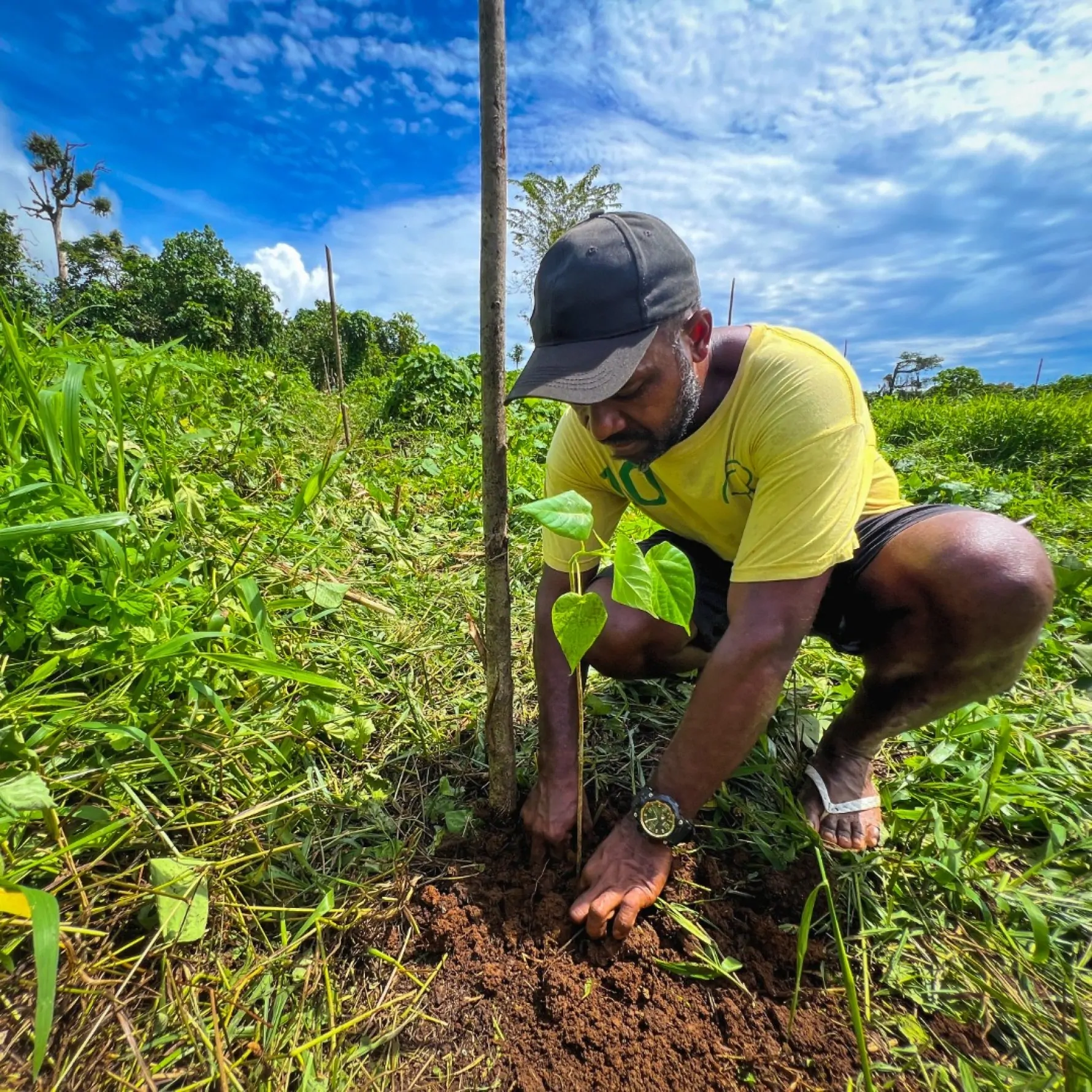
Agroforestry combines tree cultivation with crop farming. It results in negative emissions while also improving soil health, biodiversity, and local food security.
How much of the negative emissions can nature account for?
Several large-scale studies have attempted to answer that question. When comparing the figures, it is important to note that they usually include both removals (e.g., reforestation) and avoided emissions (e.g., deforestation prevention).
- Griscom et al. (2017), in the journal PNAS, concluded that nature-based climate solutions could account for 37 percent of the cost-effective climate benefits needed by 2030 to keep global warming below 2 degrees. The cost-effective potential was estimated at 11.3 billion metric tons of CO2e per year. This share declines over time as other sectors transition: to 20 percent by 2050 and 9 percent by 2100.
- Roe et al. (2019) in *Nature Climate Change* estimated that the land-use sector could contribute approximately 30 percent—or 15 billion metric tons of CO2e per year—of the reduction needed by 2050 to limit global warming to 1.5 degrees. In their roadmap, carbon sequestration increases tenfold between 2030 and 2050.
- "The State of CDR " (first edition, 2023) estimated that carbon sequestration by trees and soil needs to roughly double by 2050, while the scale of technological methods must increase a thousandfold.
The conclusion is the same in all studies: nature can provide a very large part of the solution, but not the whole solution.
Negative Technical Emissions: BECCS, DACCS, and Biochar—Are They Enough?
Negative emissions through technological methods such as BECCS, direct air capture (DACCS), and biochar have a major advantage. They can store carbon for hundreds or thousands of years. It is difficult for forests and soil to guarantee this, since fires, droughts, and pests can release the carbon again. We therefore need both.
The challenge is scale. According to the State of CDR 2026, these new methods are growing by about 40 percent per year. That is on par with the growth of solar energy, but still not enough to meet the Paris Agreement target. In all of the report’s scenarios, these technological methods must reach the billion-metric-ton scale by 2050, up from today’s approximately 2 million metric tons.
Will it work? No one knows at this point. There are signs of progress: investment in CDR companies increased in 2025, and Sweden is one of the few countries with large-scale demonstration projects, such as Stockholm Exergis’s BECCS facility.
That is precisely why it is wrong to pit different types of negative emissions against one another. We cannot wait for the technology to be scaled up, and we cannot bet everything on the assumption that it will not be. Nature-based climate solutions provide carbon removal today while the technology is being scaled up. Technological solutions provide permanent storage and complement nature when it reaches its limits.
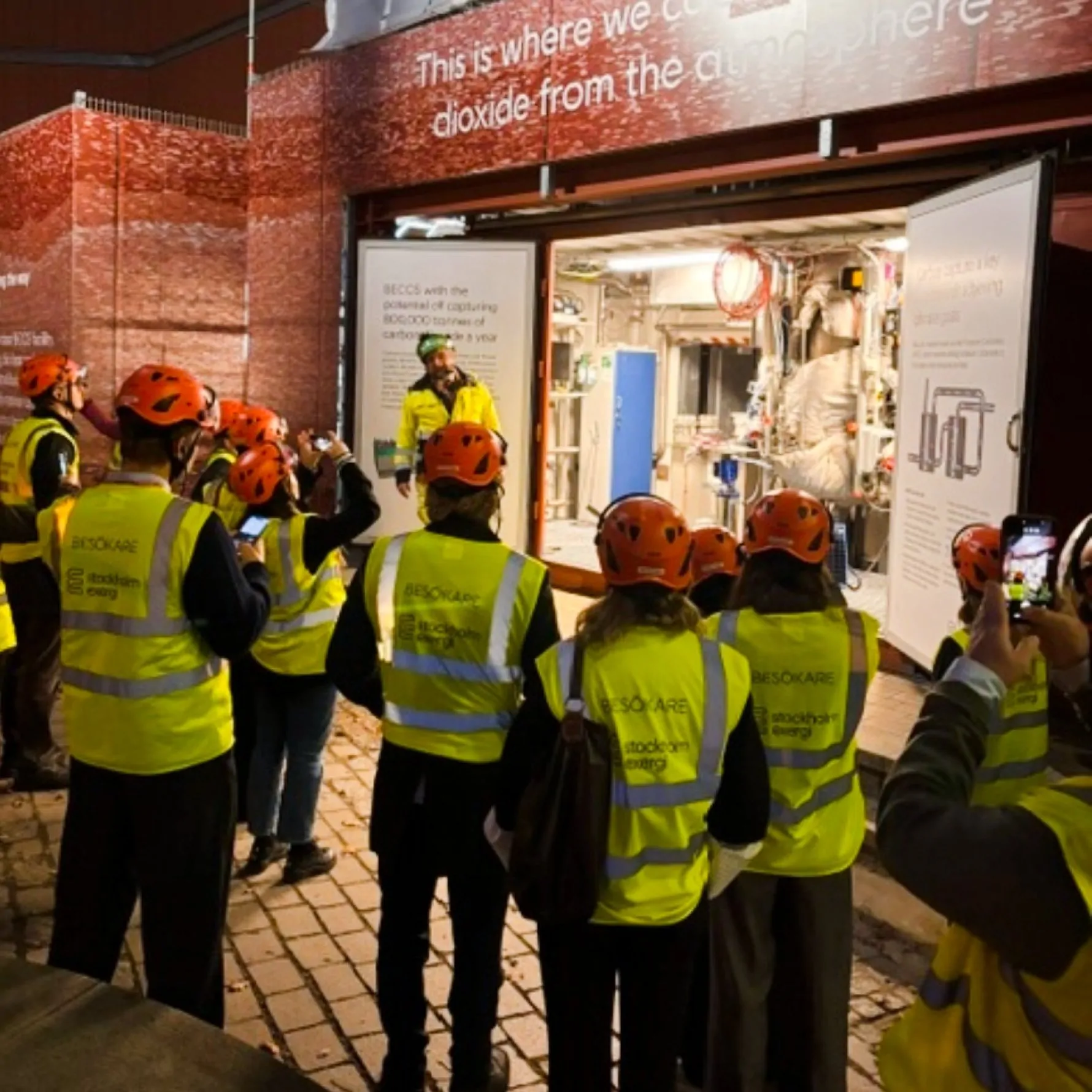
Stockholm Exergis' BECCS facility is one of the few large-scale demonstration projects in the world for negative emissions technology.
How to Get Nature-Based Negative Emissions Right
Just because negative emissions through nature-based climate solutions are needed doesn’t mean that all trees are good trees. Poorly implemented projects can do more harm than good. Monocultures of fast-growing trees can displace natural ecosystems, be more susceptible to fire and drought, and result in low biodiversity. Top-down projects can infringe on the land rights of Indigenous peoples and local communities.
The warnings are evident in the research. The State of CDR report points out that conventional carbon removals can pose risks to biodiversity and food security if implemented poorly. The Land Gap Report (2022) showed that countries’ climate pledges combined would require nearly 1.2 billion hectares of land for carbon sequestration, and highlighted the risks to the rights of Indigenous peoples and the livelihoods of smallholder farmers.
When nature-based climate solutions are implemented correctly, however, they are among the best solutions we have—for the climate, nature, and people. This means, among other things:
- Biodiversity comes first. Native species, natural regeneration, and mixed systems such as agroforestry—not monocultures.
- Local ownership. The projects are designed by and in collaboration with the people who live on and use the land.
- Indigenous peoples and local communities give their consent—not just once, but on an ongoing basis.
- Fair distribution of revenue. A large portion of the money should go to those who do the work on the ground.
- Independent review. Compliance is measured, monitored, and verified by a third party.
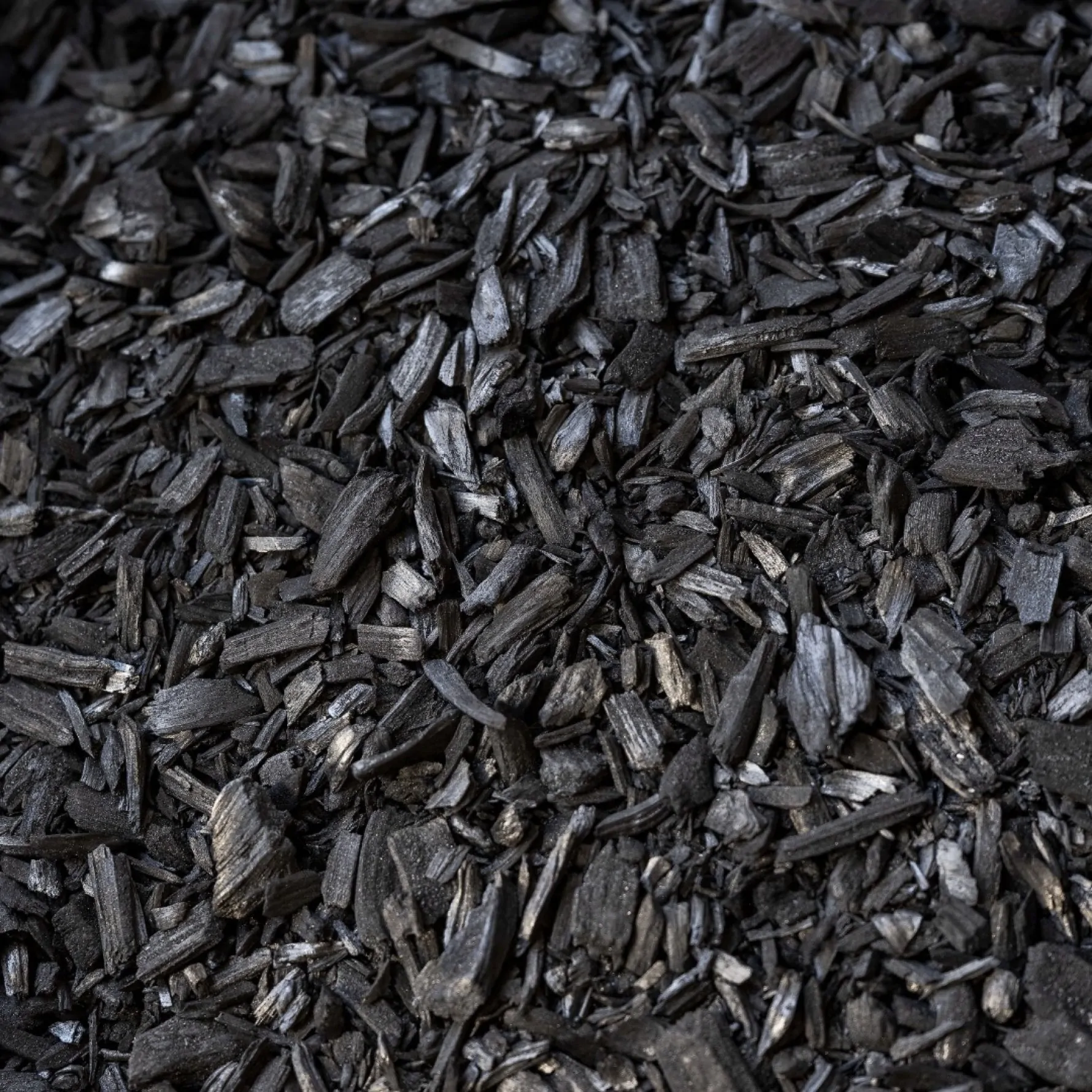
Biochar can store carbon for hundreds of years and is one of the fastest-growing technological methods for carbon dioxide sequestration.
Plan Vivo: How Quality Is Ensured in Nature-Based Climate Projects
That is why we work with projects certified under Plan Vivo, the oldest standard for voluntary climate projects. It emerged from a pilot project in Chiapas, Mexico, in the 1990s and is designed for smallholder farmers and local communities. In Plan Vivo projects:
- Local communities develop their own land-use plans—their “plan vivo”—based on their needs and priorities
- At least 60 percent of the revenue goes to the participating communities and smallholder farmers
- Emphasis is placed on native species and enhanced biodiversity
- The follow-up is carried out in part by the communities themselves, and the projects are reviewed by independent auditors
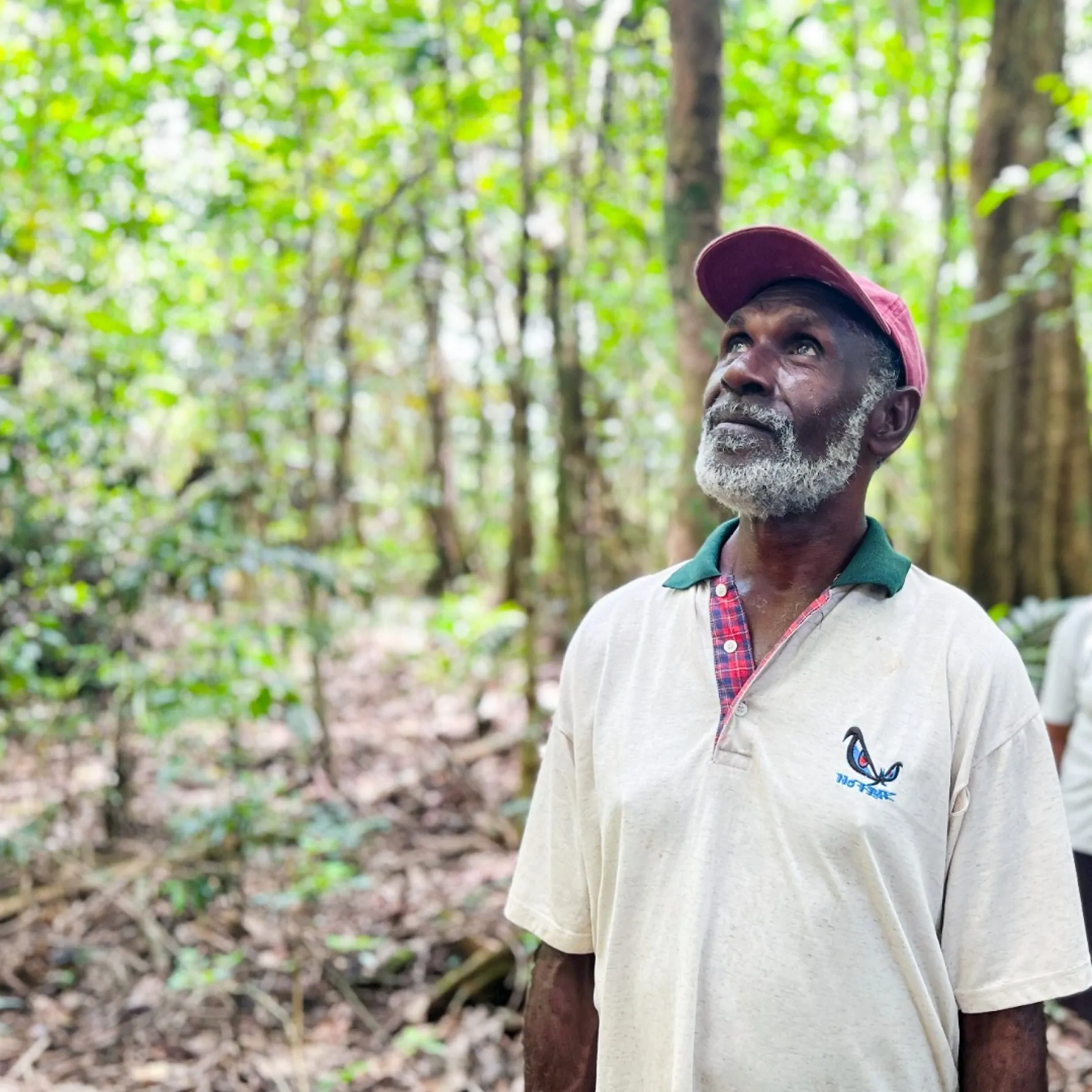
In ZeroMissions' " Plan Vivo" project, at least 60 percent of the revenue goes to the local communities and smallholder farmers who generate the carbon sequestration.
Is there enough land for negative emissions? Yes—if we change what we eat
A common objection to negative emissions achieved through nature-based climate solutions is that we cannot reforest too much, since the land is needed to produce food. This objection is valid if we continue to eat as we do today. But research shows that the problem is not a lack of land, but rather how we use it.
The most comprehensive analysis to date of the food system’s environmental impact is the study by Poore and Nemecek (2018) published in the journal *Science*, based on data from approximately 38,000 farms in 119 countries. It shows that animal-based foods use about 77 percent of the world’s agricultural land but provide only 18 percent of calories and 37 percent of protein. With a global transition to a plant-based diet, agricultural land could be reduced by about 75 percent, from 4.1 to approximately 1 billion hectares. This would free up about 3.1 billion hectares—an area roughly the size of the United States, China, the EU, and Australia combined.
Hayek et al. (2021) in *Nature Sustainability* went a step further and calculated how much carbon the freed-up land could sequester if nature were allowed to recover. A global transition to a plant-based diet by 2050 could result in the sequestration of 332–547 billion metric tons of carbon dioxide. That corresponds to 9–16 years of global fossil fuel emissions. The researchers mapped only areas where natural regeneration can develop into dense, species-rich ecosystems.
Not everyone needs to become vegan to make a difference. Hayek et al. show that even a reduction in meat consumption in line with the EAT-Lancet Commission’s “planetary health diet” would result in significant carbon sequestration. This diet is based on more legumes, nuts, fruits, vegetables, and whole grains, and is designed to be good for both health and the planet.
Two important points to note. The greatest potential lies in high- and middle-income countries, where a reduction in meat consumption has little impact on food security. And in many regions, livestock farming is culturally and economically important to local communities. The dietary shift therefore primarily concerns us in the wealthy parts of the world—and the land freed up should be restored in the same way as all NbS: in collaboration with the people who live there.
So the question isn't food or forests. With a more plant-based diet, , there’s enough land for both.

A more plant-based diet can free up land for natural regeneration and generate negative emissions equivalent to 9–16 years of global fossil fuel emissions.
We need all negative emissions—and it starts now
Climate science is clear: we must reduce emissions as quickly as possible, while simultaneously building up negative emissions on a scale the world has never seen before. There is no reason to pit different types of carbon sinks against one another. We need forests, land, and wetlands. We need BECCS, biochar, and direct carbon capture. And we need a diet that frees up land for nature.
Nature-based climate solutions are what we have right here and now. They account for nearly all carbon sequestration today and can expand as early as this decade.
At ZeroMission , we have over 20 years of experience with various types of negative emissions. Contact us to learn more, or if you’d like to develop a strategy for managing negative emissions through carbon offsetting within your organization.
Sources
- Edwards, M., et al. (2026). The State of Carbon Dioxide Removal – 3rd Edition. doi:10.17605/osf.io/zrd65. org. Summary: Carbon Brief, June 2026.
- Smith, S. M. et al. (2023). The State of Carbon Dioxide Removal – 1st Edition. Smith School, Oxford.
- Griscom, B. W., et al. (2017). Natural climate solutions. PNAS, 114(44), 11645–11650. doi:10.1073/pnas.1710465114.
- Roe, S., et al. (2019). Contribution of the land sector to a 1.5 °C world. *Nature Climate Change*, 9, 817–828. doi:10.1038/s41558-019-0591-9.
- IPCC (2022). Climate Change 2022: Mitigation of Climate Change. Working Group III, Sixth Assessment Report. Chapters 7 and 12. ch.
- Dooley, K., et al. (2022). The Land Gap Report. org.
- Poore, J. & Nemecek, T. (2018). Reducing food’s environmental impacts through producers and consumers. Science, 360, 987–992. doi:10.1126/science.aaq0216.
- Hayek, M. N., Harwatt, H., Ripple, W. J., & Mueller, N. D. (2021). The carbon opportunity cost of animal-sourced food production on land. *Nature Sustainability*, 4(1), 21–24. doi:10.1038/s41893-020-00603-4.
- Ritchie, H. (2021). If the world adopted a plant-based diet, we would reduce global agricultural land use by 75%. Our World in Data.
- Willett, W., et al. (2019). Food in the Anthropocene: the EAT–Lancet Commission on healthy diets from sustainable food systems. The Lancet, 393, 447–492.
- Plan Vivo Foundation. PV Climate – Plan Vivo Carbon Standard v5.0. org.